
IN Brief:
- ABB and Ørsted are piloting AI-based electrical fault prediction at Avedøre Power Station.
- The solution will analyse data already available from protection relays and centralised control systems.
- The pilot is being introduced during a relay replacement programme and will be supported by ABB during its first year.
ABB and Ørsted are piloting an AI-based electrical fault prediction system at Avedøre Power Station in Denmark.
The solution will be installed as part of an ongoing relay replacement programme at the site. It will use operational data from ABB protection relays and a centralised control system to identify subtle changes that may indicate developing electrical faults.
By analysing existing electrical system data, the pilot is intended to give site teams earlier visibility of potential failures and allow maintenance to be prioritised before faults develop into disruptive outages. ABB will support Ørsted throughout the first year of operation so that the outputs can be assessed against live plant conditions.
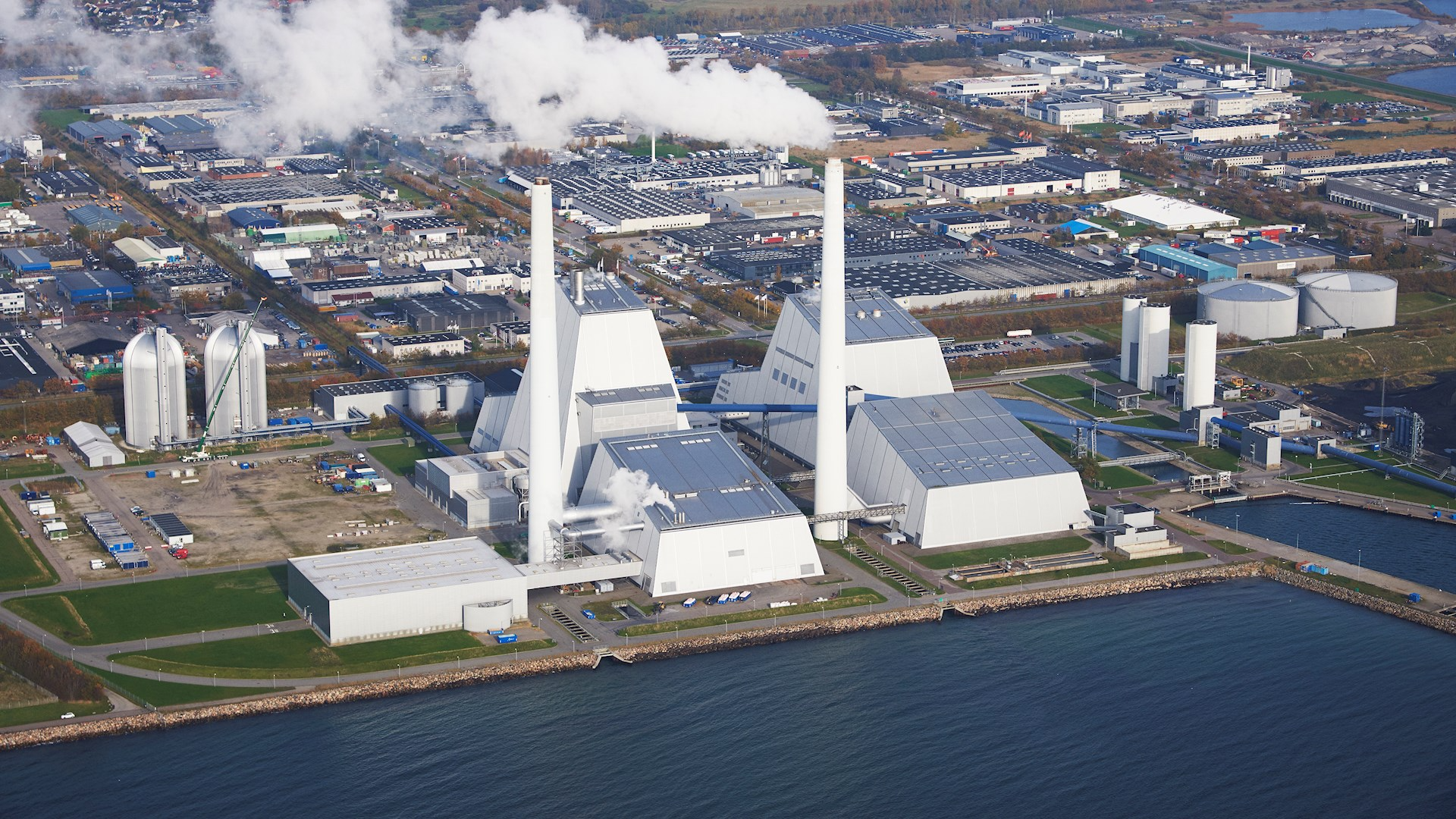
Avedøre Power Station is a major energy asset for Greater Copenhagen, supplying electricity and district heating while contributing to wider grid stability. The plant has moved from coal to primarily sustainably sourced biomass, with carbon capture development also under way at the site.
The station supplies heat to more than 215,000 homes and produces electricity equivalent to the consumption of more than 600,000 households. Electrical reliability at that scale is a system concern as well as a maintenance function.
AI-based fault prediction forms part of a broader move from scheduled inspection towards condition-led operation. Electrical faults often develop through incremental changes in operating behaviour before a visible failure occurs. Protection, control, and monitoring systems already generate large volumes of data, but much of that information has traditionally been used for immediate operation, post-event analysis, or compliance rather than predictive maintenance.
ABB’s approach uses existing plant data instead of adding a separate sensor layer at the start of the pilot. That can reduce installation complexity and make the system easier to integrate with live operations. Its value will depend on how accurately it distinguishes early fault signatures from normal variation, transient events, and operational noise.
The project sits within a wider industry focus on power quality, reliability, and electrical resilience. Growing concern over voltage instability in data centres, industrial sites, and critical infrastructure shows how increasingly electrified assets are becoming more exposed to power-system disturbances and local electrical conditions.
Power stations, substations, industrial plants, and large energy users are all facing a similar maintenance problem. Assets are being asked to operate more flexibly, often with higher availability expectations and tighter operational margins. At the same time, skilled electrical maintenance capacity is under pressure across many markets.
Predictive systems do not remove engineering judgement. They create an additional decision layer that can help maintenance teams decide where to investigate first, when to intervene, and whether a developing condition can be monitored safely until a planned outage.
The Avedøre pilot applies that approach to critical energy infrastructure using operational electrical data already generated by the plant. If the system identifies actionable fault signatures early enough to avoid unplanned downtime, the case for wider deployment across similar electrical assets becomes stronger.
Grid automation is moving beyond remote operation and into diagnosis. Protection relays, control systems, digital substations, and AI analytics are beginning to converge into maintenance platforms that can detect risk earlier. For plant operators, the determining factor will be whether those platforms produce trusted, explainable, and timely signals in the environments where reliability is most exposed.

