IN Brief:
- Kosovo's Ministry of Economy has formally selected Akuo Energy's 98 MW bid.
- The award follows the opening of financial offers on 9 November.
- A second wind auction targeting up to 200 MW is being prepared with IFC support.
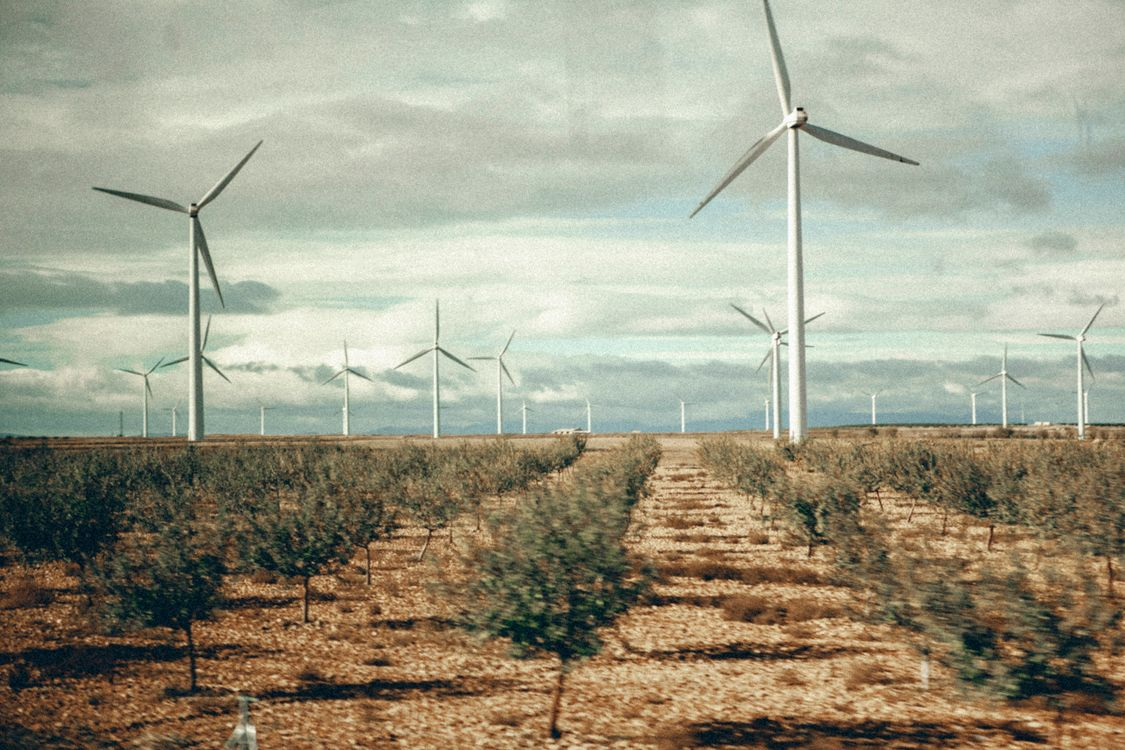
Akuo Energy has won Kosovo’s first competitive wind energy auction, with the Ministry of Economy confirming the French renewable energy developer’s 98 MW offer at an electricity price of €75.94/MWh.
The selection on 26 November follows the opening of financial offers on 9 November, when Akuo emerged as the lowest-priced bidder. The completed procurement process targeted between 50 MW and 100 MW of new wind generation, with a 15-year support scheme forming the commercial basis for the winning development.
Three qualified bidders submitted offers following the conclusion of the bid submission phase in September. The International Finance Corporation (IFC), part of the World Bank Group, acted as transaction adviser, with support from the governments of Germany and Luxembourg, the latter through the development agency LuxDev.
The formal selection establishes the winning offer after the financial bidding stage. The ministry has not disclosed the detailed construction timetable or turbine configuration, and confirmation of the auction result does not establish that the generating project has reached financial close or that construction has begun.
Kosovo has already begun preparing a second wind energy auction, targeting up to 200 MW, with further assistance from the IFC. If awarded in full, the second procurement would approximately double the capacity selected through the first round.
The competitive procurement programme is intended to diversify Kosovo’s electricity generation portfolio, which has historically depended heavily on lignite-fired power stations. Ageing generating equipment and the requirement to maintain adequate electricity availability create substantial investment needs across the country’s power sector.
Wind generation can reduce the volume of electricity required from thermal plants during periods of favourable wind conditions without introducing a corresponding fuel purchasing requirement for the renewable generating facility. Its contribution to system operation will vary with wind availability and the capacity of electricity networks to accommodate output.
The winning offer’s 98 MW rating specifies generating power rather than a guaranteed continuous supply of electricity. Establishing expected annual energy production will require assessment of the wind resource at the selected site, the characteristics of the turbines, and the losses and restrictions anticipated during operation.
The procurement price provides the developer with a basis for assessing projected electricity revenues over the support period. Project expenditure must include the turbines, foundations, construction infrastructure, electrical collection systems, substation equipment, and any necessary connection-related works.
The relationship between the offered electricity price and actual project revenues will depend on the contractual settlement terms, electricity generation, and any restrictions imposed on the facility’s operation. The published bid price cannot therefore be treated as the complete cost of integrating the generating capacity into Kosovo’s wider electricity system.
Connecting additional wind capacity requires the relevant network operator to establish that the proposed installation can operate within electricity system limits. The generating plant must be capable of responding appropriately to changes in network conditions, including variations in voltage and frequency.
The wind farm’s collection network and substation must also be designed around the combined electrical output of its turbines. Equipment selection will depend on the final turbine arrangement, the voltage at the connection point, and the technical conditions imposed by the receiving electricity network.
As a relatively small power market within the wider continental European synchronous area, Kosovo can use cross-border electricity exchanges to help balance generation and demand. The availability of those exchanges depends on transmission capacity and operating conditions elsewhere in the region, particularly when several interconnected countries experience similar changes in renewable generation or electricity consumption.
Increasing the share of wind generation consequently creates requirements for improved forecasting, coordination of generation dispatch, and access to flexible resources that can respond to fluctuations in output. The amount of flexibility required will depend on the characteristics of the developing generation portfolio rather than on the installed capacity of Akuo’s project alone.
A second competitive procurement round would provide equipment suppliers, construction businesses, and electricity network operators with greater visibility of prospective projects. The consistency of the auction framework and subsequent connection arrangements will influence the extent to which engineering capabilities developed during the first project can be applied to later installations.
Kosovo’s Ministry of Economy has now concluded the first auction and named Akuo as the successful developer. Detailed engineering, financing, equipment procurement, and the establishment of the project’s delivery programme remain ahead of the construction and commissioning phases. Preparations for the separate 200 MW auction are continuing alongside those activities.