IN Brief:
- ADB financing comprises a $19.55 million concessional loan and a $450,000 grant, with $2.02 million provided by the Kyrgyz government.
- The installation incorporates approximately 18 MWp of photovoltaic capacity and is expected to generate 20 GWh annually.
- The project builds on an existing 100 kW floating solar pilot commissioned in March 2024.
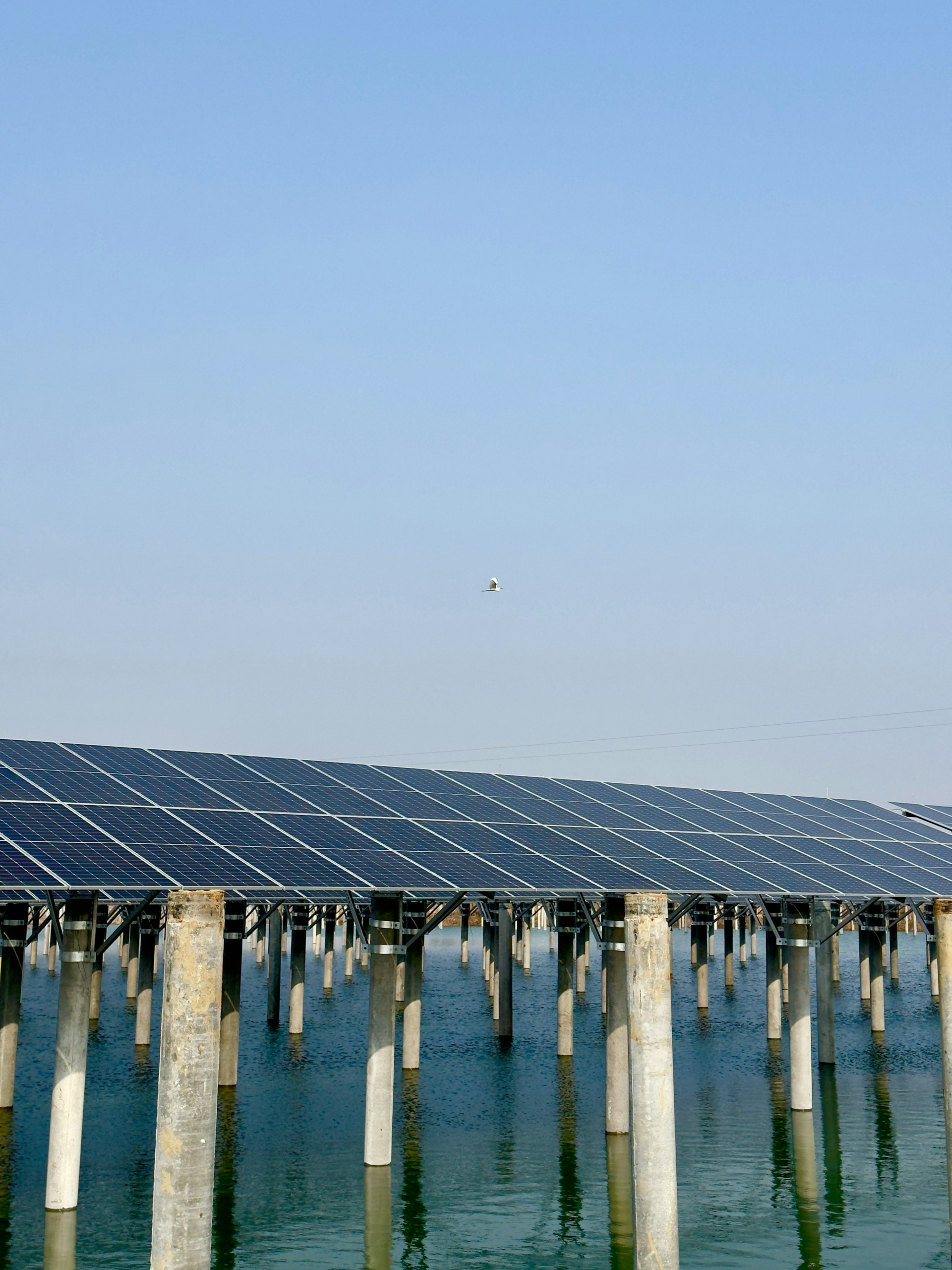
The Asian Development Bank (ADB) has approved $20 million of financing for Kyrgyzstan’s first utility-scale floating photovoltaic power station, supporting the construction of a 15 MW generating installation at an existing hydropower reservoir near Bishkek. The development will incorporate upgrades to electricity network infrastructure and establish technical capabilities intended to support further floating solar projects.
The installation will be developed at Hydropower Plant 5, operated by Chakan HPP, approximately ten kilometres north-east of the Kyrgyz capital. The ADB’s contribution comprises a $19.55 million concessional loan and a $450,000 grant from the Asian Development Fund. Kyrgyzstan’s government will provide a further $2.02 million, bringing the combined financing package to $22.02 million.
Project documentation identifies approximately 18 MWp of photovoltaic generating capacity alongside a 15 MW alternating current output rating. The installation is expected to generate approximately 20 GWh of electricity annually, which will be supplied through the existing electricity network infrastructure following the associated grid improvements.
The investment builds on experience obtained through a 100 kW floating photovoltaic installation commissioned at the same location on 1 March 2024. Kyrgyzstan’s Ministry of Energy reported that the pilot generated 141,100 kWh during 2025 and a further 132,500 kWh during the first ten months of 2026.
The larger installation represents a 150-fold increase in nominal generating capacity compared with that pilot. While the earlier project has established experience of floating photovoltaic equipment at the reservoir, the proposed development will introduce considerably greater electrical capacity, equipment quantities, and requirements for integration with the existing generating site.
Floating photovoltaic installations differ from conventional ground-mounted solar farms because their supporting structures must accommodate movement of the water surface and changes in reservoir levels. Wind conditions, mechanical loading, and the characteristics of the proposed location influence the design of the floating structures and associated mooring arrangements. Scaling up an installation requires these factors to be considered across a substantially larger generating area.
Electrical infrastructure must also accommodate movement between equipment installed on the water and fixed infrastructure on land. Cable assemblies, connectors, and protective equipment require configurations suitable for the environmental conditions and mechanical loading to which they will be exposed. Maintenance access differs from that available at conventional ground-mounted installations, creating additional considerations when specifying equipment and planning operational activities.
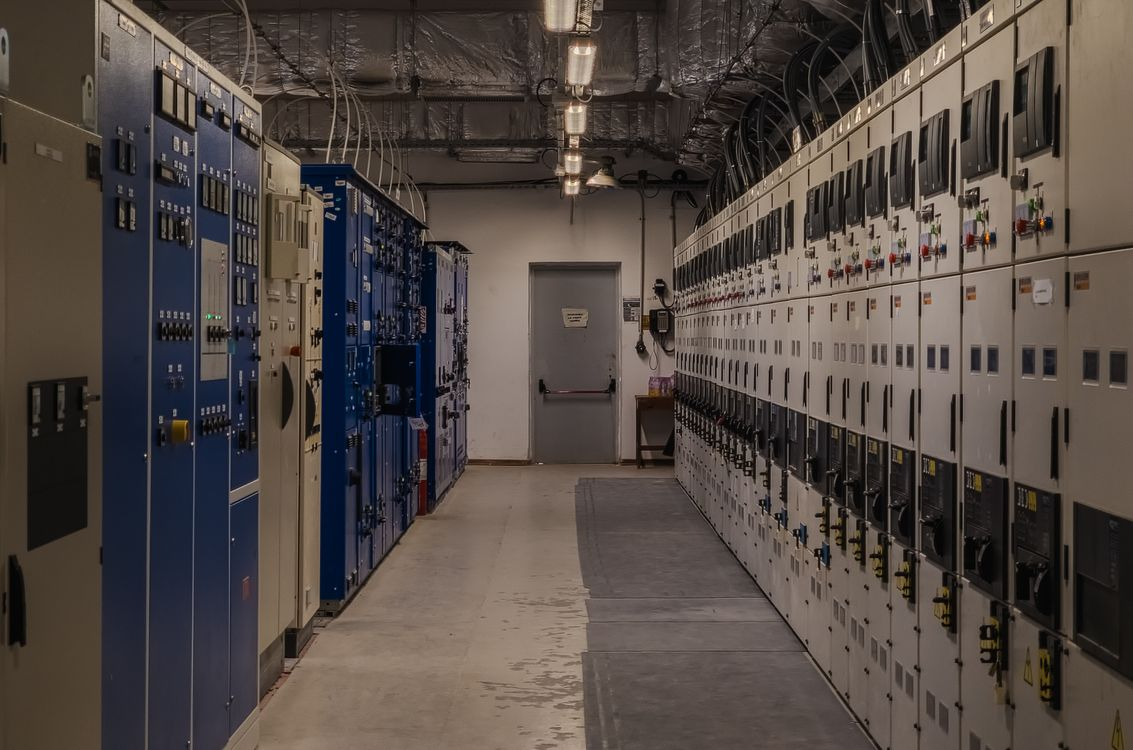
The location at an existing hydroelectric facility provides opportunities to retain elements of established electricity infrastructure. The extent to which transformers, switchgear, collection circuits, and network connections can accommodate additional generation depends on their ratings and the operating requirements of the existing power station. The grid improvements included in the ADB programme will support the integration of the additional generating capacity.
Kyrgyzstan has historically relied heavily on hydropower, leaving its electricity production sensitive to variations in water availability. Adding photovoltaic capacity introduces a generating technology whose output follows a different resource profile. Where the operation of hydroelectric equipment and associated reservoirs permits, solar electricity can complement hydroelectric production and reduce the amount of water required for generation during daylight hours.
Chakan is also pursuing a separate renewable electricity investment supported by the European Bank for Reconstruction and Development. That project involves a 20 MW photovoltaic power station, 6 MWh of battery storage, and transmission infrastructure associated with the Alamedin hydropower cascade. The EBRD has identified sovereign financing of up to €11 million for the development.
The two investments represent different approaches to introducing additional renewable generation alongside existing hydroelectric assets. The ADB-backed floating installation makes use of reservoir surface area, while the separate EBRD project incorporates battery storage and dedicated electricity infrastructure. Neither financing package should be interpreted as establishing the operating capacity of the other development.
Alongside construction, the ADB programme will support Chakan’s ability to develop, operate, and maintain floating photovoltaic installations. Establishing procurement specifications, engineering expertise, equipment maintenance arrangements, and operational experience will be important when assessing whether the technology can be deployed at other suitable reservoirs.
The bank also intends to share the resulting experience with developing member countries across Central and West Asia. The project provides an opportunity to assess the commercial and technical characteristics of larger floating photovoltaic installations in a region where existing hydropower infrastructure and competing requirements for agricultural or urban land can influence renewable development decisions.
Approval of the financing package establishes the investment framework for progressing the 15 MW development through procurement and construction. Its eventual operation will provide additional domestic generating capacity while establishing a larger operational reference for floating photovoltaic technology within Kyrgyzstan’s electricity system.