IN Brief:
- Searenergy Poland has secured a commissioning services contract for the Bałtyk 2 and Bałtyk 3 offshore wind developments.
- The scope includes offshore substation hook-up, commissioning personnel, engineering and procurement support, and corrective maintenance on transition pieces.
- The projects have a combined planned capacity of 1.44 GW, with first electricity targeted for 2027 and full commercial operation in 2028.
Searenergy Poland has secured a contract covering offshore substation hook-up and commissioning support for the Bałtyk 2 and Bałtyk 3 wind farms, which Equinor and Polenergia are developing in the Polish Baltic Sea.
The contract includes commissioning work on the projects’ two offshore substations, personnel and engineering support for turbine commissioning, onsite procurement services, and corrective maintenance of transition pieces before turbine installation.
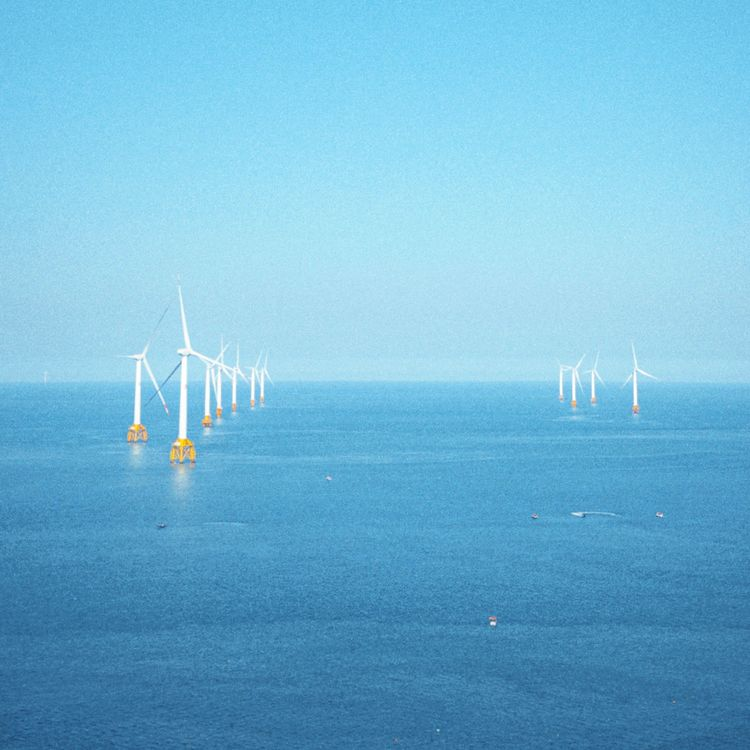
Bałtyk 2 and Bałtyk 3 have a combined planned generating capacity of 1.44 GW and will comprise 100 offshore wind turbines. Both developments are targeting first electricity in 2027, with full commercial operation planned for 2028.
The agreement advances specialist commissioning preparations while construction continues across the two projects. Searenergy will provide services associated with integrating installed equipment and preparing it for operation, rather than assuming responsibility for every construction and commissioning activity undertaken by the developers and their suppliers.
The contract was reported on 18 November, following substantial progress on the projects’ foundations and electrical infrastructure. All 100 turbine foundations and the support structures for the offshore substations had been installed by September, with cable work and further offshore construction continuing.
Offshore substation hook-up involves completing the electrical, control, and auxiliary connections necessary to integrate equipment that has been manufactured and installed in separate stages. Commissioning subsequently establishes that the connected systems operate as specified before they are permitted to enter service.
Each substation receives electricity from the wind farm’s turbine collection circuits and transfers it into the export infrastructure. Transformers, switchgear, protection equipment, monitoring systems, and auxiliary services must operate together to provide a controlled electrical connection between the generating plant and the wider transmission system.
The commissioning process requires a sequence of inspections, tests, and functional checks. Electrical equipment must be examined for correct installation and connection, while protection arrangements need to demonstrate that faults can be detected and isolated according to the approved operating design.
Control systems must also communicate correctly with the equipment they supervise. Switching devices, monitoring systems, and auxiliary plant need to respond to the appropriate operating commands, with testing establishing that the installation can be managed safely during normal operation and abnormal conditions.
These activities take place after individual components have passed manufacturing and installation inspections. Factory testing can demonstrate that equipment satisfies specified requirements before delivery, but the completed offshore installation must still be checked after transport, assembly, and connection to other systems.
Electrical interfaces are particularly demanding where equipment from several manufacturers forms part of a single installation. Protection settings, control signals, switching arrangements, and operating limits must remain compatible across the assembled system.
The Bałtyk projects use 66 kV inter-array cable networks to collect electricity from the turbines and transfer it to the offshore substations. Termination and testing work on these circuits forms a separate specialist package being undertaken by SPIE Wind Connect under contract to Seaway7.
Cable termination involves preparing and connecting the cable conductors, insulation, and associated accessories so that the completed circuit can operate at its specified voltage. Subsequent testing provides evidence of the installation’s electrical condition before energisation.
Commissioning an offshore substation depends on the readiness of these connected circuits, although particular tests can be completed before the whole wind farm is available. Equipment may be mechanically complete but unable to support electricity export until the required cable connections and associated protection systems have been verified.
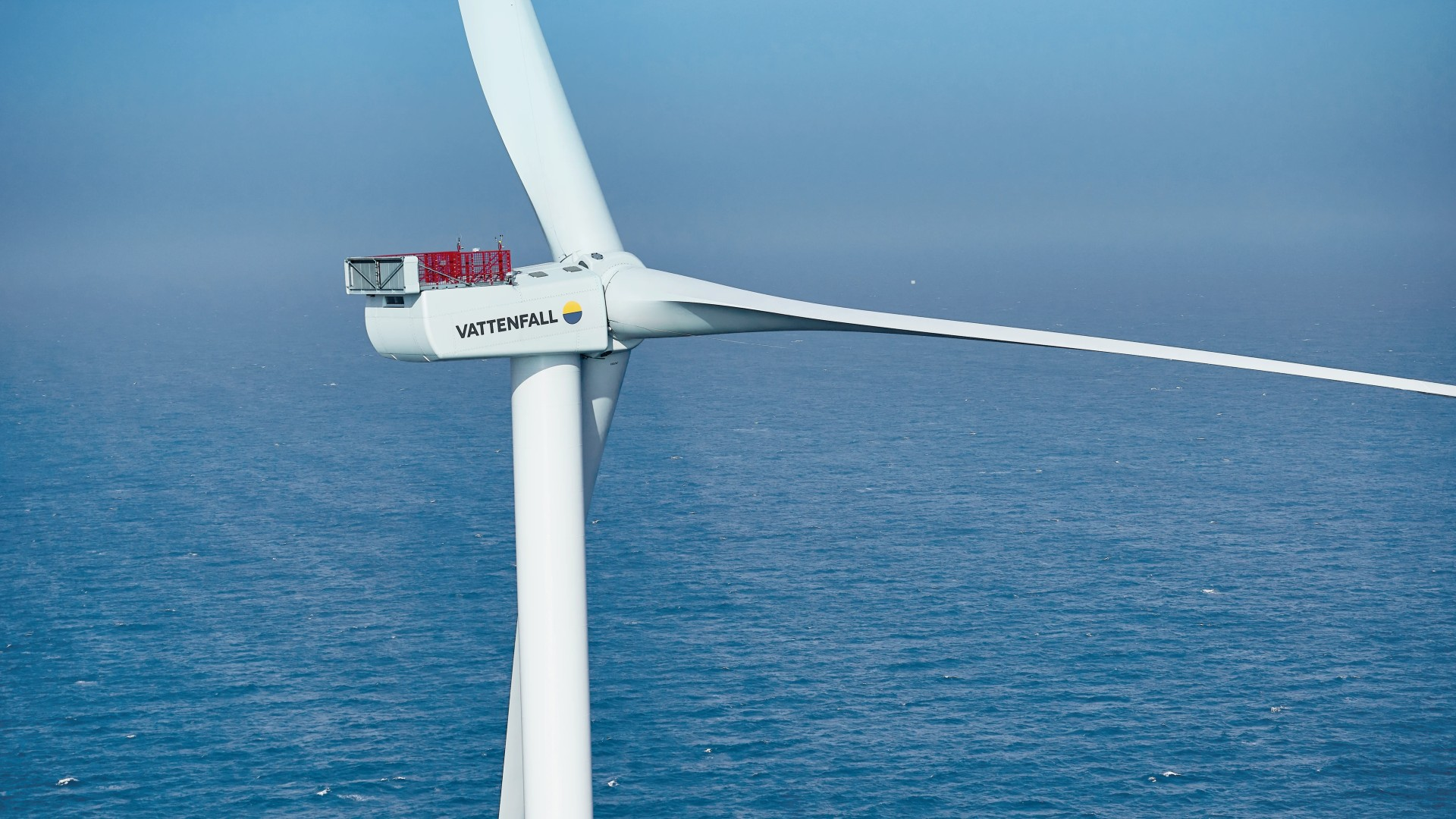
The two projects will use Siemens Gamesa SG 14-236 DD offshore wind turbines. Their combined installation programme requires the generating units to be connected, tested, and coordinated through the wind farm’s electrical collection and control systems.
Turbine commissioning support includes work associated with the electrical and operational readiness of individual generating units. Testing must establish that the turbine’s installed systems operate correctly and that the machine can be integrated into the wider wind farm under the required conditions.
The commissioning sequence is influenced by construction progress elsewhere in the project. A completed turbine cannot begin exporting electricity if the associated collection circuit, offshore substation, or transmission connection remains unavailable.
Searenergy’s additional responsibilities include corrective maintenance on transition pieces from the developers’ operations and maintenance base at Łeba. Transition pieces connect the installed monopile foundations with the turbine towers and incorporate important structural and access interfaces.
Maintenance before turbine installation can address identified defects or incomplete work on these structures. Their condition must be suitable for the subsequent lifting and assembly operations, with the required dimensional and mechanical interfaces available for the turbine installation programme.
The contract does not establish that every transition piece requires substantial repair. Corrective maintenance concerns work identified through inspection and project requirements, and its extent will depend on the condition of the components and the tasks assigned to the contractor.
Łeba is being developed as an operations and maintenance base for the two wind farms. The facility provides a local location for personnel and supporting activities, reducing reliance on more distant ports as the programme progresses through construction and towards operation.
Other suppliers remain responsible for major elements of the development. Heerema Marine Contractors completed the turbine foundation installation campaign, while separate contractors are progressing cable installation, turbine installation preparations, and electrical connections.
The offshore substations are also progressing through their installation sequence. The Bałtyk 2 topside is expected to be installed during the winter construction period, with the Bałtyk 3 topside installation planned for summer 2027. Those schedules will influence the subsequent integration and commissioning work.
Once a topside has been installed on its support structure, the electrical and auxiliary systems can be progressively connected and tested. The sequence must account for the availability of personnel, vessels, equipment, and the connected electrical infrastructure.
Offshore working conditions can restrict the periods during which installation and maintenance activities are practical. Specialist vessel access, personnel transfers, lifting operations, and the handling of electrical equipment all require suitable conditions and coordination with other contractors working in the same area.
Onshore electrical infrastructure is progressing alongside the offshore programme. The projects require cable landfalls, onshore substations, and connections to the Polish transmission system before their generated electricity can be delivered into the national network.
Construction of those facilities must be coordinated with the offshore installation sequence. Even after generating equipment has been tested individually, operation at the intended capacity depends on the readiness of the entire connected electrical system.
Bałtyk 2 and Bałtyk 3 are among Poland’s first large offshore wind developments. Their combined 1.44 GW capacity represents a substantial addition to the country’s planned generating infrastructure, although the equipment must still complete installation and commissioning before that capacity becomes operational.
Searenergy’s award adds commissioning and engineering resources to the remaining construction programme. The next stages include installation of the offshore substation topsides, completion of electrical connections, and progressive testing of the generating and transmission equipment ahead of first electricity in 2027.