IN Brief:
- Vattenfall and Copenhagen Infrastructure Partners have selected Siemens Gamesa to supply turbines for Zeevonk Phase I.
- The 69 SG 15-236 machines have a combined nominal rating of 1,035 MW, with individual Power Boost capability of up to 15.5 MW.
- The selection establishes the principal generating equipment specification while the developers progress towards a final investment decision.
Siemens Gamesa has been selected to supply 69 offshore wind turbines for Zeevonk Phase I, a Dutch North Sea development being advanced by Vattenfall and Copenhagen Infrastructure Partners (CIP).
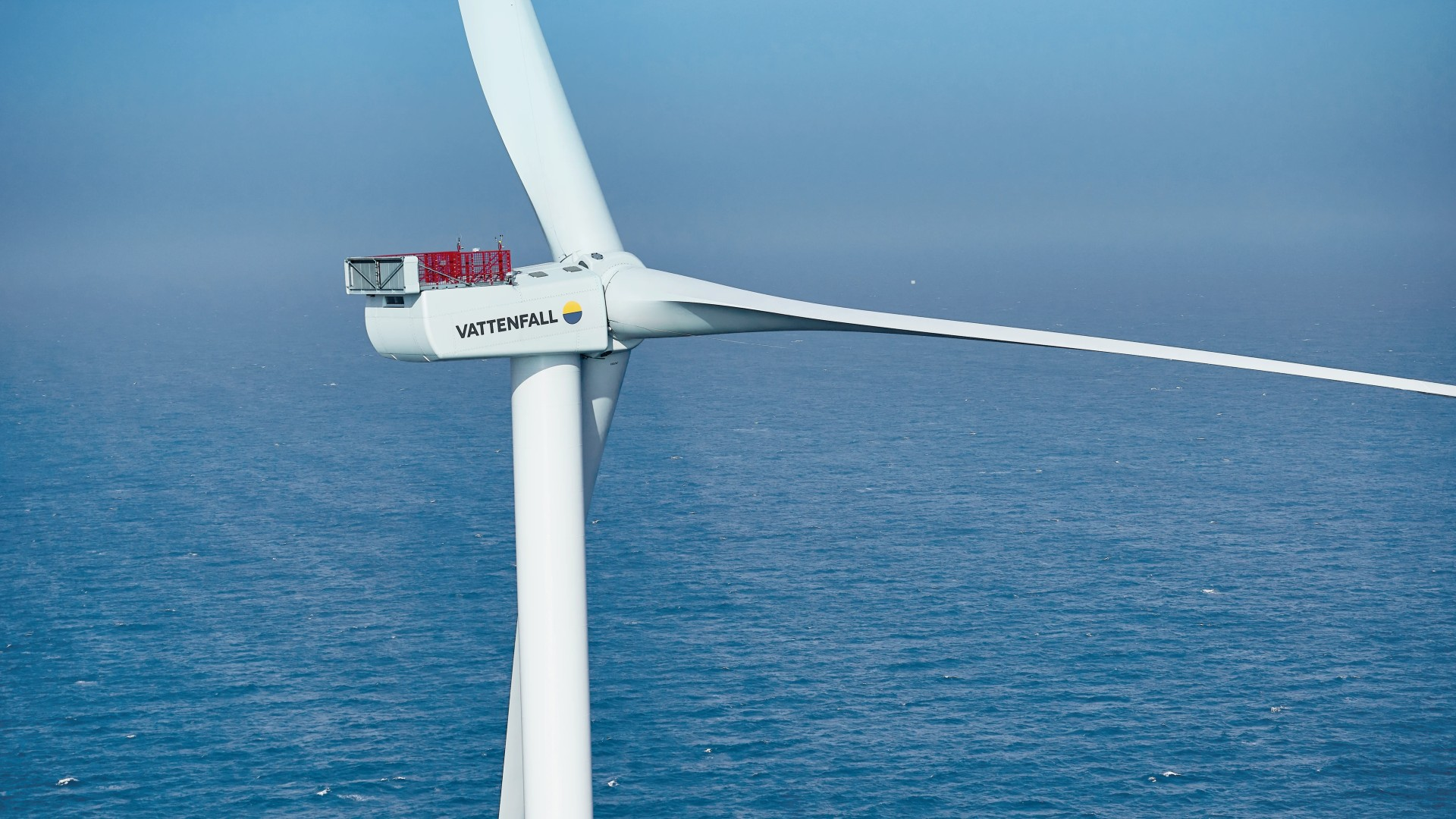
The selection covers SG 15-236 turbines with a nominal generating capacity of 15 MW each, giving the first phase a combined rating of 1,035 MW. The machines can operate at up to 15.5 MW using the manufacturer’s Power Boost function, although the developers have based their installed capacity figure on the nominal rating.
Vattenfall and CIP announced the supplier decision on 18 November as part of their continuing preparation for a final investment decision. The project is being developed through their Zeevonk joint venture, with Siemens Gamesa joining a group of suppliers already selected for foundations, offshore installation, and electrical cabling.
The SG 15-236 has a rotor diameter of 236 metres and three blades measuring approximately 115 metres each. Its rotor sweeps an area of around 44,000 square metres, allowing the machine to capture energy from a substantial cross-section of moving air.
Rotor size influences the amount of wind energy available to the turbine, while the generating equipment and control systems determine how that energy is converted into electrical output. The relationship is not constant across operating conditions, because the turbine must regulate its aerodynamic loading and power production as wind speed changes.
At suitable wind speeds, the SG 15-236 can deliver its nominal 15 MW output. The Power Boost function can raise the maximum output to 15.5 MW under the operating conditions permitted by the manufacturer. Neither rating represents continuous generation, and actual electricity production will depend on the wind resource and equipment availability.
The turbine uses Siemens Gamesa’s direct-drive technology, which connects the rotor to a generator operating at low rotational speed without a conventional high-speed gearbox. Removing the main gearbox changes the drivetrain architecture and its maintenance requirements, although bearings, electrical machinery, blade systems, and other components remain subject to inspection and servicing.
The selected machine also establishes important requirements for the structures and electrical equipment supporting the wind farm. Rotor diameter, tower geometry, turbine mass, and the forces produced during operation affect foundation design, installation planning, and the loads transferred into the seabed.
Those requirements must be coordinated with the construction programme because foundations and supporting infrastructure cannot be designed independently of the generating equipment they will carry. The finished turbine installation must accommodate operational loads as well as environmental forces acting on the tower and foundation.
Zeevonk’s suppliers have already progressed several related packages. EEW Group has been selected to manufacture the foundations, while DEME will provide vessels for foundation and turbine installation. TKF has been selected for the inter-array cables, and Boskalis has responsibilities for cable installation.
The latest supplier decision defines the turbine model around which these installation and electrical interfaces can be coordinated. A change in turbine configuration after foundation and cable designs have advanced can require reassessment of structural loading, installation equipment, and electrical operating requirements.
The turbine installation programme will involve transporting and lifting major components offshore, assembling each generating unit on its foundation, and connecting it to the wind farm’s electrical collection system. These activities must be matched to the capabilities of the selected vessels and the conditions under which offshore work can be performed safely.
Large turbine components place particular demands on installation equipment. The mass and dimensions of towers, nacelles, and blades influence lifting arrangements and vessel positioning, while weather conditions can restrict operations that require precise handling of suspended loads.
After installation, electricity generated by each turbine will pass through its electrical equipment before entering the inter-array collection network. The collection system links the generating units to the offshore electrical infrastructure that transfers power towards the transmission connection.
Designing that network requires consideration of cable ratings, electrical losses, insulation requirements, protection systems, and the operating characteristics of the generating equipment. These elements must be compatible with the selected turbine configuration and the agreed connection requirements.
The wind farm will also require coordinated controls to manage the output of multiple generating units. Turbine controllers regulate individual machines, while the wider plant control arrangements must maintain operation within the conditions imposed by the electricity network.
Commissioning will establish whether the installed equipment operates correctly before electricity export begins. This process includes electrical testing, checks of protection and communications systems, verification of control functions, and confirmation that generating equipment can operate within the required limits.
A project exceeding 1 GW of nominal capacity introduces substantial requirements for coordinating those activities. Individual turbines may be mechanically complete while still awaiting cable connections, electrical testing, or availability of the wider transmission infrastructure.
The timing of offshore construction also depends on manufacturing and logistics. Foundations, turbine components, cables, and electrical equipment may be produced at different locations before being brought together at assembly ports and offshore installation sites.
Each delivery sequence must accommodate the arrival of components, availability of suitable vessels, and completion of preceding construction activities. Delays to a cable installation or offshore foundation package can affect subsequent turbine work even where the generating equipment itself is ready.
Zeevonk forms part of a wider development programme in the Dutch North Sea. The first phase is planned around the 69 selected turbines, while other elements of the overall development remain subject to their respective technical and investment decisions.
The supplier selection therefore advances the definition of the generating equipment without establishing that every component of the wider scheme has received final investment approval. Vattenfall and CIP must complete the remaining commercial, engineering, and project financing arrangements before committing to full execution.
Siemens Gamesa’s SG 15-236 platform is intended for large offshore projects where the combination of rotor area and generator rating can reduce the number of turbine positions required to achieve a given nominal capacity. The overall design still depends on water depth, seabed conditions, installation constraints, and the selected electrical architecture.
The Zeevonk joint venture has been assembling its supplier arrangements during 2026, including foundation, installation vessel, and cable contracts. Siemens Gamesa’s selection provides a defined turbine specification for the next phase of engineering coordination.
Vattenfall and CIP are continuing towards a final investment decision. Confirmation of that decision, followed by detailed manufacturing, installation, and commissioning schedules, will establish when the selected turbines are expected to enter service.