IN Brief:
- The EBRD and Clean Technology Fund are providing a combined €50m financing package to Tunisia’s state utility STEG.
- The Beni Mhira development combines 50MWac of photovoltaics, a 10MW/20MWh battery and new high voltage connection infrastructure.
- The project remains at procurement stage, with STEG seeking construction bids before the December 2026 deadline.
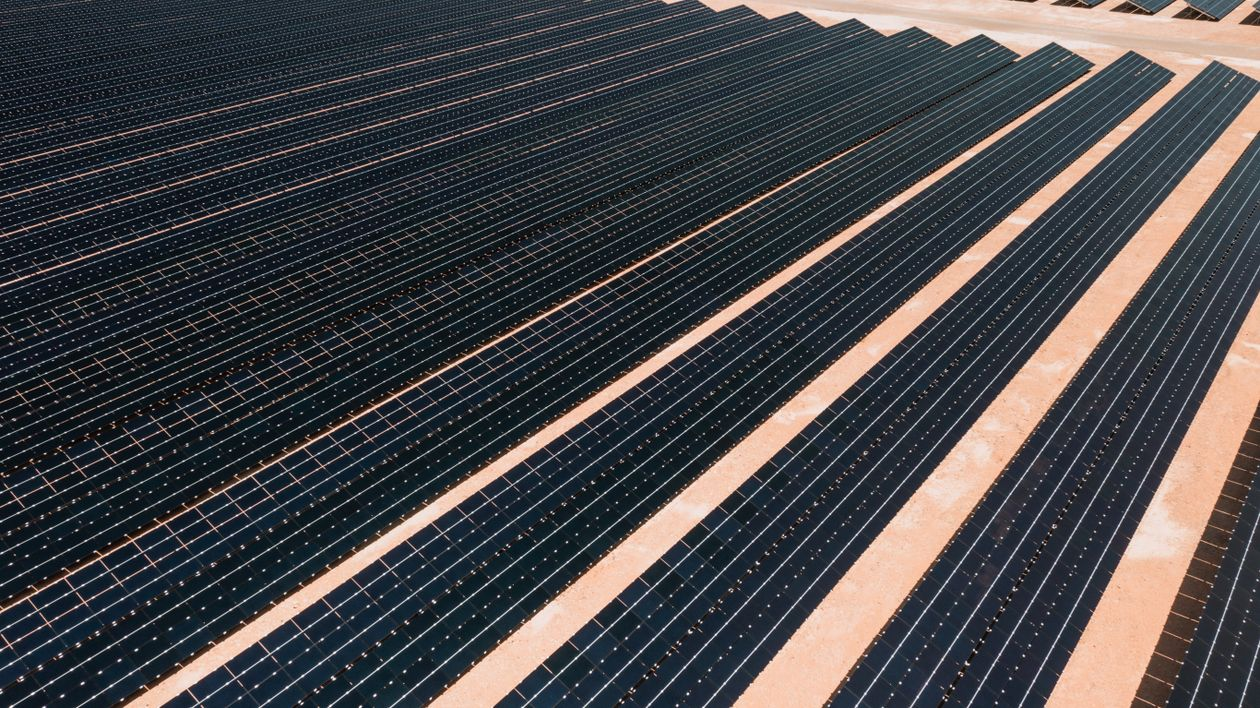
The European Bank for Reconstruction and Development has signed a €50m package to finance a solar power plant and Tunisia’s first utility-scale battery energy storage system. The Beni Mhira project in the southern Tataouine governorate comprises 50MWac of photovoltaic generation, a 10MW/20MWh battery and a high-voltage connection to the national grid. The financing is being provided to national electricity and gas utility STEG, which is procuring the construction works.
A €30m sovereign-guaranteed loan from the EBRD is combined with €20m in concessional financing from the Climate Investment Funds’ Clean Technology Fund. The agreements were signed on 11 November. They follow development work and the opening of an international construction tender in October, but neither financing signature nor tender publication constitutes the start of physical construction. No main works contractor has yet been named in the material reviewed.
The solar installation is rated at 50MWac, indicating its nominal alternating-current export capacity, while the battery is specified to deliver 10MW and store 20MWh. At nominal output that corresponds to approximately two hours of energy discharge before operating limits and losses are taken into account. The storage component is intended to make part of the solar output more flexible over time, rather than match the full generating capacity of the photovoltaic plant.
Battery dispatch can shift energy from periods of high solar output to later demand, subject to state of charge, network requirements and the availability of generation to recharge it. The storage controls must coordinate with the photovoltaic inverters and connection protection systems. The EBRD also identifies the development of utility operating capability as an objective of the project. It has not disclosed the battery cell chemistry, detailed dispatch rules or guaranteed cycling performance.
The EBRD identifies approximately 1.2km of high-voltage transmission line for connecting Beni Mhira to the national grid. The associated works include grid infrastructure and the electricity evacuation equipment required to deliver output from the solar plant and battery. The financing announcement does not provide individual transformer ratings or a completed substation design. Those details will be established through the project’s engineering and procurement process.
Connecting storage and solar through shared electrical infrastructure requires control of power exchange at the grid interface. The design must account for the inverter operating ranges, fault protection, voltage regulation and the network operator’s connection requirements. Coordination is also needed so the battery can charge or discharge without exceeding permitted export limits. The current announcement establishes the major equipment capacities and connection requirement, not the detailed switching or protection scheme.
Beni Mhira is part of STEG’s wider programme for 380MWac of solar generation and 100MWh of battery storage. It is the first project in that programme to receive the newly announced financing, rather than an enlargement of the 10MW/20MWh battery. Tunisia is pursuing renewable generation alongside the development of the grid systems and operating procedures needed to integrate it. The initial plant offers STEG its first utility-scale experience of coordinating photovoltaic output with grid-connected battery dispatch.
The financing also forms part of the EBRD’s established involvement in Tunisia’s electricity infrastructure, including support for grid reinforcement and the ELMED interconnector between Tunisia and Italy. Those are separate investments from the Beni Mhira plant. In the battery project, the immediate technical challenge is integrating a relatively small storage system into STEG’s operations alongside a larger solar array. Operating experience with dispatch, protection and network control can inform the utility’s later storage programme without presuming that subsequent plants will share exactly the same design.
STEG’s October tender covers construction of the 50MW solar plant, 10MW/20MWh storage and associated high-voltage grid infrastructure. The EBRD procurement portal lists a closing deadline of 10 December 2026. Contractors are therefore bidding for an integrated generation, storage and connection project, with the final division of equipment responsibilities to be settled during award and detailed design. Tender evaluation and contract appointment remain ahead of any reported start on site.
The next project steps are tender evaluation, contractor appointment, detailed connection engineering and the start of construction. Electrical completion will ultimately require tests of power conversion equipment, network protection and battery control alongside commissioning of the photovoltaic plant. The EBRD and Clean Technology Fund financing establishes the funding structure for those works, but no date for energisation or commercial operation has been announced. The tender closing date is the next confirmed milestone.