IN Brief:
- Cobra IS won two Brazilian transmission concessions following auctions organised by electricity regulator ANEEL.
- The projects cover 22.3km and 116.5km of high voltage lines, new substations, and extensions to existing facilities.
- VINCI expects investment of approximately €430m across the projects, followed by 30 years of operation under their concession arrangements.
VINCI has secured two electricity transmission concessions in Brazil through its Cobra IS subsidiary, covering 138.8km of high-voltage lines and associated substation works in São Paulo and Paraná. Cobra IS expects to invest approximately €430m across the two public-private partnerships. It will design, finance and construct the infrastructure before operating it under 30-year concession arrangements awarded through auctions organised by Brazilian electricity regulator ANEEL.
The São Paulo concession comprises 22.3km of new transmission line and one substation, with a maximum construction period of 48 months. The Paraná package includes 116.5km of line, a new substation and extensions to two existing substations; its allowed construction period is 60 months. Those periods define the contractual delivery windows rather than confirmed energisation dates. VINCI has not disclosed when on-site construction will begin.
Together the line routes total 138.8km, which VINCI rounds to nearly 140km. The €430m figure is the investment expected across the concessions, not a disclosed construction contract value or annual revenue. Individual voltage ratings, transformer capacities and equipment suppliers have not been identified. Those specifications will be needed as the project teams develop line alignments, substation designs and interfaces with the receiving electricity networks.
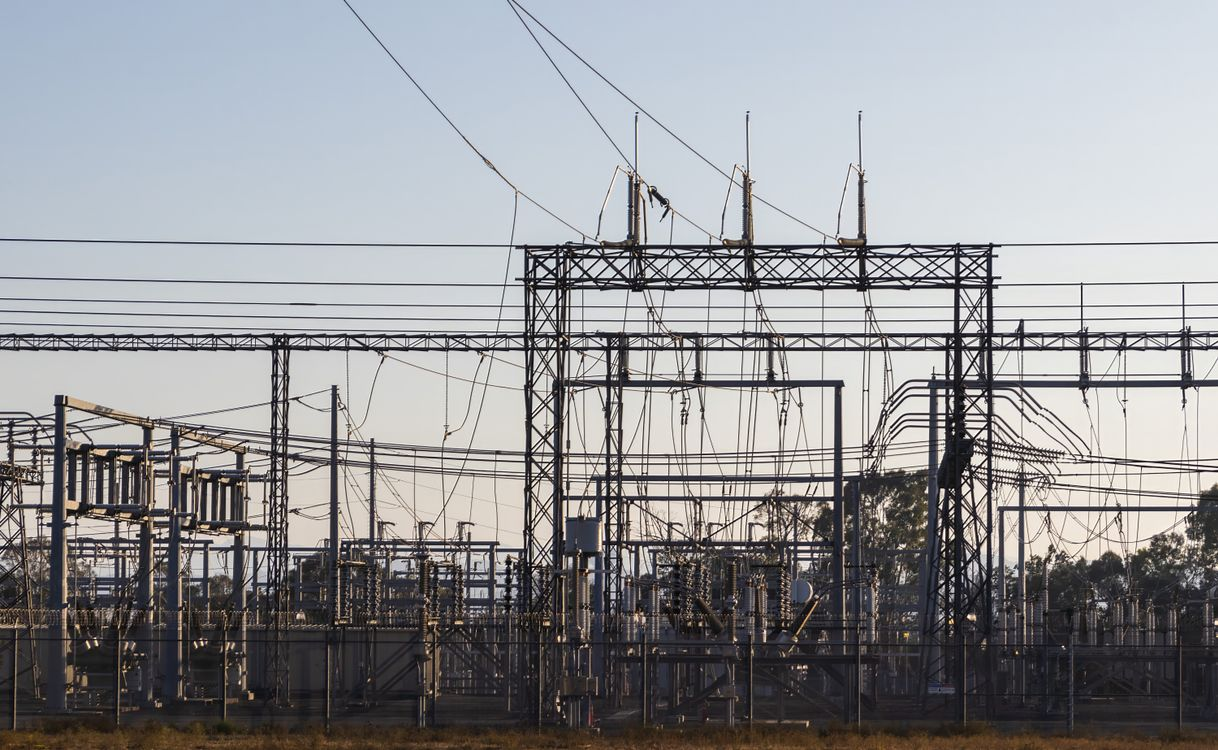
High voltage transmission corridors move large quantities of power between parts of an electricity system, while substations provide the points at which circuits are switched, monitored and connected to other network assets. The planned extensions in Paraná also introduce work at operating installations. Such modifications normally require engineering coordination between the new circuits and existing protection, control and safety arrangements. The extent of any outage requirements or individual equipment replacements has not yet been disclosed for these projects.
Extensions to existing substations bring the new works into contact with live network infrastructure. Connection design must establish the effect of added circuits on switching arrangements, fault levels and protection coordination, and determine how equipment can be installed and tested while the surrounding network continues operating. Any required outages, bypass arrangements and commissioning sequences will depend on the utility’s operating procedures. VINCI has identified the extensions but has not yet specified those engineering methods.
The concession model brings long-term operation into the same programme as design and construction. Equipment accessibility, inspection intervals, spare parts and maintainability therefore influence choices made before the assets are commissioned. A 30-year operating obligation is not a uniform service-life specification for every transformer, circuit breaker or protection relay: inspections and renewals will depend on actual duty, condition monitoring and manufacturer requirements. The contracts also put asset performance and maintenance planning alongside civil and electrical delivery.
Cobra IS already has substantial operations in the Brazilian transmission sector. Following the latest awards, VINCI puts its high voltage line concession portfolio at close to 3,000km across eight contracts, comprising seven in Brazil and one in Australia. It also reports operating and maintaining approximately 45,000km of power lines in Brazil. This wider maintenance activity is not equivalent to ownership of the new concession portfolio, and the two figures describe different measures of the subsidiary’s involvement.
Transmission line delivery will also depend on the route selected between connection points. Survey and access work must establish where structures can be placed and how conductors, insulators and earthing systems can be installed safely. Substation construction adds the need for equipment foundations, cable interfaces and staged electrical testing before new circuits are energised. VINCI has not released a route plan or construction method statement for these packages, so their detailed engineering sequence remains to be established within the awarded concession periods.
Cobra IS won two other Brazilian transmission auction lots earlier in 2026, involving São Paulo and Rio de Janeiro and, separately, Pará and Mato Grosso. VINCI has also recycled capital from established assets, reporting proceeds of more than €300m since 2023 from disposals of 50% holdings in four Brazilian transmission partnerships. One transaction involved the Pampa concession in July. Those disposals are separate from the investment now announced for the São Paulo and Paraná projects.
Each concession now moves towards detailed engineering, equipment procurement, construction planning and the permissions required for its transmission corridors. The Paraná works also need coordination with the owners and operators of the substations being extended. VINCI has provided maximum delivery periods of 48 and 60 months, but no individual start dates or energisation milestones. The scope will become clearer as the line specifications, substation interfaces and construction programmes are finalised.