IN Brief:
- Ampeak has completed installation of 55 battery units, 36 inverters, 18 twin skids and the principal grid transformer at Afon Wysg 1.
- The 240MWh development has a completed on-site substation and uses approximately two-thirds of the former power station's export cable.
- Initial energisation is expected in November 2026, followed by charging and discharging tests before commercial operation in Q1 2027.
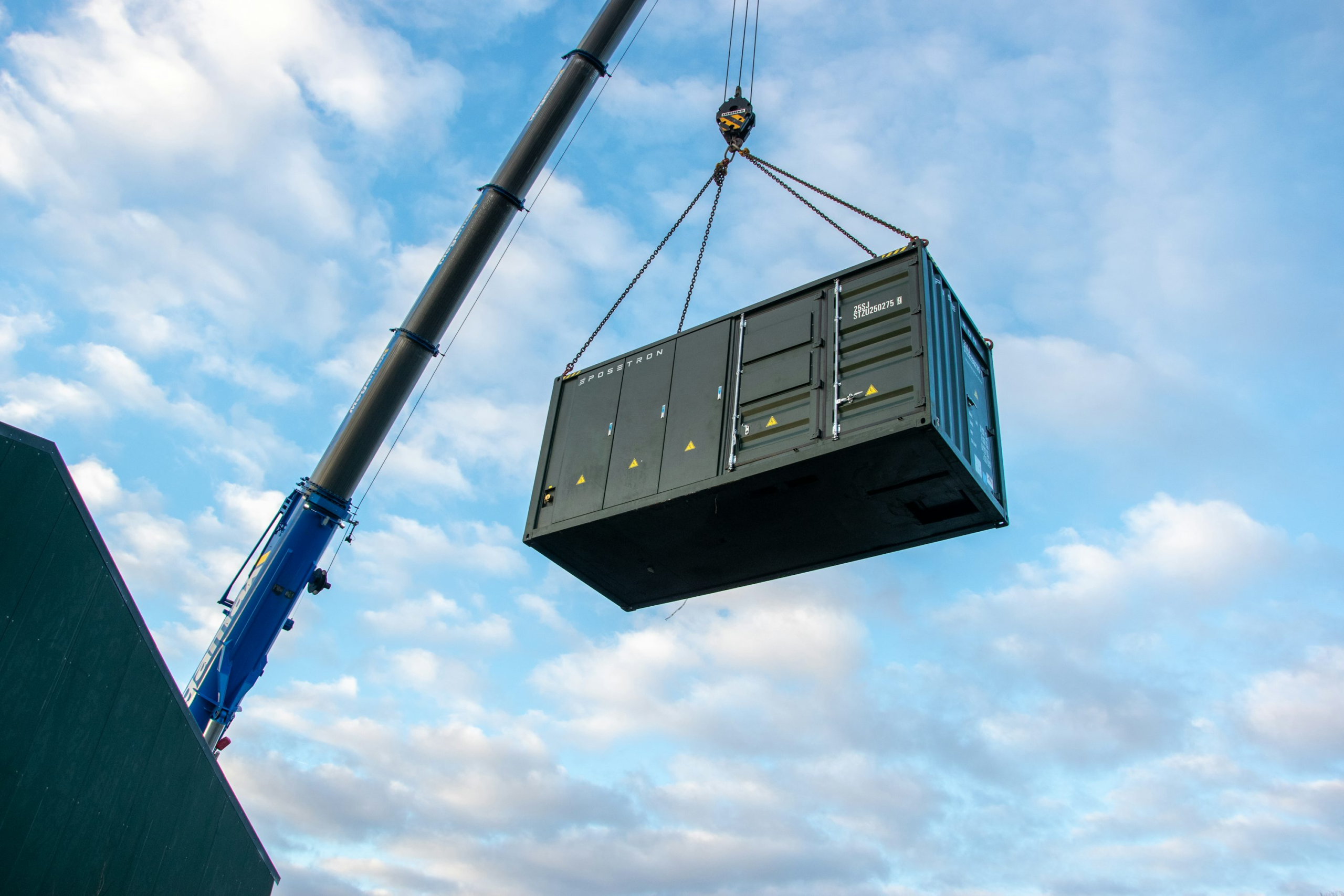
Ampeak Energy has completed installation of the main battery and electrical equipment at its 240MWh Afon Wysg 1 energy storage project in Uskmouth, South Wales, ahead of initial grid energisation planned for November. The development now has all 55 battery units in position, together with 36 inverters, 18 twin skids and the principal grid transformer, allowing the project team to prepare for integrated electrical commissioning.
The equipment was supplied by e-STORAGE, part of Canadian Solar, and installed by principal contractor Jones Bros Civil Engineering UK. The battery supplier will also undertake commissioning, with the project targeting full commercial operation during the first quarter of 2027.
Completion of the deliveries followed a tightly coordinated 22-day programme involving a ten-person Jones Bros team. Equipment weighing close to 3,000 tonnes in total was brought onto the former power station site, with transport schedules organised around the sequence in which the battery systems and other components could be positioned.
The installation follows completion of concrete foundations for the battery units and power conversion equipment, associated cable ducting and precast troughs serving the inverters. These works have established the physical arrangements needed for the electrical equipment, including cable routes and the supporting structures for the major components.
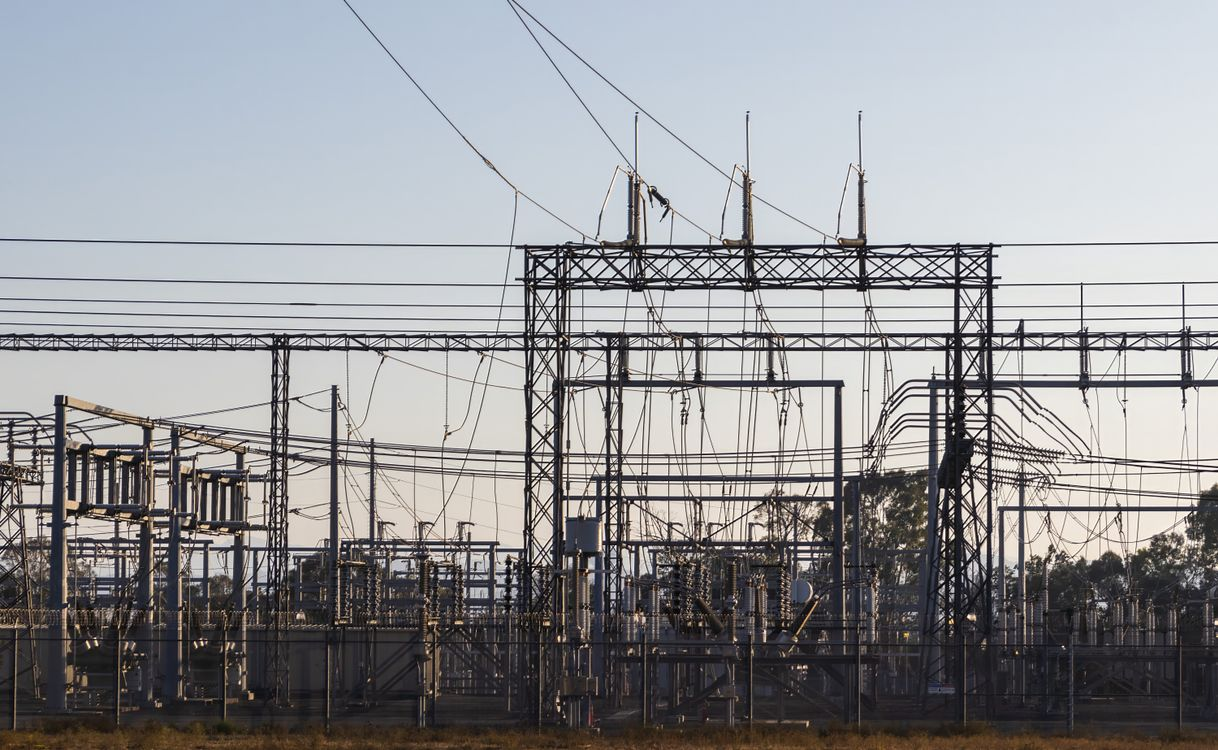
A new on-site substation has also been completed, together with the high-voltage cabling required to connect the development to existing grid infrastructure. Ampeak has reused approximately two-thirds of the former power station's export cable, reducing the need to install an entirely new connection route.
The reuse of existing infrastructure is a significant element of the Uskmouth redevelopment. The former power station was designed to export electricity from conventional generating equipment, while the new battery facility must be capable of importing electricity for charging and exporting it during discharge.
Those operating requirements place different demands on the site's electrical systems. Battery installations use bidirectional power conversion equipment to exchange electricity between the DC battery modules and the alternating-current network, with transformers providing the necessary voltage interfaces.
The 36 inverters are part of that conversion arrangement. Their operation must be coordinated with the batteries, site controllers and protection systems to maintain electrical output within permitted operating conditions during charging, discharging and standby periods.
Battery management systems also supervise cell-level operating parameters, including temperature, voltage and state of charge. These controls establish limits within which stored energy can be charged or discharged, while the wider power conversion system manages the electrical interface with the grid.
The project's stated capacity of 240MWh describes its energy storage capacity rather than its instantaneous electrical output. A separate power rating is needed to establish how much electricity the system can import or export at a particular moment, while usable stored energy and operating limits determine the duration of discharge.
Ampeak has not specified a complete power-rating and operating-duration breakdown in the latest construction update. Neither the number of inverters nor the battery energy capacity alone establishes the maximum power available under every operating condition.
The immediate engineering objective is to complete initial energisation from the grid. This will introduce electrical supply to the installed equipment under controlled conditions, allowing the project team to begin confirming the behaviour of the integrated system.
Energisation is distinct from commercial commissioning. The batteries and power conversion equipment must subsequently demonstrate their ability to charge and discharge as intended, with protection systems, control communications and electrical interfaces operating together across the relevant test conditions.
Commissioning will also establish whether the installation can respond appropriately to operating instructions and changing electrical conditions. The work requires coordination between the battery supplier, principal contractor and the specialists responsible for the grid connection and supporting equipment.
Completion of the physical installation reduces the amount of major construction activity remaining, but it does not remove the technical requirements associated with bringing a large battery system into service. Electrical testing, equipment configuration and the verification of operating limits remain necessary before routine commercial operation can begin.
Afon Wysg 1 forms part of Ampeak's redevelopment of the Uskmouth Sustainable Energy Park. The company is repurposing former power generation land and infrastructure for energy storage, taking advantage of an established industrial site with an existing electrical connection.
The construction programme has also incorporated measures intended to reduce transport movements and reuse existing materials. Bulk aggregates were imported by rail, while concrete recovered from earlier demolition work was crushed and reused on site.
Additional environmental works include an attenuation pond, fencing and landscaping. These measures form part of the wider development but are separate from the electrical installation and commissioning activities that determine when the battery system can enter operation.
Ampeak is preparing a potential expansion that would double the project's energy storage capacity from 240MWh to 480MWh. Foundations for additional equipment have already been constructed, and space has been retained between installed battery units to accommodate the subsequent phase.
The expansion has not yet reached financial close. Ampeak intends to complete the necessary financing arrangements shortly after the first 240MWh development enters commercial operation, with the layout designed to allow additional work without repeating substantial elements of the initial groundworks.
That later phase remains dependent on the company's investment and delivery decisions. Its capacity should not be included in the operational rating of Afon Wysg 1 until additional equipment has been installed and commissioned.
Following completion of the principal equipment installation, the project team is targeting first grid energisation during November 2026. Charging and discharging tests will then provide the next measurable indication of progress towards the planned start of commercial operation in early 2027.