IN Brief:
- SSE has selected Siemens Energy as preferred supplier for offshore wind turbines and substation platforms at the planned 1.4GW Berwick Bank B development.
- The proposed work would support 2,677 UK roles, including 2,222 across northern England and 455 in Scotland, of which 130 are identified as new Scottish jobs.
- A final investment decision is expected in late 2027, with offshore preparatory works potentially starting in 2028 and turbine and substation installation planned for 2030–2032.
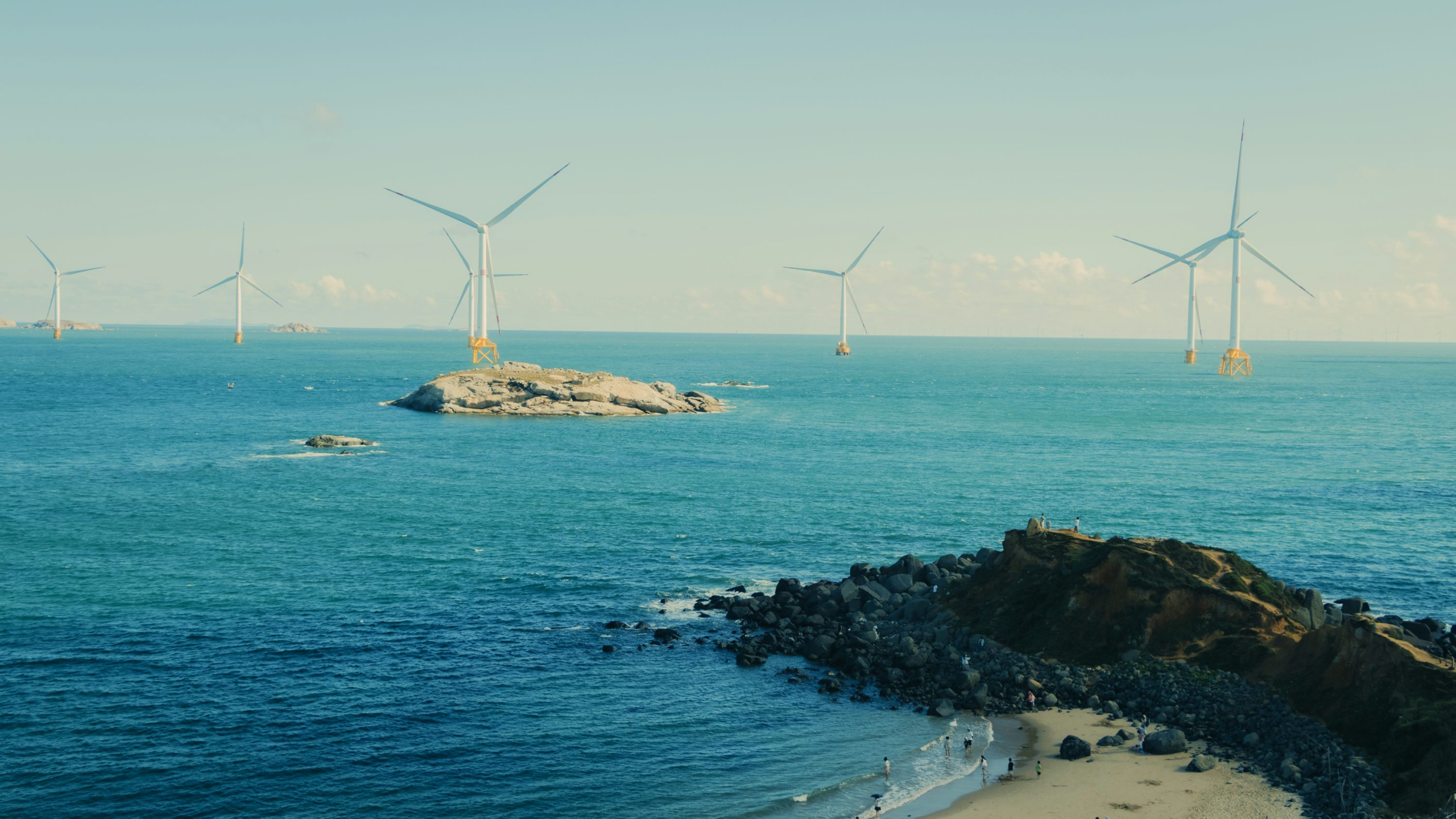
SSE has selected Siemens Energy as preferred supplier for wind turbines and offshore substation platforms at its proposed 1.4GW Berwick Bank B offshore wind development in the outer Firth of Forth. The selection could support 2,677 manufacturing, engineering, project delivery and servicing roles across England and Scotland, although the proposed appointment remains subject to a final investment decision and contract award.
The development is planned approximately 38km off the Scottish coast and forms part of the wider 4.3GW Berwick Bank offshore wind project. SSE is progressing Berwick Bank B towards an investment decision expected in late 2027, with preparatory offshore construction potentially beginning in 2028.
Siemens Energy's proposed scope covers the wind turbines and offshore substation infrastructure required to generate, collect and transfer electricity from the planned installation. The company would draw on its established wind and grid technology operations, including turbine blade manufacturing, electrical engineering, substation assembly and project delivery.
The preferred supplier selection is expected to support 2,222 existing and project-based roles across northern England. These include manufacturing activities in Hull, engineering and project delivery in Manchester, and work associated with offshore substation delivery and assembly in Newcastle.
A further 455 engineering, project delivery and servicing roles would be supported across central and northern Scotland through SSE and Siemens Energy. The companies identify 130 of these as newly created positions, distinguishing them from existing employees and other roles expected to be sustained by project activity.
SSE's Scottish allocation includes 200 engineering and project delivery roles in Glasgow, of which 80 would be new positions. Siemens Energy expects to support another 255 roles across Glasgow, northern Scotland and Montrose, including 50 newly created positions associated with Montrose Port.
Siemens Energy is also developing a new Glasgow office, with capacity for up to 150 employees working across renewable energy, grid infrastructure and servicing activities. The office forms part of the company's wider Scottish operations and should not be counted as a separate additional employment commitment beyond the figures disclosed for the project.
The latest announcement follows SSE's earlier preferred supplier agreement with Seaway7 for the engineering, procurement, construction and installation of turbine foundations and subsea inter-array cables. That proposed contract covers a distinct part of Berwick Bank B's infrastructure, while Siemens Energy's selection concerns the generating equipment and offshore substation platforms.
Seaway7's planned responsibilities include foundations that must support the wind turbine structures in the offshore environment. The installation programme also requires subsea collection cables connecting the turbines to the offshore electrical infrastructure.
Those components have direct technical interfaces with Siemens Energy's proposed equipment. Turbine dimensions, foundation loading, cable routing and electrical connection arrangements must be coordinated before the final construction design can be completed.
Wind turbines convert mechanical energy from the rotor into electrical power through generating equipment and associated controls. Their output must then be collected through a network of submarine cables designed to accommodate the electrical loading and operational requirements of the generating array.
The configuration of the collection system depends on the number and rating of turbines, their physical arrangement and the distances between generating equipment and offshore substations. Cable conductor ratings, insulation, electrical losses and protection requirements influence the final design.
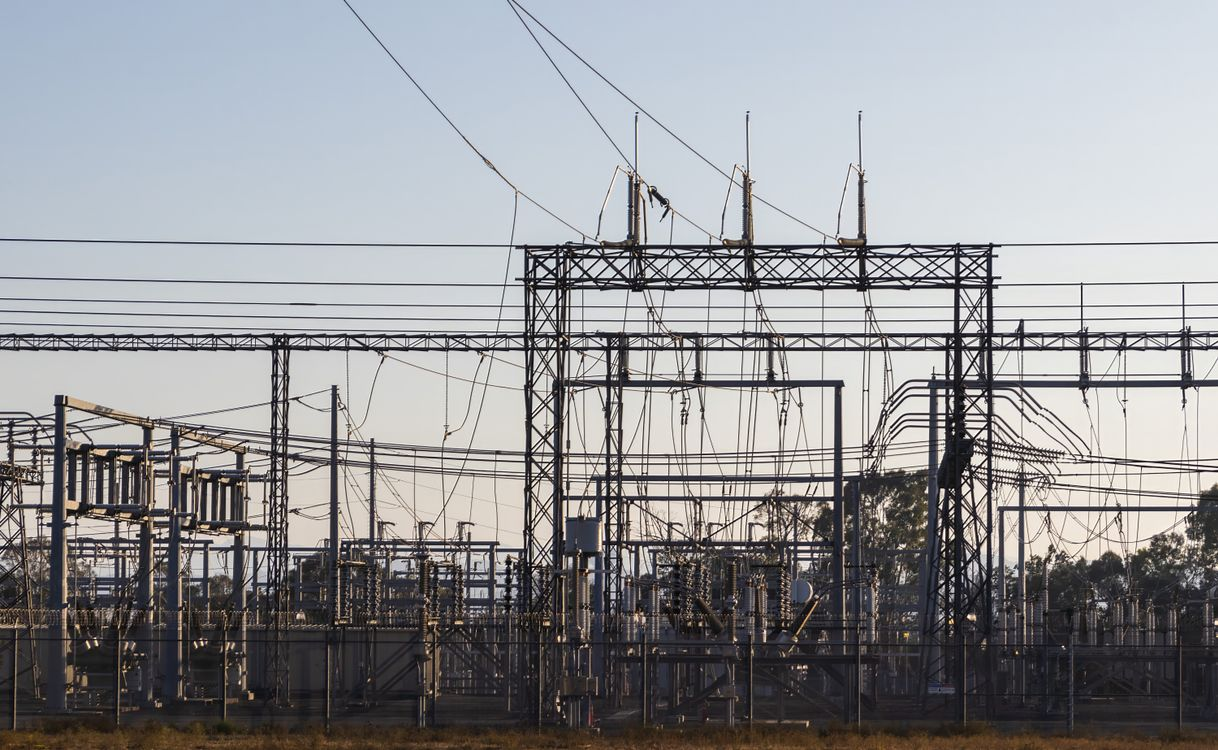
Offshore substations provide an essential interface between the collection network and the infrastructure used to transmit electricity towards the shore. Their electrical equipment can include transformers, switchgear, protection relays, control systems, auxiliary power supplies and the necessary connections to incoming and outgoing cables.
Electrical design must be coordinated with the offshore platform structure. Major equipment introduces substantial weight and space requirements, while cooling, access, maintenance and the marine environment influence the arrangement and protection of the installed systems.
Substation fabrication and assembly consequently involve work across several engineering disciplines. Structural components must be integrated with electrical equipment, while the completed systems require inspection and testing before they can be transported for offshore installation.
The proposed scope would draw on Siemens Energy's UK manufacturing and project delivery facilities. The company's Hull operation provides turbine blade manufacturing capacity, while engineering and electrical infrastructure expertise at other UK locations would support delivery of the turbine and substation equipment.
Confirmation of the final turbine configuration and detailed electrical specifications will depend on the progression of the supplier agreement and the development's engineering requirements. The latest selection does not disclose a final contract value or establish that equipment manufacturing has begun for Berwick Bank B.
The project remains dependent on SSE's final investment decision. Although preferred supplier agreements allow detailed commercial and technical work to progress, they do not constitute the final authorisation to construct the development or confirm that all proposed equipment will be ordered.
Subject to approval, preparatory offshore construction could begin in 2028. SSE anticipates that turbine and offshore substation installation would start in 2030 and continue until 2032, reflecting the extended sequence of offshore construction and electrical integration required for a project of this size.
The wider Berwick Bank development has a planned generating capacity of approximately 4.3GW. If built to its full proposed scale, SSE estimates that it could provide electricity equivalent to more than 6% of current UK demand and the annual consumption of almost seven million homes.
Those generation estimates apply to the complete Berwick Bank development rather than the individual 1.4GW Berwick Bank B phase. Actual electricity production will depend on wind conditions, installed generating capacity, equipment availability and the operation of the associated transmission infrastructure.
The project will require suitable network connections to transfer its output into the electricity system. Generating capacity alone does not establish the amount of electricity that can be exported under every operating condition, as the electrical ratings and availability of the associated transmission equipment must also be considered.
SSE estimates that the latest Siemens Energy selection brings the total number of UK roles announced in connection with Berwick Bank B to more than 3,000, including almost 1,000 in Scotland. These figures include the employment associated with earlier project commitments and are not equivalent to the number of newly created jobs.
The company is also investing in engineering skills and training associated with its Scottish operations. Manufacturing, offshore construction, electrical commissioning and subsequent maintenance require different specialist capabilities, with workforce preparation forming part of the wider delivery programme.
The next major project decision remains the proposed final investment approval in late 2027. Further engineering work and contractual negotiations will determine Siemens Energy's final equipment scope and the construction commitments required before turbine and offshore substation installation can begin.