IN Brief:
- Iberdrola España plans €6bn of electricity network investment between 2027 and 2030, approximately doubling its planned expenditure.
- The company has brought together nearly 300 representatives from electrical equipment suppliers and contractors to prepare the programme.
- Planned expenditure includes €1.2bn in 2027, with individual projects and procurement commitments still to be confirmed.
Iberdrola España plans to double investment in its Spanish electricity networks to €6bn between 2027 and 2030, preparing a substantial expansion of infrastructure serving homes, businesses and industrial electricity users. The utility expects to allocate €1.2bn to network investment in 2027 and has begun discussions with equipment manufacturers, engineering companies and contractors to prepare for the additional work.
Nearly 300 representatives from the electricity infrastructure supply chain attended a meeting at Iberdrola's Training and Innovation Campus in San Agustín de Guadalix, near Madrid. The event brought together companies involved in the manufacture, installation and servicing of electrical equipment, allowing the utility to discuss the requirements of its next investment cycle before the programme begins.
Suppliers represented included ABB, Arteche, Eiffage, Elecnor, Faramax, General Electric, Ingeteam, Ormazabal, Hitachi, Siemens and Schneider. The meeting was attended by Iberdrola executive chairman Ignacio Galán, procurement director Ignacio Sánchez-Galán and Eva Mancera, chief executive of the company's Spanish distribution network operator, i-DE.
The proposed €6bn expenditure covers a four-year period and represents an increase in the utility's planned spending on domestic network infrastructure. Iberdrola has provided the overall investment figure and its intended allocation for 2027, but has not announced a complete project-by-project programme or awarded contracts covering the full expenditure.
Galán highlighted the importance of manufacturing and contracting capacity in delivering the increased investment. He said: "major investment plans can only be delivered if they are backed by a strong and well-prepared supply chain". The company is seeking to align the capabilities of suppliers with the growth in electricity network construction and modernisation that it anticipates.
Iberdrola's discussions covered production capacity, specialist labour, engineering resources and the availability of critical materials. All four influence the sequence in which electricity network projects can move from design and procurement into construction, particularly where equipment must be manufactured to project-specific electrical requirements.
The expanded programme is intended to accommodate rising electricity demand and the electrification of heating, transport and industrial activity. Additional electricity consumption can place greater demands on existing distribution circuits, transformers and substations, particularly where new connections are concentrated in areas with limited available capacity.
Network reinforcement may involve installing additional transformer capacity, replacing cables, upgrading switchgear or modifying the arrangement of substations and feeders. The engineering solution depends on the forecast demand, existing equipment ratings, operational conditions and the need to maintain supply reliability during maintenance or faults.
Higher consumption does not necessarily require the same type of upgrade at every location. A network with sufficient cable capacity but constrained transformer capacity may need a different intervention from one where the limiting factor is a heavily loaded feeder or a shortage of available connections at a particular substation.
Distribution operators must also account for changing electrical load characteristics. High-capacity vehicle charging, electric heating and industrial power conversion equipment can create different demand patterns and introduce requirements for voltage control, protection coordination and management of network loading.
Distributed generation adds another dimension. Electricity supplied by rooftop solar and other local generating installations can change power flows through circuits originally developed around supply from higher-voltage networks. Suitable monitoring, voltage management and protection arrangements are necessary where the direction and magnitude of power flows vary over time.
Digital network equipment can assist with these operating requirements by providing measurements and information about the condition of connected infrastructure. Monitoring systems, automated switching and network control software can help operators identify constraints or respond to faults, although physical reinforcement remains necessary when existing assets cannot safely accommodate the required electrical loads.
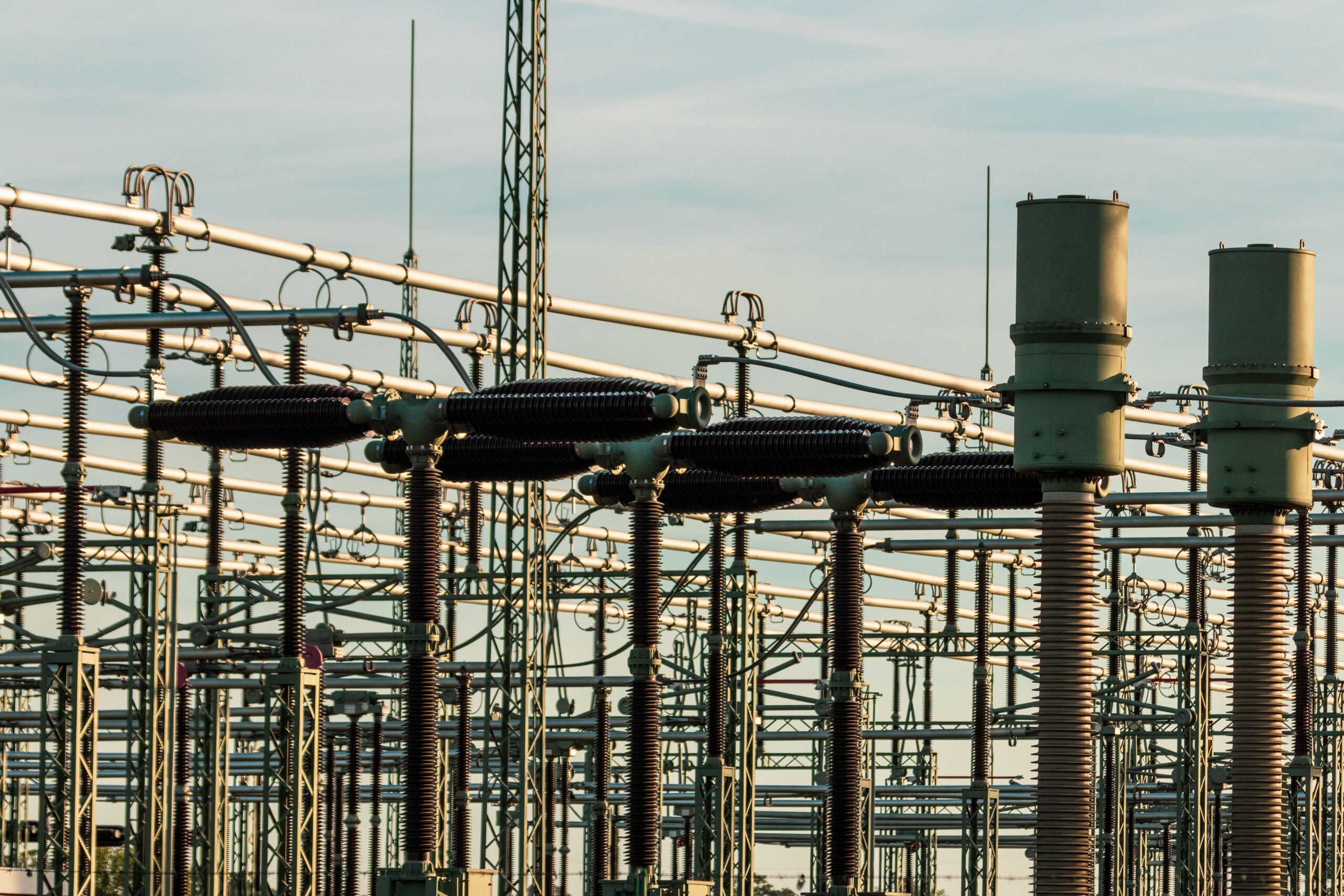
The availability of equipment is a separate challenge from network design. Transformers, high-voltage switchgear and specialist protection systems may require long production and testing periods, with specifications established around rated voltage, current, insulation, fault performance and installation conditions.
Late changes to equipment selection can affect construction schedules because electrical interfaces, foundations, cable connections and protection arrangements may already have been designed around particular equipment characteristics. Earlier engagement with manufacturers can support production planning and provide more reliable information about delivery availability.
The supplier meeting also addressed the workforce and engineering resources needed to deliver the projects. Electricity network construction involves civil engineering, electrical installation, cable jointing, testing, commissioning and work carried out around existing live infrastructure. Individual activities must be coordinated with network access and planned outages where these are required.
Iberdrola already maintains substantial purchasing relationships with its suppliers. The company reports annual procurement expenditure of approximately €14bn worldwide, including more than €2.5bn in Spain. These figures cover the group's existing purchasing activity and are separate from the proposed €6bn Spanish network investment programme.
The company attributes significant employment and industrial activity to its existing supply chain, providing an established base of manufacturers and contractors for the next investment cycle. The announced meeting did not, however, amount to a guarantee of additional orders for every supplier represented.
Iberdrola's Spanish distribution operator, i-DE, will have a central role in translating the expenditure plan into infrastructure work. Its investment priorities must reflect connection demand, equipment condition, network operating requirements and the regulatory framework governing distribution activity in Spain.
Specific construction programmes will require technical design, procurement and the relevant approvals before work can begin. The utility has not yet assigned the entire investment amount to named substations, cable routes or equipment packages, leaving the distribution of spending across individual projects to be established.
The planned €1.2bn allocation for 2027 provides the first financial milestone. Subsequent announcements and procurement decisions will determine how the remaining investment is distributed through 2030 and which electrical infrastructure projects progress into construction and commissioning.