IN Brief:
- Threefold installed its Optima battery system at Parnham Park in September 2026, ahead of the current November case-study coverage.
- The system uses an on-site battery and energy management software to shift grid imports away from expensive periods without changing when the estate consumes power.
- No project-specific battery capacity, measured savings or carbon reduction figures have been disclosed; modular expansion is planned as restoration proceeds.
Threefold Energy has installed modular battery storage at Parnham Park, the Grade I listed Dorset estate being restored for residential and hospitality use. The battery is intended to shift electricity consumption between tariff periods while the site operates a restaurant and its first restored guest rooms. The installation was discussed publicly before the release circulated in November, so the development is an existing project case study rather than a newly completed November commissioning.
Near Beaminster, Parnham Park covers 132 acres around a historic country house damaged by fire in 2017. James and Sophie Perkins began a restoration programme in 2021, with plans to create a 45-bedroom retreat alongside a family home. Five guest rooms and a restaurant are already trading while other sections of the house are renovated. The electrical supply must therefore meet the estate’s current operating loads while leaving scope for changes in demand as further accommodation and facilities enter service.
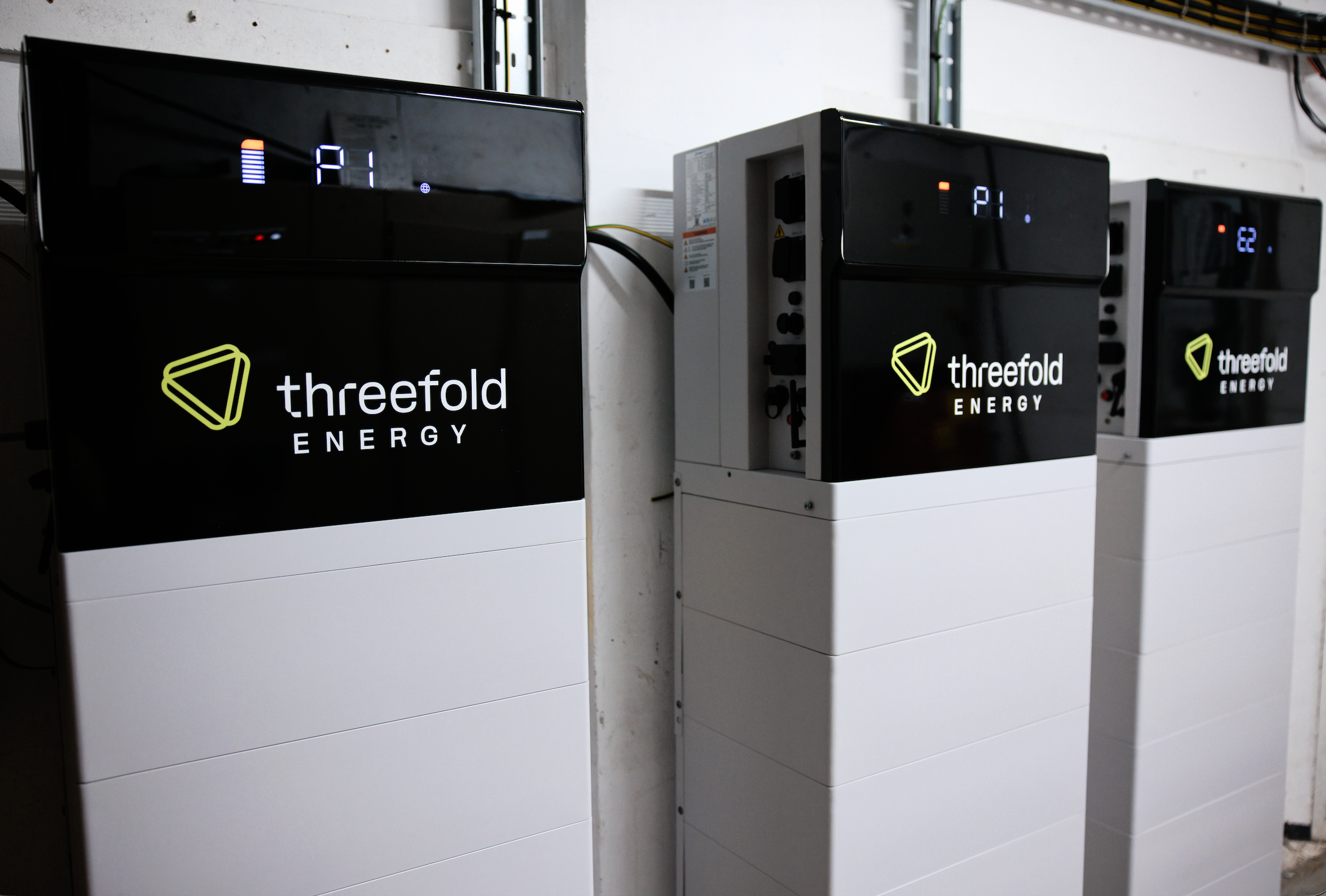
Threefold’s system couples an on-site battery to energy management controls that schedule charging and discharging against a time-of-use electricity tariff. The battery can charge from the grid when the tariff is lower, then supply some of the site’s load during more expensive periods, reducing the quantity of electricity bought at peak rates. The kitchen, rooms and other electrical services continue to operate; the changes occur in the timing and source of their imported electricity, subject to the battery’s available energy and discharge power.
Hotel and restaurant electricity demand can be uneven, with food preparation, guest services and building systems contributing to peaks that differ by season and occupancy. The saving from battery operation depends on how much consumption falls within high-price periods, the difference between tariff bands and the energy lost during charging and discharging. Operational limits such as battery state of charge and the availability of cheaper charging windows also affect the outcome. Threefold has not supplied a measured reduction in Parnham’s electricity bill or a site-specific payback period.
Parnham Park already purchases electricity through a renewable tariff, according to its project team. That contractual arrangement is separate from the battery’s physical operation: storage does not generate electricity, but moves previously imported energy to a later time. The emissions effect depends on when the battery charges, which generation is operating on the wider grid and the system’s round-trip efficiency. Although Threefold says its software seeks lower-cost and typically lower-carbon charging periods, the project material contains no quantified emissions baseline or verified annual carbon saving.
Introducing electrical equipment to a listed building requires attention to access, cable routes and the preservation of historic fabric, as well as protective devices and the battery installation itself. Threefold says its modular equipment was fitted with minimal disruption and can be expanded as the restoration proceeds. It has not disclosed the battery’s energy capacity, inverter power, connection voltage, system chemistry or location within the estate. No specific heritage-consent record or detailed installation drawing was supplied, so the extent of the physical work cannot be independently characterised.
Luke Gamble, chief executive officer at Threefold, said: “Energy has become one of the costs hotels feel most but historically have least been able to control. Our battery systems transform that dynamic – significantly reducing energy costs and carbon emissions which in turn can materially boost the bottom-line and cash positions of hotel groups. We are delighted Parnham Park is incorporating our cleantech into its current and future operations.” The supplier has not released measured financial or carbon results for Parnham, so the claimed benefits remain its assessment of the approach.
Threefold’s published Optima terms describe an arrangement combining a battery energy storage system with an electricity management system, including commissioning, monitoring and ongoing support. The company retains operational control of optimisation under its standard terms, which also outline maintenance responsibilities and a capital-purchase model. These are the supplier’s general product terms; the commercial conditions agreed specifically with Parnham Park have not been published. The contractual structure, installation price and operating data therefore cannot be used to calculate the estate’s return on investment.
Ed Grant, senior project manager at Parnham Park, said: “Our ambition is for Parnham to be the place to stay in Dorset, and a greener place to stay. We’re on a renewable tariff and investing in clean technology like Threefold’s energy storage system is an ideal fit because we want to lower our carbon impact as well as our bills. Getting this right now, for our guests and restaurant today, means the hotel will be built on cleaner, lower cost energy from the start.”
As additional rooms and facilities are opened, the estate’s electrical demand and the hours at which it occurs are likely to change. Adding battery modules could increase stored energy available for later use, but a larger store cannot necessarily deliver more power without compatible inverters, controls and connection arrangements. The team has not specified a second installation phase or a target capacity. The existing project illustrates the practical integration of tariff-led energy storage into a phased hospitality restoration, with the financial and carbon outcomes still dependent on the performance data collected during operation.