IN Brief:
- The last of 52 offshore wind turbines was installed on 30 October, completing a campaign begun in May.
- Vestas supplied and installed the turbines while Van Oord handled offshore transport using Boreas.
- The 760MW project is already producing electricity and is targeting full operation by the end of 2026.
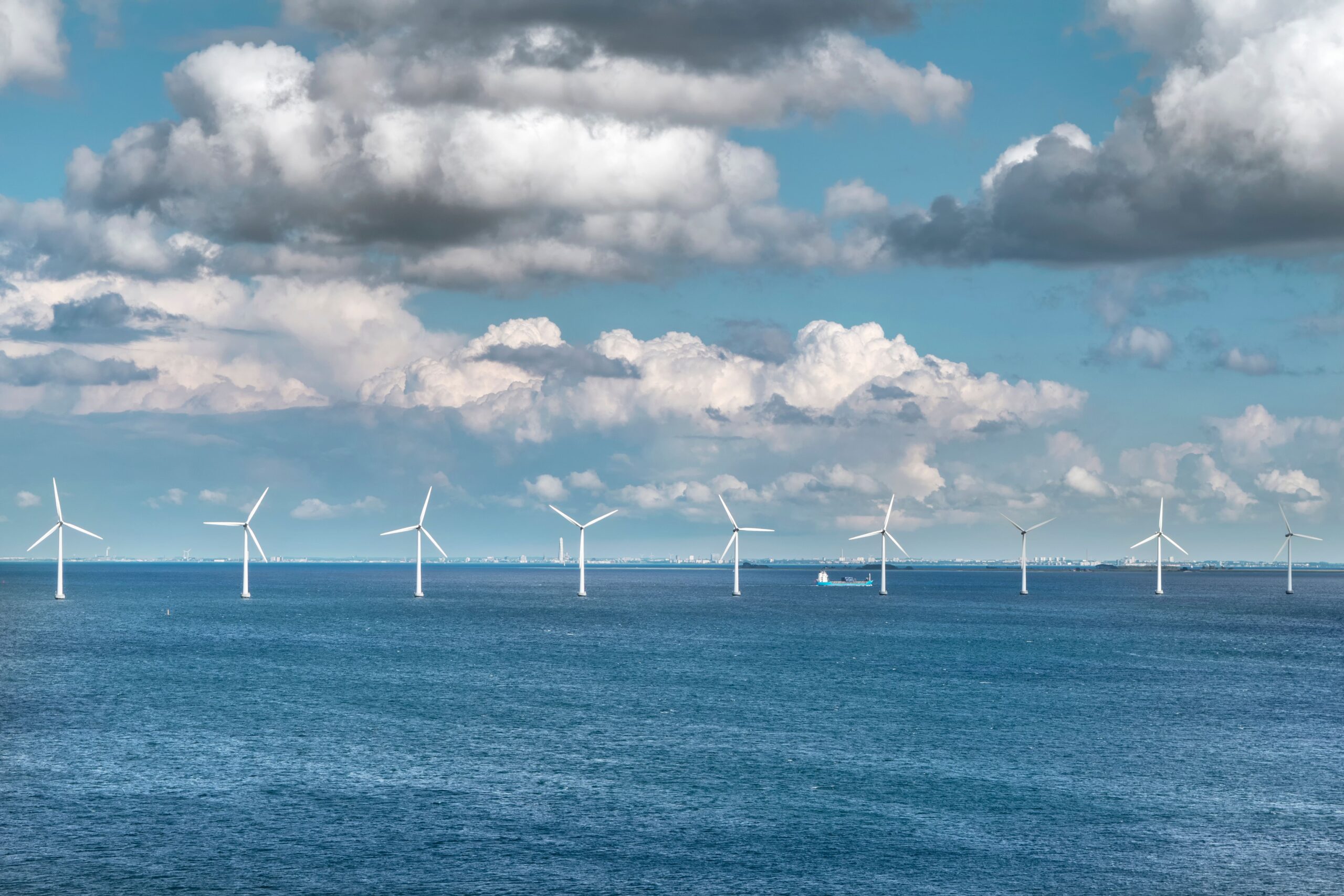
Ecowende has completed the installation of all 52 turbines at its Hollandse Kust West VI offshore wind farm in the Dutch North Sea, moving the 760MW development into the final phase of construction. The last turbine was placed on 30 October, approximately 53 kilometres off IJmuiden. The installation campaign began on 30 May, and the partners are targeting full operation by the end of 2026.
The wind farm uses Vestas V236-15.0MW turbines, with Vestas responsible for supply, installation, and commissioning of the generating equipment. Van Oord transported the turbines from Eemshaven to the offshore site using its installation vessel Boreas. The contractor had previously installed the monopile foundations and inter-array cables, allowing the turbine campaign to follow completed foundation and collection-system work rather than beginning on an undeveloped seabed.
Ecowende generated its first electricity in July, when an initial section of the wind farm was brought online ahead of the remaining turbine installations. The 30 October milestone confirms that the complete set of 52 turbines is now physically installed; Vestas is still responsible for commissioning the machines. The project partners expect full operation by the end of 2026, following electrical, control, and operating checks across the completed array.
Electricity from the turbines passes through the inter-array cable network, which gathers production from individual positions before delivery to the offshore grid connection. Each turbine’s controls must operate with the collection and protection system as the wind farm moves from partial generation to full output. The end of the installation campaign allows testing and operating checks to concentrate on the complete array, although the timing of full operation remains the partners’ year-end target.
Van Oord previously installed the offshore foundations, inter-array cables, and scour protection before transporting turbines from Eemshaven aboard Boreas. Scour protection limits erosion of the seabed around a foundation as currents pass the structure, helping maintain support conditions over time. Completing those underlying works before turbine lifts gave the installation team a prepared set of positions and cable connections. Boreas carried out the transport campaign, while Vestas handled installation and will complete commissioning of the generating equipment.
Each of the 52 Vestas V236 turbines has a 15MW nominal rating, giving 780MW when their individual nameplate ratings are added. Ecowende identifies the development’s installed project capacity as approximately 760MW. Its partners estimate annual electricity production of about 3.3TWh at full operation, equivalent to around 3% of current Dutch electricity demand. The output forecast depends on the site’s wind resource, availability, and operating arrangements rather than a turbine count alone.
Ecowende is owned by a joint venture of Shell, Eneco, and Chubu. Its design includes measures intended to reduce the environmental effects of offshore wind generation while testing whether biodiversity can be supported around installed infrastructure. The project lies near the Brown Ridge, an offshore area designated under the Natura 2000 network, and turbine positions include a wider-spaced corridor intended to accommodate bird movements between the coast and the protected area.
Ecowende has also varied the height of some nacelles to give seabirds more room beneath the rotating blades. Radar systems with AI-based species recognition support an adaptive curtailment regime responding to environmental conditions. Curtailing a turbine changes the period in which its blades rotate, making it a potential operational means of reducing encounters with wildlife. The effect of these measures will be assessed through monitoring during operation.
On seven turbines, one rotor blade is painted red to increase visual contrast against the other blades and the surrounding environment. Ecowende will monitor bird collisions to test whether greater visibility produces the intended benefit. The project has deployed the treatment at full offshore scale, but its effect on collision rates has not yet been established. Results from these trials are intended to inform the design and operation of later offshore wind farms.
Underwater measures include alternative scour-protection designs, additional water-exchange openings at four monopile foundations, and reef structures using old fruit trees at four cable crossings. Oyster nurseries are also being installed with the intention of supporting the recovery of European flat oysters in the Dutch North Sea. These features will be monitored as the project moves into operation, with ecological results expected to develop over time rather than being determined at installation.
Mechanical installation at Ecowende finished on 30 October after a campaign that began on 30 May. Work now centres on bringing the complete turbine array through commissioning while continuing to monitor the ecological features built into the project. The completed foundations, inter-array cables, and installed machines support the partners’ target of full operation by the end of 2026, following first electricity production in July.