IN Brief:
- The US Department of Energy opened a $237m competitive funding opportunity on 30 October.
- Up to $50m supports refurbishment and reuse, while up to $187m backs US-made alternative materials and subcomponents.
- Concept papers are required by 20 November 2026 and full applications are due on 8 February 2027.
The US Department of Energy has opened a $237 million competitive funding opportunity for electricity grid equipment, focused on refurbishing existing assets and strengthening domestic manufacturing of alternative materials and components. Publicised on 30 October 2026, the Grid Supply Chain Alternatives to Lead Energy Dominance (SCALED) competition targets bottlenecks affecting transformers and associated electrical infrastructure. Applicants must submit concept papers by 20 November before the full application deadline in February 2027.
The two funding areas reflect different methods of increasing equipment availability. Up to $50 million is intended for refurbishment and reuse of critical grid equipment and materials, while up to $187 million supports alternative materials and subcomponents sourced and manufactured in the United States. The funding is competitive, and project selection will determine how much of each allocation is ultimately committed. Both areas sit within the Grid SCALED notice of funding opportunity, numbered DE-FOA-0003641.
This competition is the first funding opportunity under a broader Grid Supply Chain Program authorised for up to $375 million. The Department of Energy has identified distribution and power transformers, their constituent materials and other grid equipment as important manufacturing targets. Further opportunities are anticipated in 2027, potentially covering solid-state transformers and common equipment configurations. These are planned programme directions, while the current award process concerns the $237 million open competition.
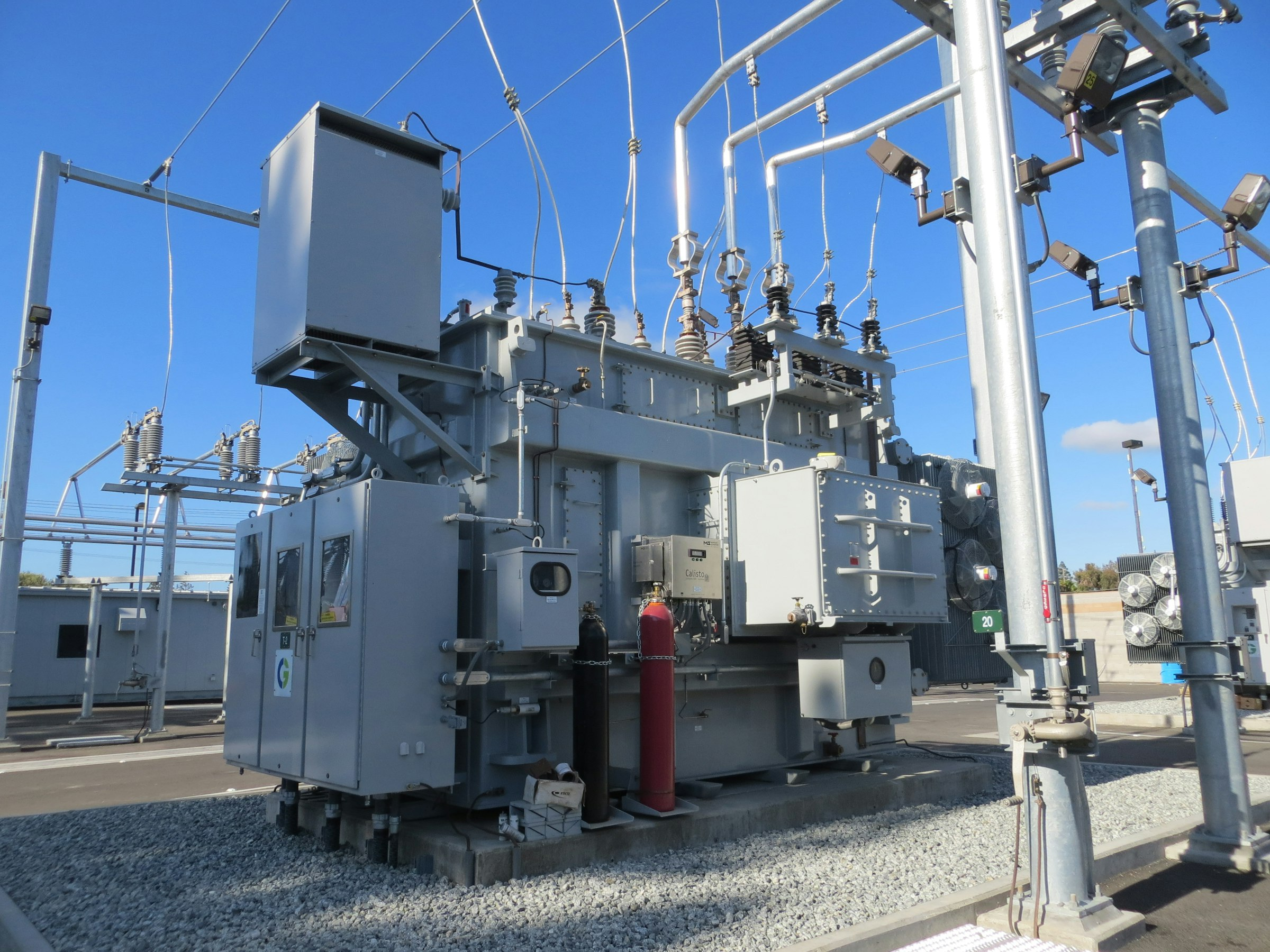
Transformers allow electrical power to be transferred between voltage levels, making them essential both to bulk electricity transmission and to the circuits serving industrial and domestic customers. Their manufacture draws on core materials, conductors, insulation, bushings, cooling components and specialised fabrication equipment. Each stage is linked to inspection and electrical tests before a unit can be delivered. A shortage of any critical input can prevent a completed transformer from reaching a network project on time, even where other construction work is ready.
The refurbishment strand addresses a different route to equipment availability. Depending on the condition and design of an asset, repair or replacement of selected parts can extend its useful life without manufacturing an entire new unit. Decisions must follow inspection, electrical testing and an engineering assessment of remaining performance. Transformer insulation condition, thermal history and mechanical integrity may determine whether refurbishment is practical. Reuse also has to respect the operational rating, fault withstand and installation requirements of the network receiving the equipment.
The alternative-materials strand seeks to expand the choices available to grid-equipment manufacturers. Substituting a conductor, magnetic material or insulating component requires qualification for the relevant electrical, mechanical and thermal service conditions. A material that performs well in one design may require different dimensions, cooling or manufacturing processes in another. The funding opportunity therefore centres on identifying and integrating suitable domestically sourced alternatives rather than treating every substitution as interchangeable with an existing specification.
Production capacity is shaped by more than the availability of a finished component design. A transformer plant also depends on material preparation, tooling, insulation processing, specialist labour, quality systems and electrical test capacity. Expanding any one operation while leaving another constrained can limit the number of complete units delivered. The programme’s manufacturing focus sits alongside its wider objective of supplying electricity networks as demand grows, including the replacement of equipment that has reached its service limits.
The department estimates that the investments could eventually provide around $125 million in annual utility savings and retain approximately $50 million per year of economic activity associated with US-made supplies. Both amounts are forecasts associated with the policy proposal and depend on the projects selected and the equipment subsequently produced or reused. A manufacturer will also need demand from utilities and other customers for the intended products. Those procurement decisions, alongside testing and operating requirements, will determine the practical result of the funding programme.
Concept papers must be filed by 20 November 2026, with full applications due by 8 February 2027. The notice is administered through the Department of Energy’s National Energy Technology Laboratory, and the published opportunity identifies cost sharing as a requirement. Applicants therefore need to establish an eligible technical and financial proposal before any federal support can be awarded. Project selection, negotiations and the delivery of manufacturing capacity will follow the application process.
Further competition rounds are expected in 2027, alongside efforts to develop solid-state transformer technologies and more standardised grid equipment configurations. For the present round, the confirmed steps are a $237 million funding ceiling, two defined technical areas and November and February application deadlines. Subsequent results will be measurable through awarded projects, manufacturing outputs and the qualification of additional equipment or materials for network use.