IN Brief:
- National Grid has agreed to purchase more than 70 acres at Dorman Point, Teesworks.
- A separate outline application seeks consent for a 400kV electricity transmission substation and enabling works.
- Potential data-centre demand is substantial, but the land agreement does not authorise construction or confirm an operating customer.
National Grid Electricity Transmission has agreed to purchase more than 70 acres at Dorman Point on Teesside for a proposed major electricity substation intended to serve industrial development and potential large-scale data centre demand. The land agreement with Teesworks advances the site arrangements for a project identified in local planning documents as a new 400kV transmission substation, while the required planning and delivery decisions remain separate from the property transaction.
The site lies west of Tees Dock Road at Grangetown within the Teesworks redevelopment area, on the south bank of the River Tees. National Grid has been developing its Tees Dock substation proposals as part of investment in the high-voltage network. The 400kV designation identifies the intended transmission voltage; the capacity available to customers will depend on the final equipment configuration, the wider network and agreed connection arrangements.
An outline application submitted to Redcar and Cleveland Borough Council on 24 September covers construction of the substation, a temporary connection arrangement, enabling works, a construction compound, internal access, parking, drainage, landscaping and associated development. The application is recorded under reference R/2026/0711/OOM, with all matters reserved and consultation scheduled to close on 11 November. As at 1 November, the planning register shows the application as valid and without a decision.
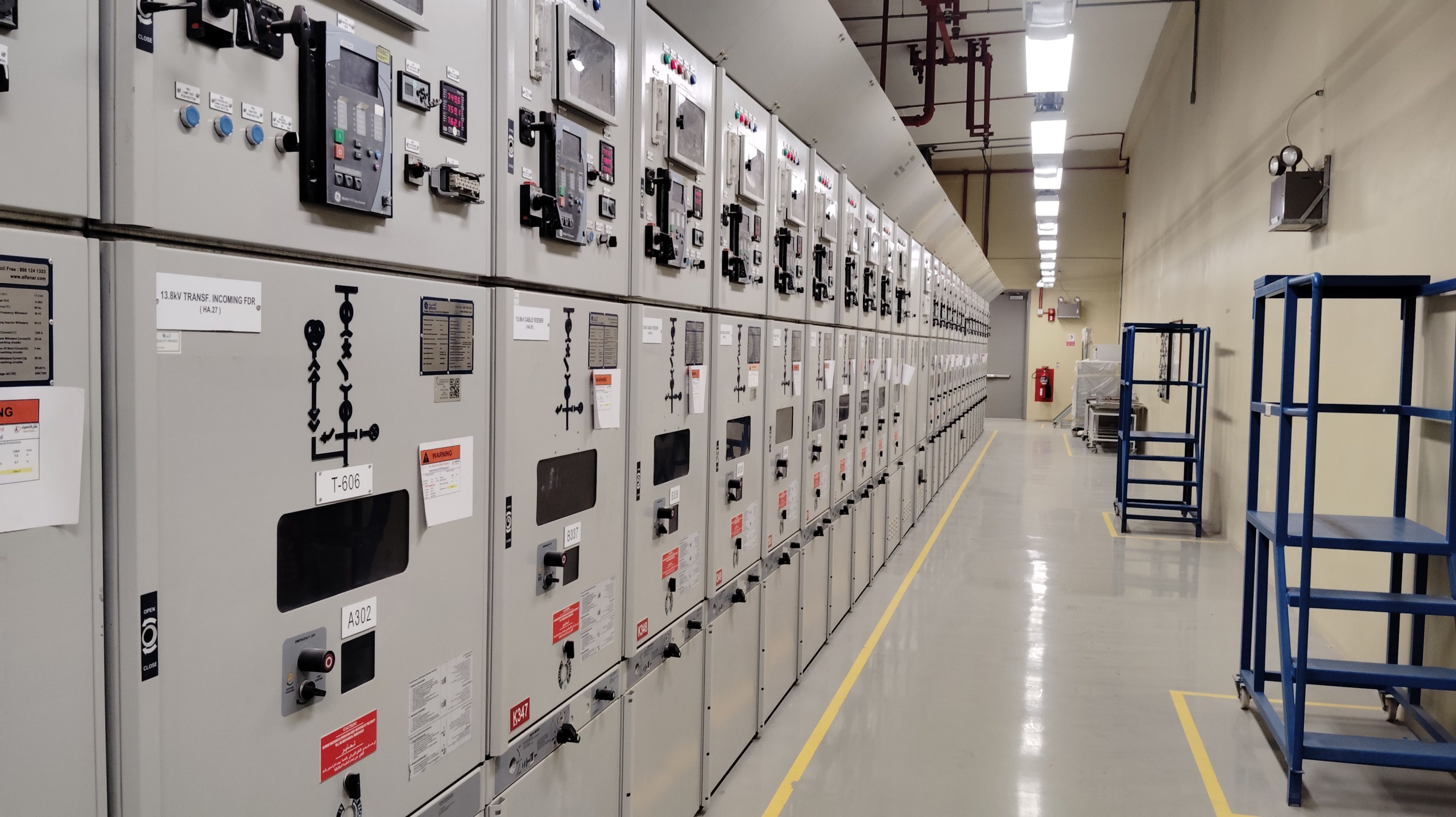
A new 400kV transmission substation would provide switching and protection interfaces between high-voltage circuits and connected networks or customers. Depending on its approved configuration, the facility could incorporate circuit breakers, disconnectors, protection relays, busbars and transformers to control power flows and isolate faults. The site layout and the final equipment schedule must be coordinated with the available transmission capacity and with the connections required by future customers. Detailed design and subsequent authorisations will determine its ultimate capability and energisation sequence.
The prospective customer demand is substantial. Teesside has been associated with proposals for a large data centre campus, and Tees Valley mayor Ben Houchen has referred to an ambition for up to 3.2GW of capacity on the site. The deliverable supply will be determined through network design, customer connections and investment decisions. The sequence of grid works will also have to match development of the facilities that would use the electricity.
Grid connection design for a large data centre must address available transmission capacity, the interface with the customer’s distribution equipment and the arrangements for fault protection and switching. Such developments also need coordinated construction and commissioning programmes across the upstream network and downstream electrical installations. The connection studies must assess fault levels and operation following the loss of a circuit or transformer, so that protection settings and capacity remain coordinated as the new substation and customer installations are energised.
Steel River Power operates private electricity infrastructure across the wider Teesworks estate and is expected to be involved in coordinating the proposed development. The network business is a joint venture involving Steel River Energy and North West Electricity Networks, within the Iberdrola group. Balfour Beatty has been identified as a prospective construction partner; the contractor package remains to be agreed as the project progresses.
Teesworks covers approximately 2,500 acres of former industrial land, and preparations for new infrastructure also depend on remediation and site readiness. Teesworks chairman Chris Musgrave has identified land preparation and handover as the next tasks following the agreement. Those activities can influence access, construction sequencing and the practical integration of new electricity infrastructure with ongoing industrial operations across the wider estate.
The planning history includes a July request for an environmental impact assessment screening opinion for the proposed 400kV substation. On 8 September, Redcar and Cleveland Borough Council determined that a full environmental impact assessment was not required under that screening procedure. The separate outline planning application remains undecided, and the detailed design and necessary authorisations must be resolved before major construction proceeds. The land deal fixes the intended location while those planning and engineering tasks continue.
The council’s outline application is open for consultation until 11 November, with the determination and subsequent detailed approvals still to come. Teesworks must also prepare the land for handover, and the network project requires confirmed delivery arrangements and electrical connection design. These steps will establish when the proposed 400kV substation can be constructed and energised to serve new industrial and data centre demand at the former steelworks site.