IN Brief:
- Fortius Offshore Wind and Fram Wind Solutions have been awarded conditional support totalling NOK 3.94bn.
- The projects envisage four 18.5MW floating turbines at METCentre, testing foundations, moorings, installation and operation.
- The developers expect construction and demonstration activity over five years, with funding dependent on delivery.
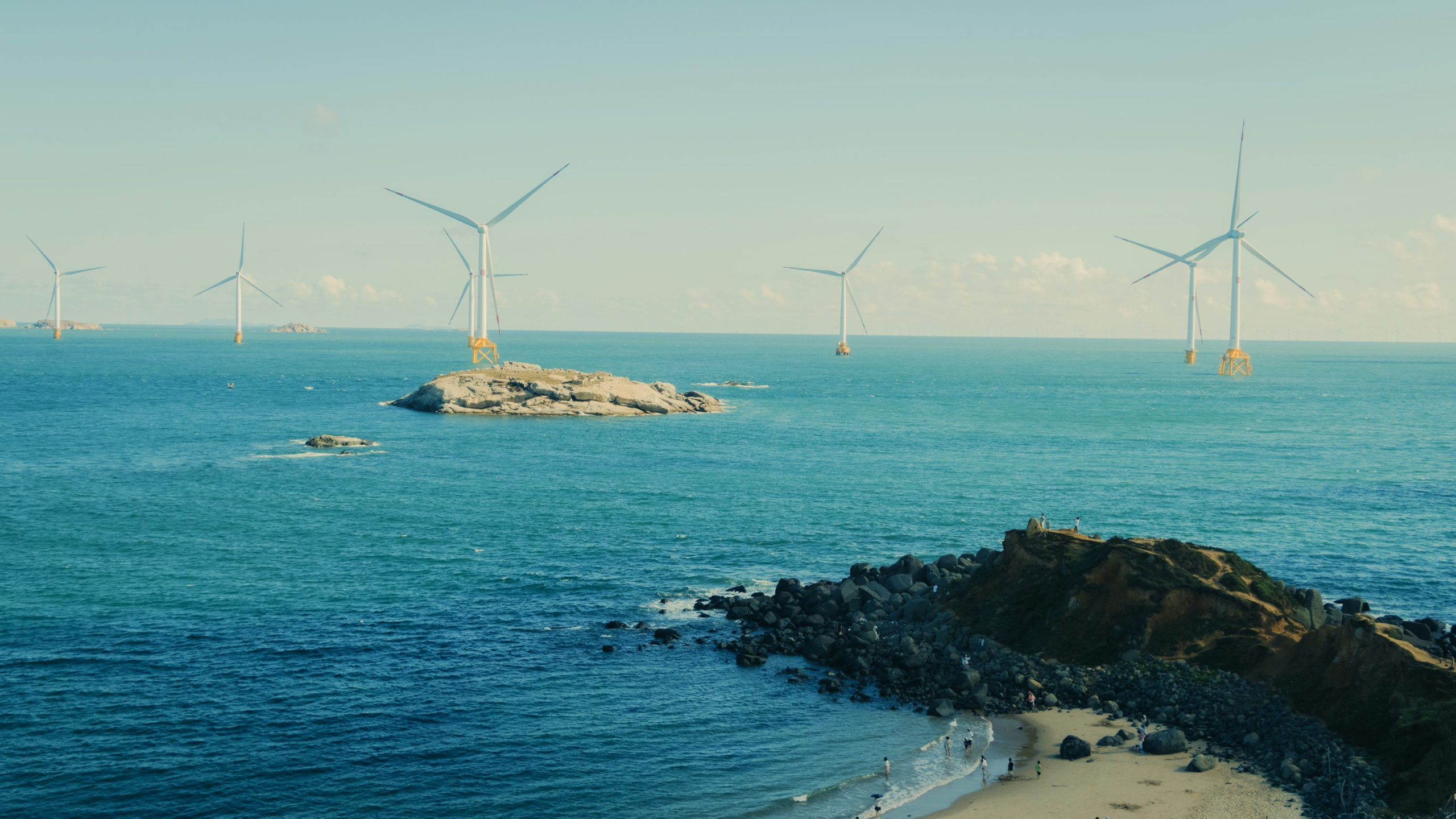
Enova has allocated NOK 3.94 billion in conditional funding to two floating offshore wind demonstration projects near Karmøy on Norway’s west coast, supporting the installation of four large turbines over the next five years. Fortius Offshore Wind and Fram Wind Solutions will each develop a two-turbine project at the METCentre test area in Rogaland, where engineering teams will assess floating foundations, anchoring arrangements and methods of building and operating offshore installations.
Fortius has been allocated NOK 2 billion and Fram Wind Solutions NOK 1.94 billion. Enova will release the support only if the respective projects are carried out, distinguishing the award from an unconditional payment for installed capacity. Each planned turbine is rated at 18.5MW, giving the two installations a combined nameplate capacity of 74MW. Enova estimates that, once operating, the four machines could produce 300 million kilowatt-hours of electricity annually, comparable with the consumption of approximately 15,000 households.
The projects are intended to demonstrate technologies at a scale closer to prospective commercial floating wind farms than smaller experimental devices. Large offshore turbines must transfer substantial rotating machinery and aerodynamic forces through a support structure that moves with waves and wind. A floating foundation therefore needs sufficient stability to keep the turbine within its operating envelope, while the mooring arrangement must restrain the platform without imposing excessive dynamic loads on its structure and connections.
Foundation design, anchoring and offshore installation are among the specific areas Enova wants the projects to investigate. A change in foundation geometry can alter fabrication requirements, towing behaviour and the loads transmitted into mooring lines, while the anchoring design influences the number and complexity of operations needed offshore. The demonstrators will provide opportunities to evaluate those interfaces during construction and across different sea states after installation. Operational work will also examine the access and maintenance procedures required to keep the turbines available for generation, alongside the material and vessel requirements of the initial build.
Fixed-bottom offshore turbines generally use foundations attached to the seabed, while floating turbines rely on buoyant structures held in position by mooring systems. The floating approach can extend wind generation into deeper waters, but the foundations, anchors and installation methods add demanding marine operations to the construction programme. The two Karmøy projects will test how those operations can be designed and repeated more economically using full-sized turbines.
Enova selected the two projects through a competitive process that considered prospective electricity production relative to each krone of public support. It also assessed whether the technology could be used more widely, the expected carbon footprint, biodiversity effects and the prospects for lower costs. Manufacturing, deployment and servicing requirements were therefore considered alongside the electrical output the demonstrators are expected to achieve.
The METCentre location provides a dedicated setting for testing offshore power technologies outside Karmøy. Both developers plan to install their turbines within five years. Engineering design, fabrication contracts and offshore installation plans will determine the sequence of construction and energisation, after which operating data can be gathered under changing wind and sea conditions. Support payments are conditional on the projects being carried out, tying the public award to delivery rather than an upfront transfer.
Norway’s maritime engineering base and access to wind resources in deep offshore waters underpin its interest in the technology. Enova has also examined the wider market outlook for floating wind, citing assessments from industry participants that generation costs could eventually approach NOK 1 per kilowatt-hour if the technology achieves successful international deployment. That figure is a prospective industry estimate rather than a demonstrated tariff or an output guarantee from the Karmøy projects.
Europe and Asia are pursuing several floating-foundation and mooring designs, creating an opportunity to compare performance as larger turbines enter the water. The Karmøy installations can provide evidence on assembly, towing, anchoring, cable interfaces and maintenance access using machines of the size contemplated for commercial wind farms. Repeated operations across a fleet may favour a foundation that needs fewer specialist vessels or simpler maintenance even if its initial fabrication is not the cheapest option.
Fortius and Fram Wind Solutions now have conditional allocations of NOK 2 billion and NOK 1.94 billion respectively, with four 18.5MW turbines planned at METCentre. The next milestones are detailed engineering, contracting, fabrication and offshore installation over the five-year programme. Once generating, the turbines will provide operating records against which the developers can assess construction methods, equipment availability and maintenance costs.