IN Brief:
- Türkiye’s environmental authority began review of the Tufanbeyli project EIA report on 20 October 2026.
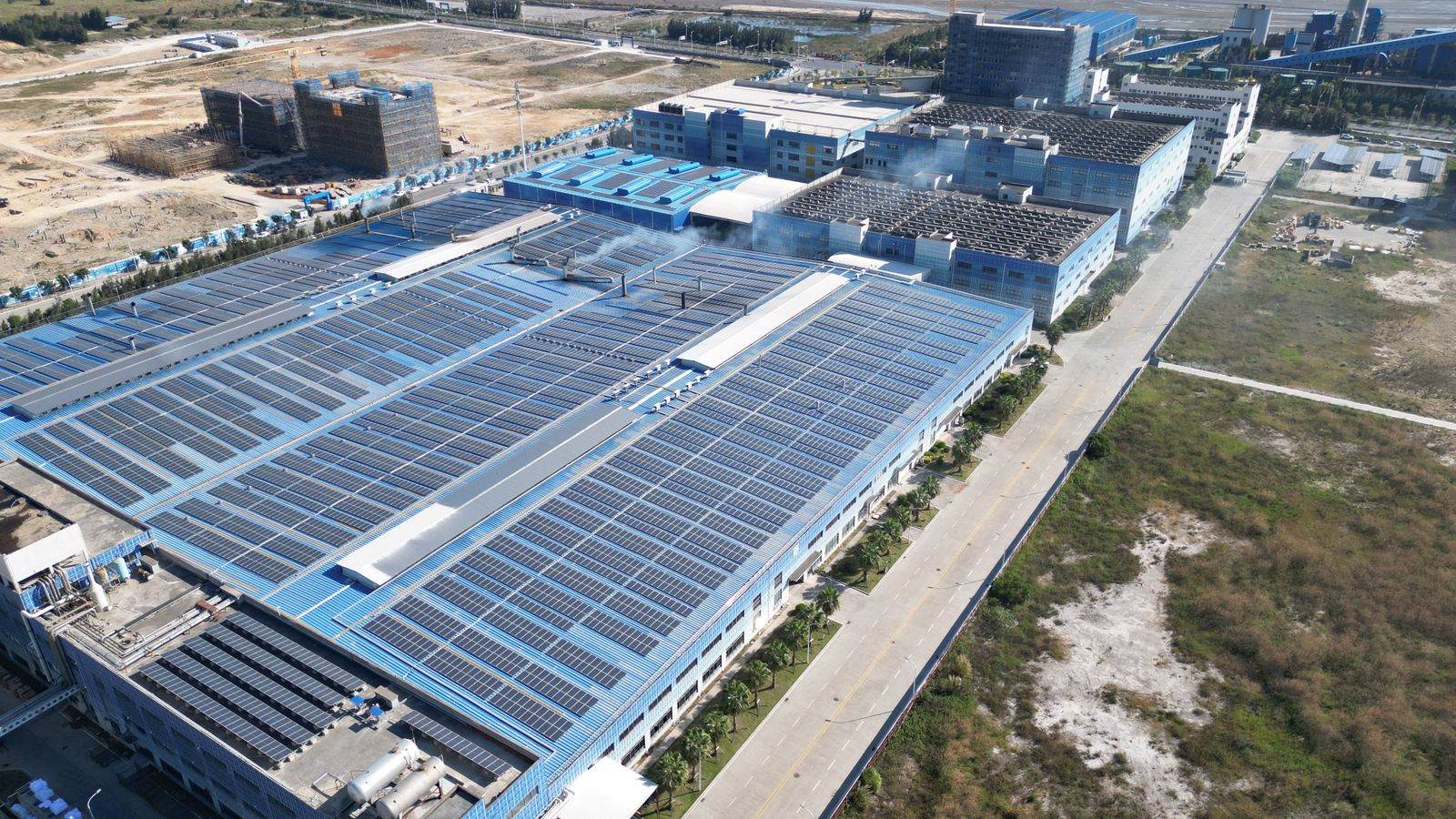
- The proposed off-grid development combines a 30 MW solar park with 40 MWh of battery storage across 63.01 hectares.
- The review commission is scheduled to meet on 18 November; construction and commissioning are not confirmed.
Enerjisa Üretim has reached a further environmental assessment stage for a proposed 30 MW off-grid solar and 40 MWh battery installation serving mining activities at Tufanbeyli in southern Türkiye. The country’s environmental authority announced on 20 October 2026 that the submitted environmental impact assessment report had entered formal examination and evaluation. A review commission meeting is scheduled for 18 November. The latest development concerns regulatory scrutiny of an existing proposal, not the start of construction or the award of final environmental clearance.
The installation is planned within a 63.01-hectare area in the Tufanbeyli district of Adana province, near the company’s lignite-fired thermal generating complex. The solar plant would operate independently of the public electricity grid, with batteries providing energy storage alongside photovoltaic production. The proposal is intended to support electricity consumption from mining operations that supply the thermal station, rather than to add 30 MW of export capacity to Türkiye’s wider transmission system.
The project has been in development for several months. Its environmental assessment process began in July 2026, when application documents set out an investment estimate of approximately TRY 438 million. The full environmental impact assessment subsequently progressed to the examination stage announced in October. Presenting the scheme as a completely new late-October investment would obscure that earlier process. Its current significance lies in moving through a further formal review step ahead of the November commission meeting.
Energy engineering at the site centres on supplying a defined industrial load through a combination of solar generation and battery storage. The 30 MW figure refers to the proposed photovoltaic system’s generating power, while 40 MWh describes the amount of electrical energy the batteries could store. Those measures are not interchangeable: the battery’s rated discharge power has not been established in the information reviewed, so a reliable full-power discharge duration cannot be calculated from the energy figure alone.
An off-grid configuration also creates different operating requirements from those of a solar farm exporting into an interconnected electricity network. Mining equipment can require large bursts of electrical power during starting, loading and movement, while solar generation varies with weather and time of day. The resulting electrical system would need coordinated converters, battery management, load controls and protection to keep the local supply stable. The project description does not specify additional on-site generation or backup arrangements. The environmental assessment remains under review, and the planned equipment has not been commissioned.
Earlier project specifications described 61,368 photovoltaic panels rated at 540 Wp and ten inverter units rated at 3,000 kWe each. These figures help explain the planned solar architecture, although the physical installation will ultimately depend on approved engineering and procurement decisions. The proposed land area and battery capacity are therefore useful measures of project scope, but they are not evidence that all equipment has been ordered or that groundworks have started.
Tufanbeyli already hosts a 450 MW lignite generating facility commissioned in 2016. The proposed solar-and-storage scheme is linked to operational changes in the associated mine, including plans for more electrically powered excavation and haulage equipment. That context matters because the new renewable installation is intended to reduce the mine’s dependence on conventional energy inputs, even while the main thermal station continues to rely on lignite as its fuel. The developer has not demonstrated that the new scheme would make the station itself renewable or eliminate emissions from the wider operation.
The transition to electric mining equipment would place a different demand profile on the local power supply. Battery charging arrangements, solar variability and the operation of mobile machinery must be managed together to avoid equipment downtime. A site-level energy management strategy could decide when batteries are charged and which activities receive priority during periods of limited solar production. These are design requirements arising from the proposed configuration, not measured performance results from a completed facility.
A further review meeting on 18 November will form the next identified regulatory milestone. The proposal envisages installation within approximately one year, but such a schedule remains conditional on approvals, detailed engineering and execution. For now, the project demonstrates how industrial operators are examining dedicated photovoltaic generation and electrical storage to support high-demand site activities. The confirmed October development is regulatory progress, while actual construction, battery operation and verified emissions savings remain ahead.