IN Brief:
- Invinity has proposed a subscription and institutional placing targeting at least £20 million gross, plus a separate retail offer at 10p per share.
- Proposed allocations are £10 million for development and cost reduction, £8 million for working capital and £2 million for UK and US manufacturing capacity.
- National Wealth Fund participation and the succession of Volker Beckers as chair are expected, not completed; AIM trading entered a Capital Access Window on 19 October.
Invinity Energy Systems has proposed raising at least £20 million in gross proceeds to fund development, working capital and manufacturing investment for its vanadium flow battery business. The AIM-listed company announced on 19 October that it intends to pursue a subscription and an institutional placing, with a separate retail offer, at an issue price of 10 pence per new ordinary share. The proposals remain conditional, including on shareholder approval. Neither completion of the fundraising nor receipt of its intended proceeds had been confirmed in the announcements available on 19 October.
In a further regulatory statement issued later the same morning, Invinity set out how it plans to allocate the minimum £20 million. Approximately £10 million would go towards development and product cost reduction, £8 million towards working capital, and £2 million towards manufacturing capacity in the UK and United States. These amounts are proposed uses of gross proceeds rather than expenditure already made. The company did not announce a named new production line, confirmed output increase or commissioned factory expansion within the manufacturing allocation.
The National Wealth Fund, which Invinity said owns approximately 19% of its issued share capital, is expected to participate in the fundraising. That statement does not establish a completed subscription, a final individual commitment or the fund’s future percentage holding. Invinity cited indications of interest from both existing and potential new investors, with further transaction details and shareholder documentation to follow. Its planned capital raising cannot be treated as funding already available to fulfil customer equipment orders.
Trading in Invinity’s ordinary shares was temporarily suspended under an AIM Capital Access Window from 07:30 BST on 19 October while the fundraising process proceeded. The exchange mechanism concerns access to capital and the company’s securities; it is not a suspension of vanadium flow battery manufacture, deployment or operation. The Capital Access Window and proposed issue price also do not establish the number of shares ultimately placed or the final ownership structure.
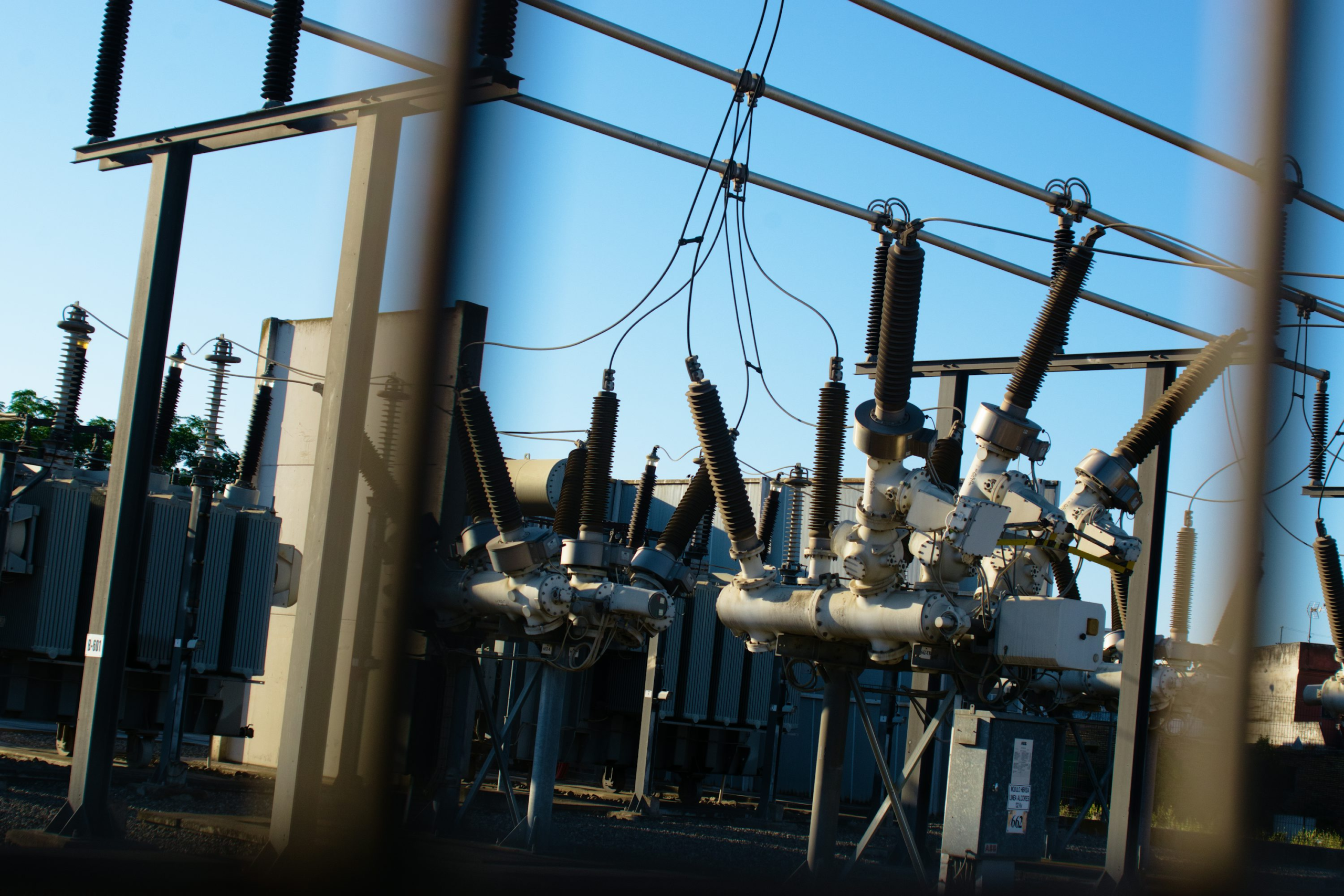
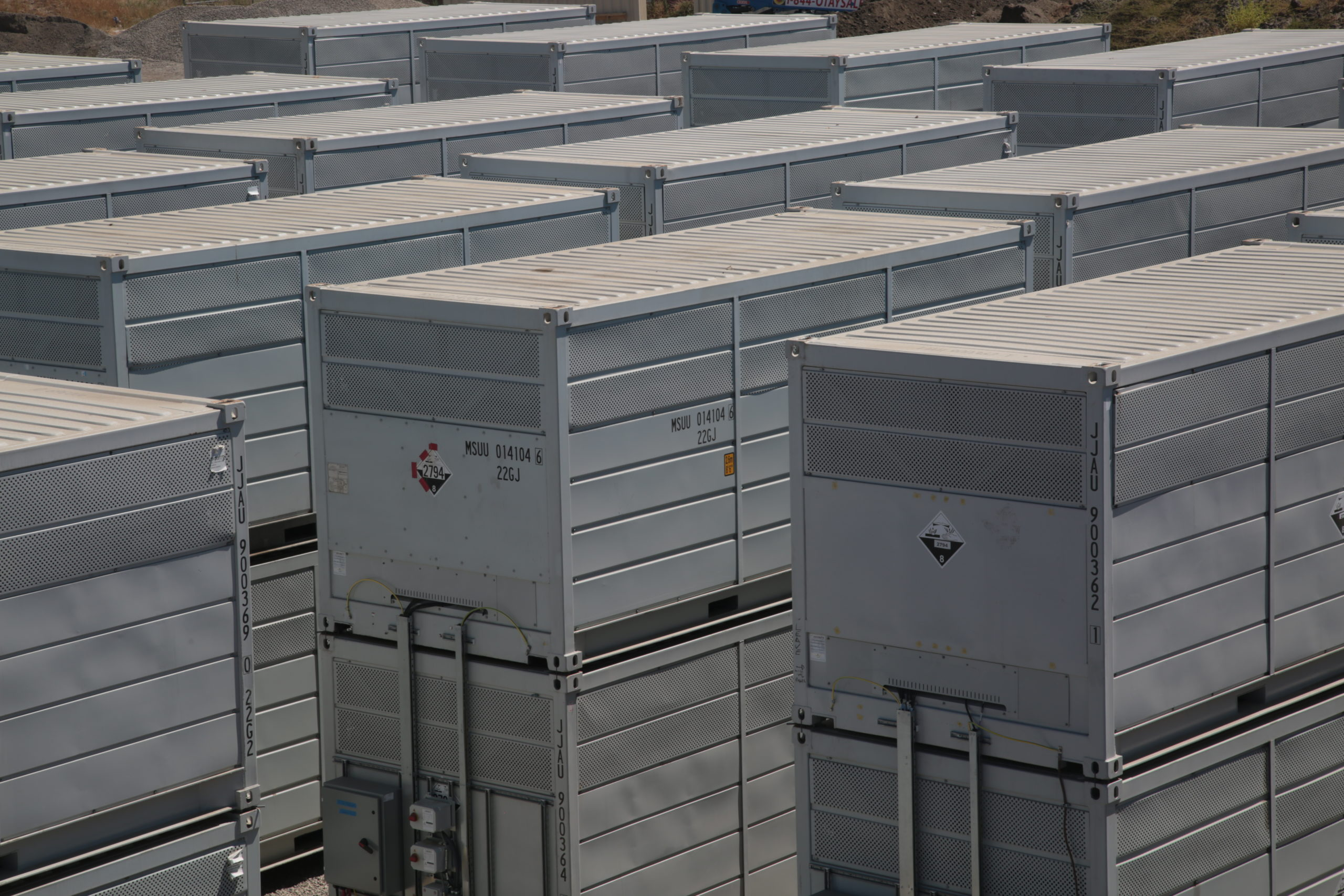
Vanadium flow batteries store electrical energy in liquid electrolytes containing vanadium ions at different oxidation states. The electrolytes circulate through electrochemical cell stacks, where charge transfer takes place during charging and discharging. Pumps, tanks, power conversion equipment and monitoring systems form part of a complete installation. Because much of the stored energy sits in external electrolyte reservoirs, changing storage duration can involve increasing electrolyte volume and tank capacity rather than proportionately increasing the number of cell stacks.
The separation of cell-stack power capability from externally stored electrolyte energy helps explain the technology’s potential for applications requiring repeated charging and discharge over several hours. Longer discharge duration generally calls for a larger energy inventory, while greater rated power also requires appropriate stack and power conversion capacity. Pumps and other auxiliary equipment consume electricity, and performance depends on temperature, flow control, membrane and stack characteristics, installation design and maintenance. Those physical constraints remain relevant even where a manufacturer advertises very high lifetime cycling capability.
Invinity’s Endurium family is designed for utility-scale and commercial applications where storage may be used repeatedly to absorb power and supply it later. Further cost reductions could depend on cell materials, repeatable stack manufacture, electrolyte handling, power electronics integration and more efficient assembly. The company has not apportioned the proposed £10 million among these individual engineering activities, however. The stated commitment is to accelerate development and lower product cost, not to fund a publicly itemised redesign of a specific component.
Working capital has a different function. Delivering grid batteries requires purchasing cell and balance-of-plant components, preparing equipment for dispatch and funding the business between manufacturing and customer payment milestones. Invinity’s proposed £8 million allocation would support general working capital needs, but the October statement does not identify the precise contracts, receivables or stock holdings involved. Prospective finance does not by itself show that any additional customer project has been manufactured, energised or accepted.
A separate installed Invinity flow battery has delivered more than 1 GWh of cumulative energy throughput, an operational milestone disclosed in October. Lifetime throughput records electricity supplied across repeated cycles, not the energy capacity available in one discharge, and it does not establish a new sale or capital receipt. The 19 October development concerns proposed financing intended to support future battery engineering and supply capability.
Invinity has also selected Volker Beckers CBE to succeed Neil O’Brien as non-executive chair, with the appointment expected to take effect after the proposed fundraising completes. The succession had not taken effect in the 19 October statement. The next evidence will be final fundraising terms, shareholder decisions and confirmation of money raised, followed by measurable product and manufacturing milestones. The £20 million and its intended allocations remain prospective until the financing conditions have been met.