IN Brief:
- Foresight Energy Infrastructure Partners II has invested an undisclosed amount in Gilkes Energy’s consented Earba project in the Highlands.
- Earba is designed for 1.8 GW of generating output and approximately 40 GWh of stored energy, equivalent to about 22 hours at full output.
- The commitment finances development and preparation; Ofgem’s cap-and-floor process was at minded-to stage on 19 October.
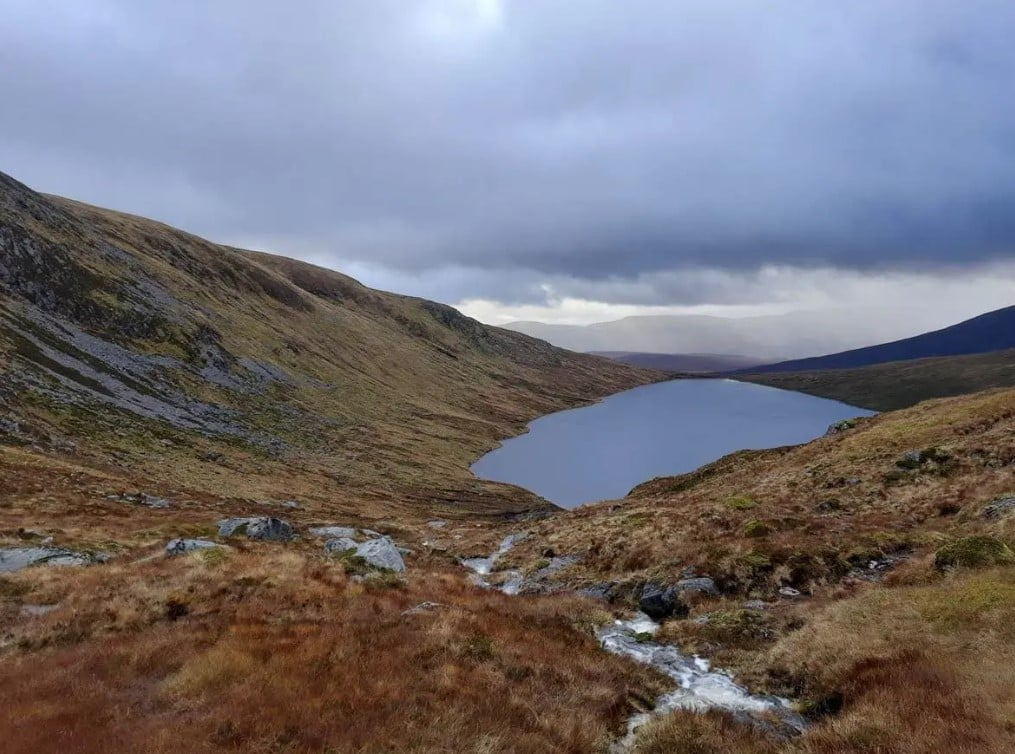
Foresight Group, through Foresight Energy Infrastructure Partners II, has invested an undisclosed amount in Gilkes Energy’s Earba pumped-storage hydro scheme in the Scottish Highlands. Announced on 19 October, the commitment will fund work on detailed engineering, procurement, site investigations and preparation for construction of the proposed 1.8 GW/40 GWh development. Neither a final construction funding package nor a start-of-operations date has been announced. The investment moves a consented scheme further through development rather than putting generating plant into service.
The project at Loch Earba is designed to export power at up to 1.8 GW for approximately 22 hours, equivalent to roughly 39.6 GWh of energy at full rated output and consistent with the stated 40 GWh capacity after rounding. Its gigawatt rating describes the rate at which power could be supplied, while gigawatt-hours measure the planned stored energy available across a discharge cycle. Actual operation will depend on reservoir head, equipment performance and dispatch limitations established in the final design.
Pumped-storage hydro stores energy by using electric pumps to lift water into a higher reservoir and releases it through turbines when power is needed. The vertical separation between reservoirs creates the hydraulic head that can drive generators. Energy is lost through the pump and turbine machinery, generators and water passages, so the electricity returned to the grid is lower than the amount consumed while pumping. Engineering design must therefore account for operating efficiency as the water levels and flow conditions change.
Long-duration hydro storage can shift surplus electricity into periods of lower renewable output or higher demand despite those round-trip losses. Earba’s proposed 22-hour discharge duration would sustain a given output much longer than a two- or four-hour battery with the same power rating, although both technologies can have different response and operating characteristics. Future dispatch will depend on the water available, reservoir constraints, market conditions and the system operator’s needs rather than the nominal energy figure alone.
Gilkes Energy secured Scottish Government consent for Earba in 2025, making the scheme one of the largest consented pumped-storage projects in the UK. Planning permission is not equivalent to a completed detailed engineering design or a construction contract. The present investment addresses work still needed between those milestones, including ground investigations, equipment procurement planning and preparation for a build that would involve substantial civil engineering, hydraulic plant, electrical equipment and grid interfaces.
The early technical programme will need to refine the layout and performance of water conveyance systems, turbine-generator arrangements and connections to the transmission network. Pumped-storage projects depend on carefully assessing excavation conditions, water movement, hydraulic transients and turbine operating ranges. Construction logistics at a remote Highlands site also affect programme and cost, particularly where large electrical or mechanical equipment must be delivered and installed. The latest announcement identifies planned investigations and preparation; it does not specify a final machinery supplier or an approved construction timetable.
Ofgem included Earba in its provisional selection under the first application window of the long-duration electricity storage cap-and-floor framework. The regulator had not announced a final award for Earba by 19 October. Designed for eligible long-life storage infrastructure, the framework proposes a revenue floor alongside arrangements to share returns above a cap, helping address financing uncertainty while limiting excess payments from consumers. The regulator still has to resolve the final eligibility and support terms through its own process.
Foresight’s private investment and Ofgem’s prospective revenue-support framework address different funding needs. The former advances investigations and development activities before construction, while a final cap-and-floor decision could affect confidence in a much larger, long-life capital commitment. Additional equity, borrowing, equipment procurement and construction contracts may remain necessary. Market reporting on 19 October placed Ofgem’s anticipated final decision in autumn 2026; the evidence reviewed contains no final award that would justify describing Earba as having secured definitive regulatory support.
Foresight describes the investment as providing capital and longer-term backing through its second energy infrastructure fund. Gilkes Energy remains the named development partner. The scale of the project gives it potential to supply sustained flexibility alongside shorter-duration storage, demand response and other dispatchable generation, but its performance in a future power system will depend on the eventual design, grid connection and commercial operating arrangements. Estimates of homes notionally supplied by the project are illustrative comparisons rather than a commitment to serve a fixed number of households at all times.
Detailed investigations, equipment selection and a completed delivery and financing plan remain ahead of Earba. The project is consented but has not yet reached commercial construction or operation. Foresight’s funding provides capital for these preparatory stages, while its proposed 1.8 GW generating rating and 40 GWh storage capacity remain design specifications to be demonstrated through future commissioning and operation.