IN Brief:
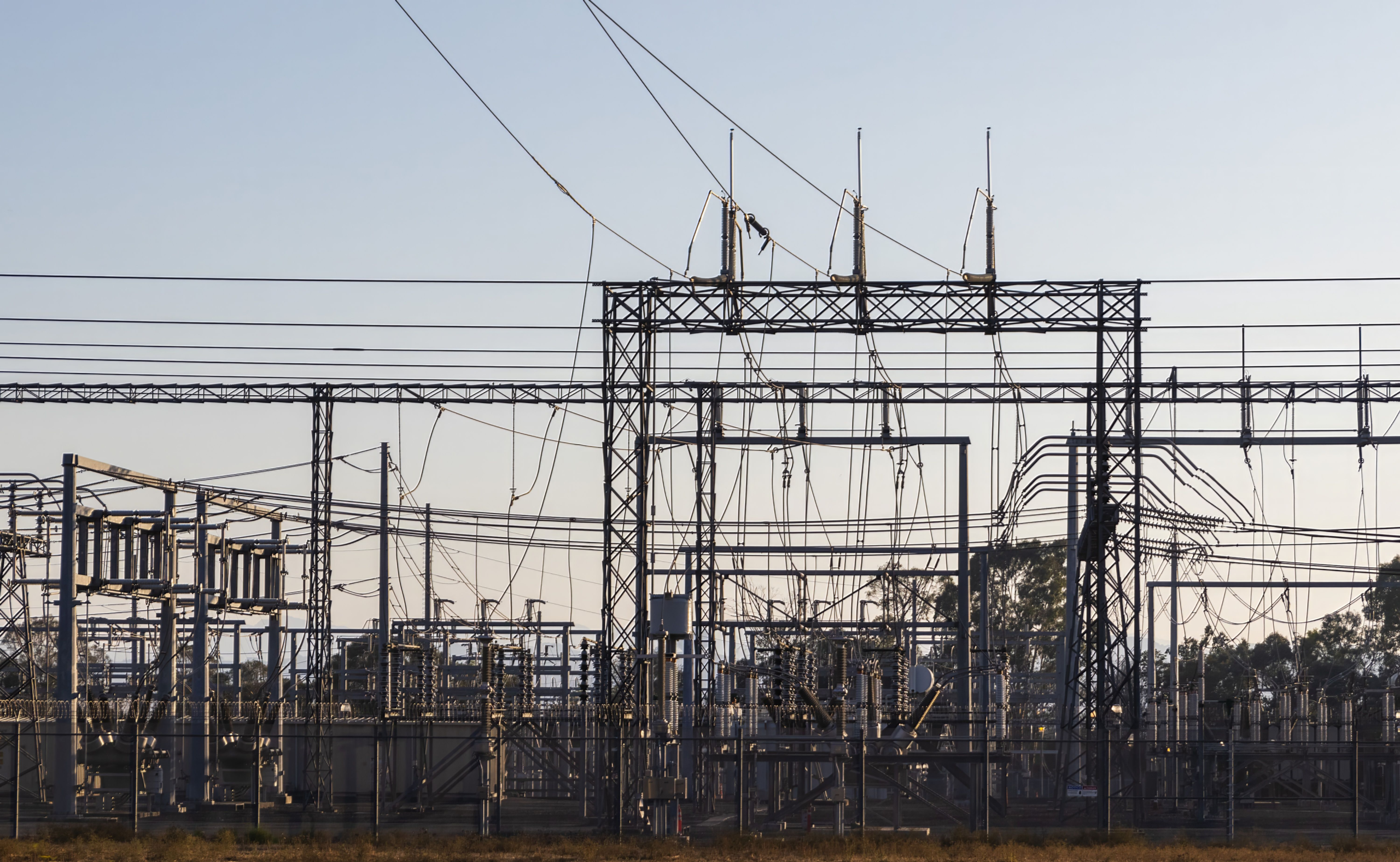
- The Hechtsheim project includes expansion of 110 kV air-insulated switchgear and installation of a replacement control and operations building.
- Two linked overhead line routes require alteration across a section involving eight existing towers and about 1.5 km of corridor.
- Three tender lots cover the substation, overhead line works and temporary cable provision while existing equipment remains in service.
Mainzer Netze has opened an EU-wide construction tender to expand its 110 kV Hechtsheim substation in Mainz and modify two connected overhead lines. Published on 19 October 2026 under notice 719289-2026, the procurement covers three work packages with tenders due by 20 November. Mainzer Netze says the existing network has reached a capacity constraint. Contractors must plan much of the work around operating infrastructure, rather than assuming the substation and surrounding circuits can simply be shut down.
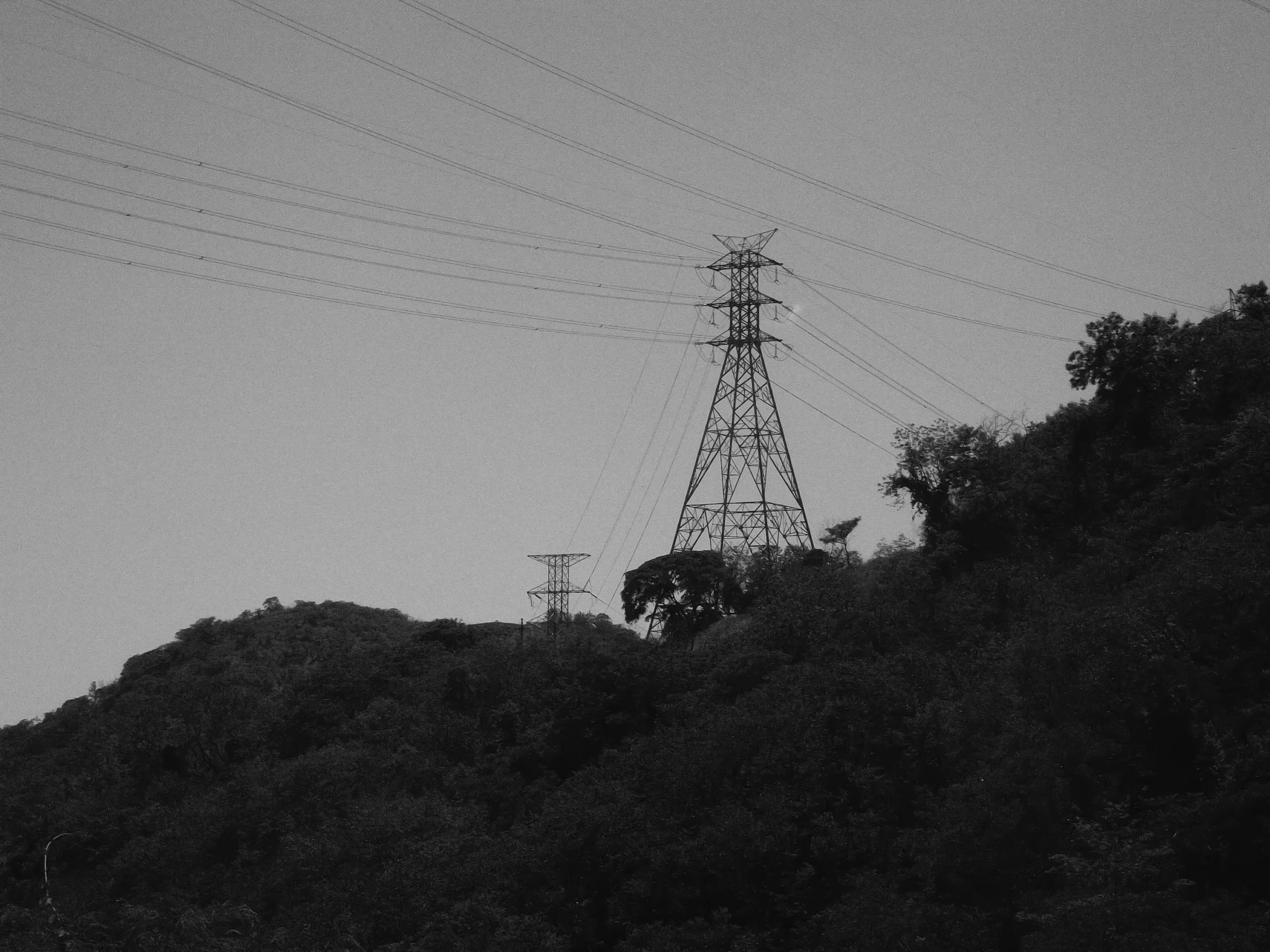
The project is centred on Hechtsheim’s existing substation on Justus-von-Liebig-Straße and the Bretzenheim–Hechtsheim and Hechtsheim–Laubenheim overhead lines. A section of eight existing masts extends roughly 1.5 km west and south of the site. Mainzer Netze wants greater power transfer capability on the linked circuits, but the notice does not set out a final capacity increase in megawatts or megavolt-amperes. Those limits will depend on the approved equipment, line design and operating arrangements after commissioning.
Lot one covers the 110 kV switchgear renewal and expansion, an operations building, secondary systems, auxiliary electrical supplies, infrastructure and removal of redundant plant. The tender identifies air-insulated switchgear and relocation of existing secondary equipment into the new building. Switching equipment and the protection, control and communications systems that govern it must be treated as an integrated installation, particularly while some existing bays remain energised. The tender describes the works to be procured, not an installation already complete.
Switchgear bays connect and isolate high-voltage circuits through breakers, disconnectors, measurement equipment and earthing arrangements. Their protection and control systems detect faults, enforce interlocks, issue trip commands and exchange operational signals with the network operator. A physical bay cannot enter normal service until those secondary functions and the primary plant have been tested together. Where old controls are moved into new accommodation, cable identification, relay settings, communications links and commissioning sequence become particularly important to avoid inadvertent loss of service.
The overhead-line package provides for construction, reinforcement, modification and removal of masts and circuits, including corrosion protection. The linked 110 kV lines date from the mid-1960s, and the notice identifies loading and capacity constraints on the affected section. It does not claim that every existing support will be replaced: the final works involve different treatments at different mast positions. Engineering will have to account for increased conductor forces, span clearances and the interfaces with the expanded substation portals.
An overhead conductor’s usable rating is bounded by its thermal characteristics and the clearances maintained at operating temperature. Higher electrical loading also changes the duty on line terminations and connected switching equipment. Reinforcing masts without checking conductors and substation bays would leave part of the capacity problem unresolved. Equally, changing several adjacent line sections while circuits are in operation requires closely controlled temporary configurations and outage plans, with electrical safety governing the order of work.
Lot three requires the supply, hire, installation, operation and removal of a temporary high-voltage construction cable. This can provide a provisional route for electricity while permanent plant is altered, although the actual switching and bypass arrangements will depend on the contractor’s accepted design. The cable requires suitable insulation, current rating, mechanical protection, terminations and fault protection. Its presence in the tender is consistent with the requirement to maintain operation of existing assets unless a particular work package explicitly permits an outage.
Keeping power available during construction creates interdependencies between the three lots. A temporary circuit has to be installed and tested before any associated permanent circuit is disconnected; restored or replacement equipment then needs to be commissioned before the temporary arrangement can be dismantled. Construction near energised assets demands controlled access and electrical clearances, while protection settings and remote-control interfaces must reflect the configuration actually in service at each stage.
The tender requires evidence of relevant contractor experience. The switchgear lot includes two comparable references for work on equipment at 110 kV or above, each with a net value of at least €3 million, and stipulations covering live-site work and secondary protection. Different reference requirements apply to the overhead line and provisional cable packages. The €3 million threshold is a bidder qualification condition for previous projects, not a valuation of the new Hechtsheim programme.
Some commercial tender listings carried dates of 15 or 16 October, but EU notice 719289-2026 is formally dated 19 October. Bids are due on 20 November, while the delivery programme will be established through contractors’ schedules and the subsequent agreements for each lot. No final contract award, budget or commissioning date is established by publication of the notice. Earlier technical planning for the overhead modifications also does not mean the 2026 construction contract has been let.
Hechtsheim’s next stage is the competitive selection of contractors for switchgear expansion, line reinforcement and temporary cable services. A future capacity uplift will depend on the commissioned configuration and the limits of the adjacent grid. Until the procurement is concluded and the works are tested, the engineering scope is defined but the upgraded substation and circuits are not yet operating.