IN Brief:
- The combined Castel Favorito and Masseria la Cattiva wind farm in Puglia has entered operation with five turbines and 17.3 MW of installed capacity.
- A long-term corporate power purchase agreement with Microsoft was signed in 2024, before construction began in April 2025.
- The project adds operating generation to SSE Renewables’ southern European portfolio, separate from its wider Italian development pipeline.
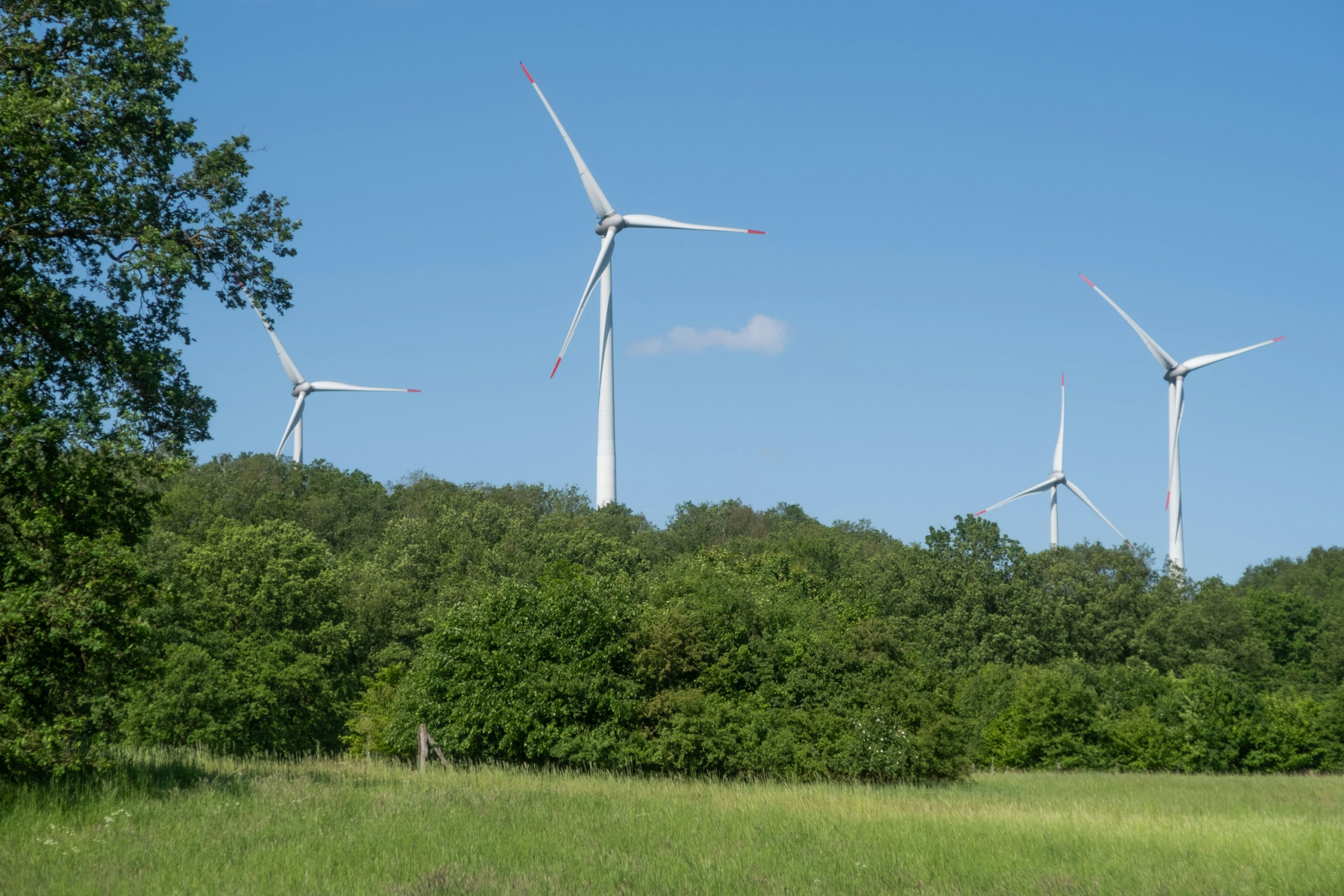
SSE Renewables has begun commercial operation at its first onshore wind farm in Italy, with the combined Castel Favorito and Masseria la Cattiva development exporting electricity to the grid in Puglia. The five-turbine project near Brindisi has 17.3 MW of installed capacity. Commissioning follows construction and the electrical tests required for grid export, making this an operating asset rather than an addition to SSE’s pipeline of proposed Italian projects.
Five Siemens Gamesa 3.4-132 turbines make up the installation, according to SSE’s published project information. The model designation refers to a rotor diameter of 132 metres and the 3.4 MW machine class; the developer reports 17.3 MW for the combined site. Turbine generators feed a collection system that brings their electrical output to a grid connection, with protection and controls required to maintain safe operation as wind conditions and grid voltage change. Neither the machine model nor the total installed capacity fixes the site’s eventual annual generation.
SSE took its final investment decision in November 2024, and construction began in April 2025 through its subsidiary Parco Eolico Tramontana S.R.L. Italian contractor Idoka Construzioni led construction work, including site access and foundations before turbine erection and electrical completion. The developer expected around 70 roles at peak construction activity, a workforce estimate for the delivery period rather than permanent employment at the operating plant. Installation of the fifth turbine was announced in October 2025; the new October 2026 milestone is commercial operation and export.
The project has a long-term corporate power purchase agreement with Microsoft, signed in 2024. It provides a contractual route to market for the generated electricity, but does not mean every megawatt is physically sent to a dedicated Microsoft connection. The wind farm injects power into the interconnected electricity system, while metering and contractual settlement determine how energy and any associated commercial rights are accounted for. The agreement predates commissioning, so it should not be described as a new offtake deal announced with the operational start.
Construction risks give way to operational obligations once a wind farm starts exporting. During delivery, lifting conditions, foundation acceptance, turbine commissioning and grid connections determine the build programme. During operation, turbine availability, maintenance access, permitted network exports and the variability of wind determine the electricity delivered and its commercial value. SSE has not reported measured annual production or a capacity factor for Castel Favorito and Masseria la Cattiva, which has only just entered operation.
Output from an onshore turbine depends on the interaction of wind speed, rotor swept area, machine control and the electrical limits of the connected plant. A modern variable-speed turbine can adapt rotor and generator operation across a range of wind conditions, while pitch control limits mechanical loading and power above its rated operating point. The power curve is site-specific in practice, and actual generation also reflects turbine spacing, wake effects and periods of curtailment requested by the grid operator. SSE has not disclosed measured annual output for this newly operating project.
Network conditions can also limit an otherwise available wind farm. If a transmission circuit becomes congested or the system operator instructs a change in output, plant controls must respond within the applicable grid requirements. Protection relays and switching devices isolate faults or abnormal operating conditions so they do not propagate through the connection. These duties are technical requirements of the generating installation rather than benefits conferred by the Microsoft agreement. SSE’s operational announcement establishes grid export, but not a record of uninterrupted output.
SSE reports a secured pipeline of more than 600 MW of onshore wind developments across Italy. It is progressing further projects in the country, including the separate Tuturano scheme, alongside activity elsewhere in southern Europe. The pipeline figure covers development opportunities and should not be added to operating capacity: each scheme needs its own consent, grid access, investment commitment, construction work and commissioning. The Italian project contributes 17.3 MW of operational capacity; the wider pipeline remains subject to future delivery milestones.
The developer’s broader southern European portfolio illustrates that construction and operation progress independently at each asset. SSE reported 109 MW of operational onshore wind capacity across southern Europe and another 55 MW under construction when announcing the Italian milestone. Those regional figures should not be confused with the new Italian site rating, nor treated as forecast output in megawatt-hours. Actual electricity production will become measurable only as the turbines operate through changing weather and maintenance conditions.
Castel Favorito and Masseria la Cattiva is now included in SSE’s operating portfolio, with five installed turbines supplying the local grid under an existing corporate offtake agreement. The next evidence of performance will come from operating records rather than the nameplate rating. Any further Italian commissioning will arise from distinct projects advancing beyond the company’s development pipeline.