IN Brief:
- PSE announced the Battle Butte groundbreaking on 15 October, while the principal construction programme is still scheduled for autumn 2026.
- The planned array includes more than 350,000 bifacial modules on single-axis trackers, with a substation and transmission link towards the 248MW Beaver Creek wind project.
- PSE forecasts electricity equivalent to around 20,000 homes annually and completion in mid-2028; no operational generation has been reported.
Puget Sound Energy (PSE) announced groundbreaking on 15 October for its proposed 130MW Battle Butte solar facility near Rapelje, Montana. The project will connect to transmission infrastructure close to PSE’s operating Beaver Creek wind farm in Stillwater County. The ceremonial milestone is separate from the main construction programme, which the utility expects to proceed in autumn 2026, and from its anticipated completion in mid-2028.
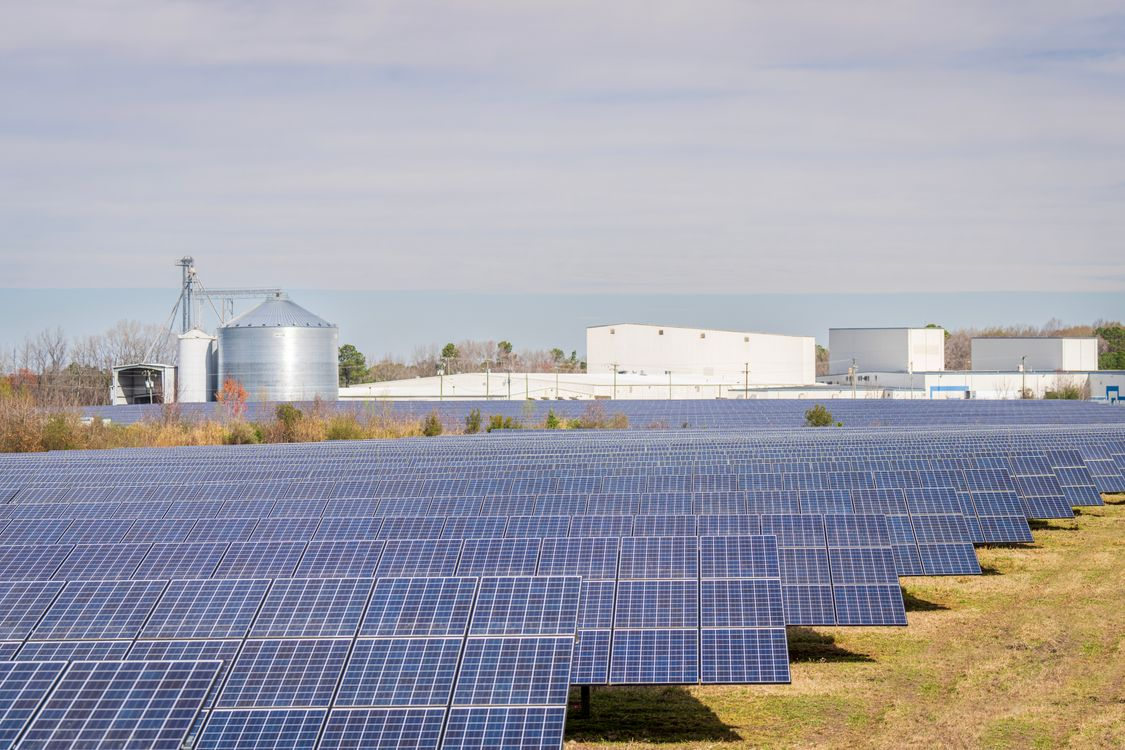
The development is planned on the high plains about seven miles south of Rapelje and 15 miles north of Columbus. PSE’s project design includes more than 350,000 bifacial photovoltaic modules mounted on single-axis trackers, an operations building, a substation and a transmission line towards Beaver Creek. The company has reported neither first power nor energisation of the proposed solar installation.
PSE forecasts annual generation equivalent to the consumption of roughly 20,000 typical homes. That estimate is not measured production or a guarantee of delivery to a fixed number of households. The stated 130MW plant rating describes planned generating capability rather than continuous electrical output, which will vary with irradiance, temperature, equipment availability, conversion losses and any network operating constraints.
Two design choices identified for Battle Butte will influence its output profile. Bifacial cells can receive direct sunlight at the front of a module and a contribution from light reflected or scattered onto its rear surface. The size of that contribution depends on ground reflectivity, row spacing, shading and module geometry. Single-axis trackers rotate the modules during the day to adjust their angle to the sun, although tracker movements and weather conditions also affect energy production.
Photovoltaic modules generate direct current, while the interconnected transmission system operates with alternating current. A grid-connected solar station therefore needs inverter conversion, voltage transformation, switching, protection and control before electricity can be exported. PSE has identified a substation and new transmission line in the scope but has not disclosed the inverter supplier, the substation operating voltage or a firm export limit. Those specifications cannot be derived from the headline 130MW figure.
Battle Butte will be built near the 248MW Beaver Creek wind project, which PSE brought into commercial operation in August 2025. The utility says proximity to that asset allows the solar project to make use of existing transmission infrastructure. Its broader transmission arrangements also include capacity on the Colstrip corridor previously used to move electricity from coal-fired generation in Montana to customers in Washington. The planned solar works include a line linking Battle Butte towards Beaver Creek’s electrical infrastructure.
Access to an existing transmission corridor can avoid some of the works associated with an entirely new long-distance line, but a connection still requires suitable protection settings, switching arrangements and compliance with the relevant network limits. Solar and wind produce electricity under different weather conditions, and proximity alone does not establish how simultaneous output from the two plants will be dispatched. PSE has not announced a battery for Battle Butte or confirmed that the sites will operate as a formally integrated hybrid generating installation.
The company’s published land figures describe different parts of the development. Its October announcement identifies approximately 1,400 acres of ranch land under site control, while the detailed project information describes the array and associated infrastructure occupying roughly 1,200 acres within a wider 8,000-acre ranch. PSE expects the remainder of that ranch to continue in agricultural use. Neither figure should be presented as an exact area covered by module surfaces.
A separate capacity figure appears in PSE’s March 2026 financial filing. The utility entered an agreement on 20 February to purchase photovoltaic modules with an aggregate rating of 178MW direct current and a commitment of approximately $60 million. This is a procurement measure, not a report that 178MW has been installed or energised. The company has separately described Battle Butte as a 130MW project, without publishing enough as-built electrical detail to calculate a definitive ratio between module capacity and net export capacity.
Approximately 250 skilled workers are expected during the building programme, followed by a smaller permanent operational team. Those are anticipated employment requirements rather than posts already filled. The company also expects local expenditure, impact fees and later property taxes, but the amounts ultimately realised will depend on construction, operation and the relevant tax arrangements.
Site logistics include a proposed road-use agreement with Stillwater County and measures intended to limit disturbance from construction traffic. PSE currently anticipates one particularly oversized delivery, involving a transformer, but has not identified the equipment model or final electrical rating. Delivery, erection and testing of such equipment will be separate activities from the groundbreaking itself.
Battle Butte received a conditional-use permit from Stillwater County in September 2024. PSE has also described public engagement in Rapelje and an expected operating life of about 30 years. Its project information says it will obtain a decommissioning bond to support eventual equipment removal and land restoration. The existence of the permit does not establish completion of construction or final acceptance of the electrical plant.
The new solar project forms part of PSE’s generation portfolio for customers in Washington. The utility states that it removed coal from its own energy portfolio at the end of 2025 and has added 22 long-term clean energy resources totalling more than 4,000MW since 2019. Beaver Creek is an existing owned wind project, while PSE also buys electricity through agreements with other hydroelectric and wind generators in Montana. These portfolio figures do not represent Battle Butte’s operating output.
Construction progress, the substation and line installation, network energisation and final commissioning remain the next verifiable milestones. PSE currently targets mid-2028 for completion, when the installed plant’s export performance and realised generation can be assessed. The 15 October announcement confirms groundbreaking for the 130MW development, not the entry of an additional operational 130MW into the transmission system.