IN Brief:
- The 416 MW Veja Mate offshore wind farm has been prequalified to offer 200 MW of balancing capacity in TenneT’s German control area.
- Vattenfall markets electricity from the 67-turbine project but is not identified as its owner.
- Reserve prequalification is separate from actual activation, and the announcement does not specify a contracted reserve product or dispatched volume.
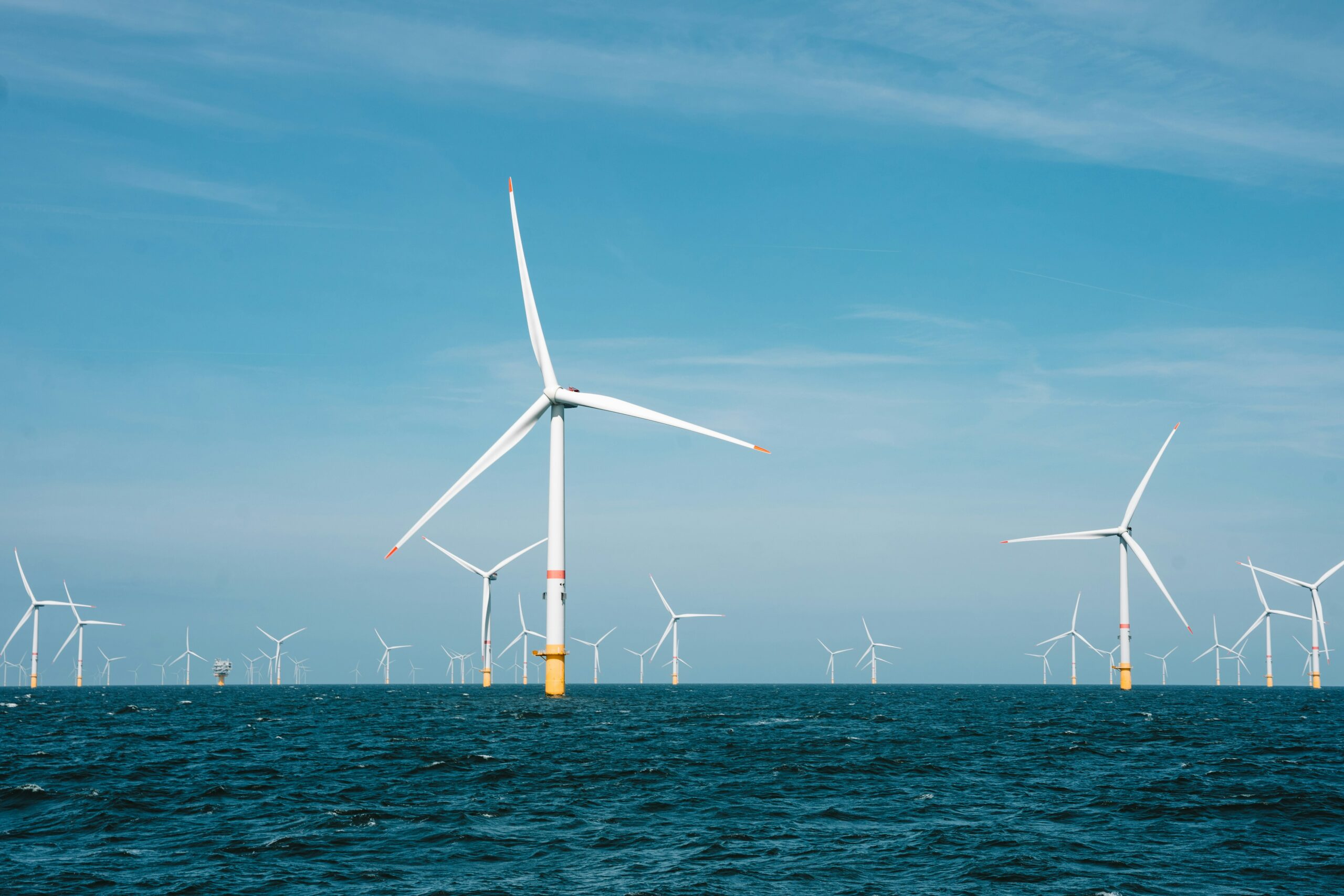
Vattenfall has secured prequalification for up to 200 MW of balancing power from the Veja Mate offshore wind farm in the German North Sea, allowing capacity from an operational wind project to participate in services used by transmission system operators to keep electricity supply and demand in balance. The approval applies within the control area of TenneT TSO. It establishes eligibility to offer reserve capacity, rather than confirming that 200 MW has already been dispatched in response to a grid instruction.
Veja Mate lies approximately 95 km north-west of Borkum and comprises 67 turbines with an installed generation capacity of 416 MW. Vattenfall acts as the project’s direct marketer, selling and optimising its electricity output. Ownership rests with a consortium comprising Commerz Real, Ingka Group, KGAL Group and wpd invest. The company describes the 200 MW as the largest balancing-power volume offered from offshore wind to date; that comparative claim is its own, rather than an independent survey of every reserve market.
German transmission operators must maintain a nominal system frequency of 50 Hz even though electricity demand, renewable production and conventional plant output never follow forecasts exactly. When a shortfall occurs, the system needs an increase in net injection or a reduction in consumption. When there is a surplus, operators need a reduction in net injection or an increase in consumption. Balancing markets procure the ability to make such adjustments within specified response times, with separate commercial arrangements for holding capacity ready and for energy actually activated.
Offshore wind has traditionally been sold through wholesale and direct-marketing arrangements that seek to maximise useful generation when wind conditions permit. Offering reserve capacity introduces another operating requirement. A wind farm must be able to demonstrate an appropriately measurable, controllable response to the relevant system operator’s instructions while accounting for the output available from the weather at that moment. Prequalification checks that an asset can meet the technical conditions of a particular service; it does not eliminate wind variability or guarantee that the same volume will be available during every trading interval.
A wind generator can reduce output to help correct an electricity surplus, provided it is producing enough power to curtail. Raising output in response to a shortfall is more constrained: the turbines need available wind and must already be operating below the power they could otherwise generate. Forecast uncertainty, curtailment instructions and the conditions attached to market bids limit the dependable reserve volume in either direction. Vattenfall has not broken the 200 MW figure down by reserve direction or product, or reported individual activations. It should therefore not be interpreted as 200 MW of unrestricted upward generation.
Reserve products differ in how quickly they must respond and how long they must sustain that response. Germany’s frequency containment reserve responds directly to frequency deviations; automatic frequency restoration reserve follows centralised control signals, while manual restoration reserve is dispatched through a separate instruction process. Vattenfall describes the German market’s primary, secondary and tertiary reserve arrangements but does not identify which individual products account for Veja Mate’s qualified 200 MW. Specific response duties can only be assessed against the prequalification and operating rules for the services actually offered.
Offshore wind patterns can support generation forecasting, although a forecast does not remove rapid changes in output or turbine-level operating constraints. Market participation also depends on reliable metering, control instructions, data exchange and records of delivered power. Those systems must establish the difference between the output the wind farm would otherwise have produced and the response required for balancing. Vattenfall has not identified additional hardware installed at Veja Mate for the qualification, and there is no basis for assuming that a new energy storage system forms part of the 200 MW offer.
Vattenfall already markets flexible generation and says its pumped-storage hydro portfolio contributes around 2.7 GW of capacity to balancing services. A wind farm does not provide the same physical operating characteristics as a reservoir-backed hydro station or a battery, but it can offer different forms of controllability when operating conditions permit. Bringing qualifying renewable output into the balancing process broadens the resources available to the system operator without implying that conventional or stored flexibility can be dispensed with.
Vattenfall says it is pursuing further reserve-market qualifications for offshore wind farms, solar parks paired with large batteries and externally owned battery storage assets that it operates commercially. These are intended future additions, not further capacity confirmed under the Veja Mate approval. The immediate change is eligibility to market up to 200 MW of balancing capacity from an operating 416 MW offshore wind farm in TenneT’s control area; subsequent offers, procurement and reserve activations will determine the power actually delivered for grid support.