IN Brief:
- Venture Global entered equipment frame agreements on 9 October and publicly announced them on 15 October 2026.
- The power framework covers up to sixteen 720MW combined-cycle units, while a separate grid agreement covers equipment for up to 21 power-island projects.
- Certain manufacturing capacity has been reserved, but most unit orders remain conditional on later definitive agreements and purchase orders.
Venture Global has announced agreements with GE Vernova and Baker Hughes Energy Services covering equipment for as many as sixteen additional 720MW power islands, extending the company’s plan for dedicated generation at LNG sites and potential adjacent data centres in the United States. The agreements were signed on 9 October and disclosed publicly on 15 October, and they establish a staged ordering framework rather than a commitment to build all sixteen units.
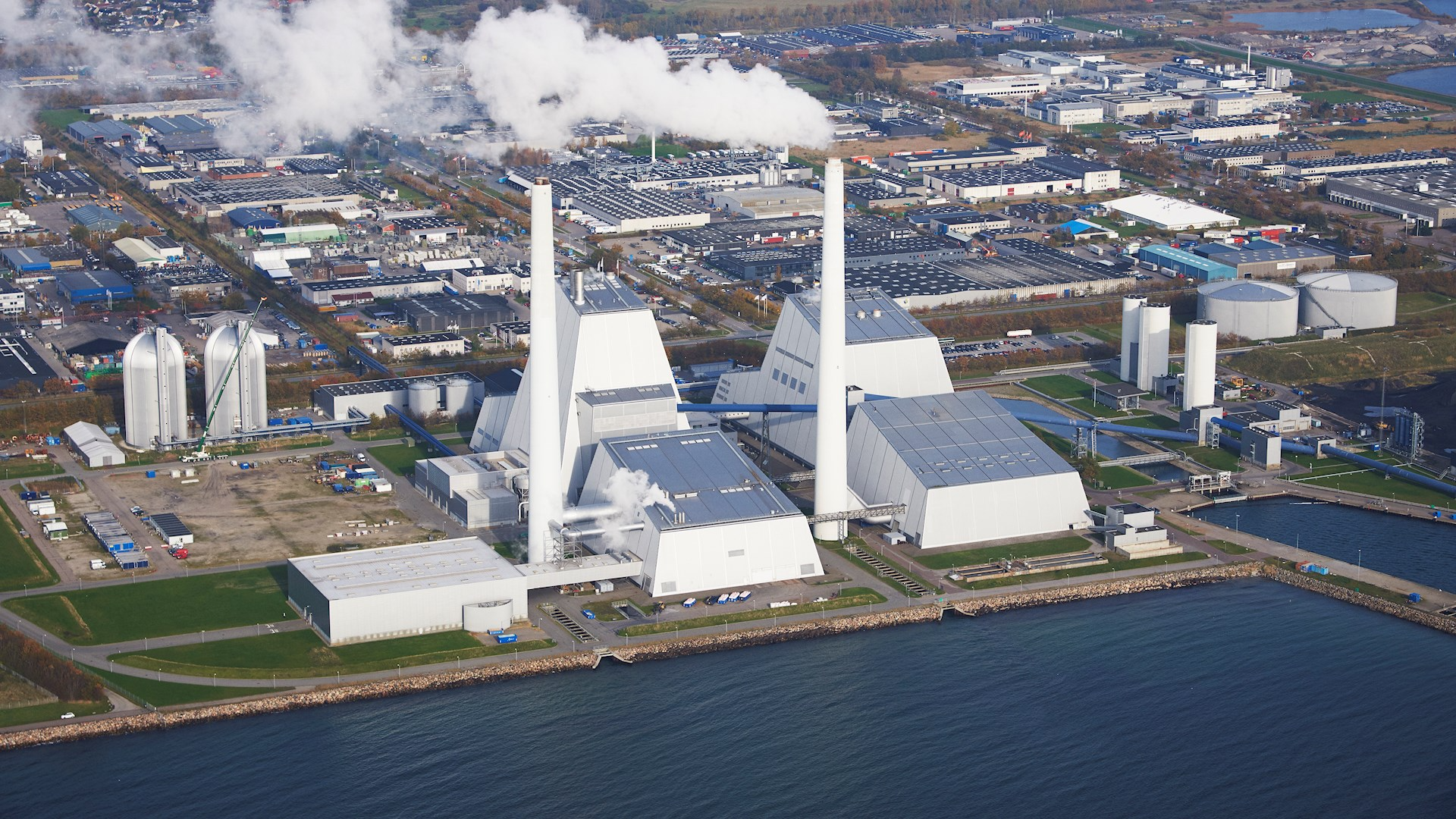
Each contemplated power island would use combined-cycle gas turbine arrangements and associated electrical equipment. Six earlier islands have already been ordered, are under construction or are operating across Venture Global’s LNG facilities, representing approximately 4.5GW in combined nameplate capacity. These different delivery states should not be condensed into a claim that all existing capacity is already generating electricity.
The power frame agreement covers a potential sixteen 720MW islands, equivalent to 11.52GW of nominal generating capacity only if all units are ultimately ordered, delivered and built. A separate grid frame agreement with GE Grid Solutions addresses transformers and gas-insulated switchgear for up to 21 island projects. The scope of that grid agreement is not an additional 21 generating islands, and its quantity must not be added to the sixteen-unit power framework to calculate capacity.
Venture Global’s 15 October filing to the US Securities and Exchange Commission records more specific manufacturing reservations within the broader optional framework. A definitive reservation covers GE Vernova manufacturing capacity for eight of the fifteen islands envisaged after a first order, while five separate reservations cover initial sets of transformer and switchgear equipment. These reservations secure defined manufacturing positions subject to their terms; they are not evidence that the full programme has been ordered or built.
The company expects to place its first power-island purchase order by the end of 2026 and anticipates orders for the eight reserved units commencing in early 2027. It expects orders against the five initial electrical-equipment reservations to begin in late 2026. Some scheduled equipment delivery positions run through 2034, but future orders will depend on commercial commitments, reservation provisions and the decision to proceed with particular developments. No operating date is established for the complete potential programme.
If every contemplated order under the power and grid frameworks proceeds, Venture Global estimates aggregate payments of approximately $17.2 billion, including relevant reservation fees and subject to contractual adjustments. That figure is a conditional full-programme value rather than expenditure incurred or a sum of orders already placed. The filing distinguishes reservations and related fees from the larger purchase and supply obligations that would arise under later definitive agreements or purchase orders.
Combined-cycle generation recovers energy from more than one thermodynamic stage. A gas turbine drives a generator directly while its hot exhaust supplies a heat recovery steam generator, producing steam that can drive additional turbine equipment. The steam cycle extracts energy that would otherwise leave through the exhaust stream. Overall performance depends on equipment configuration, cooling and operating conditions, and no specific net plant efficiency for these future islands has been established in the agreements.
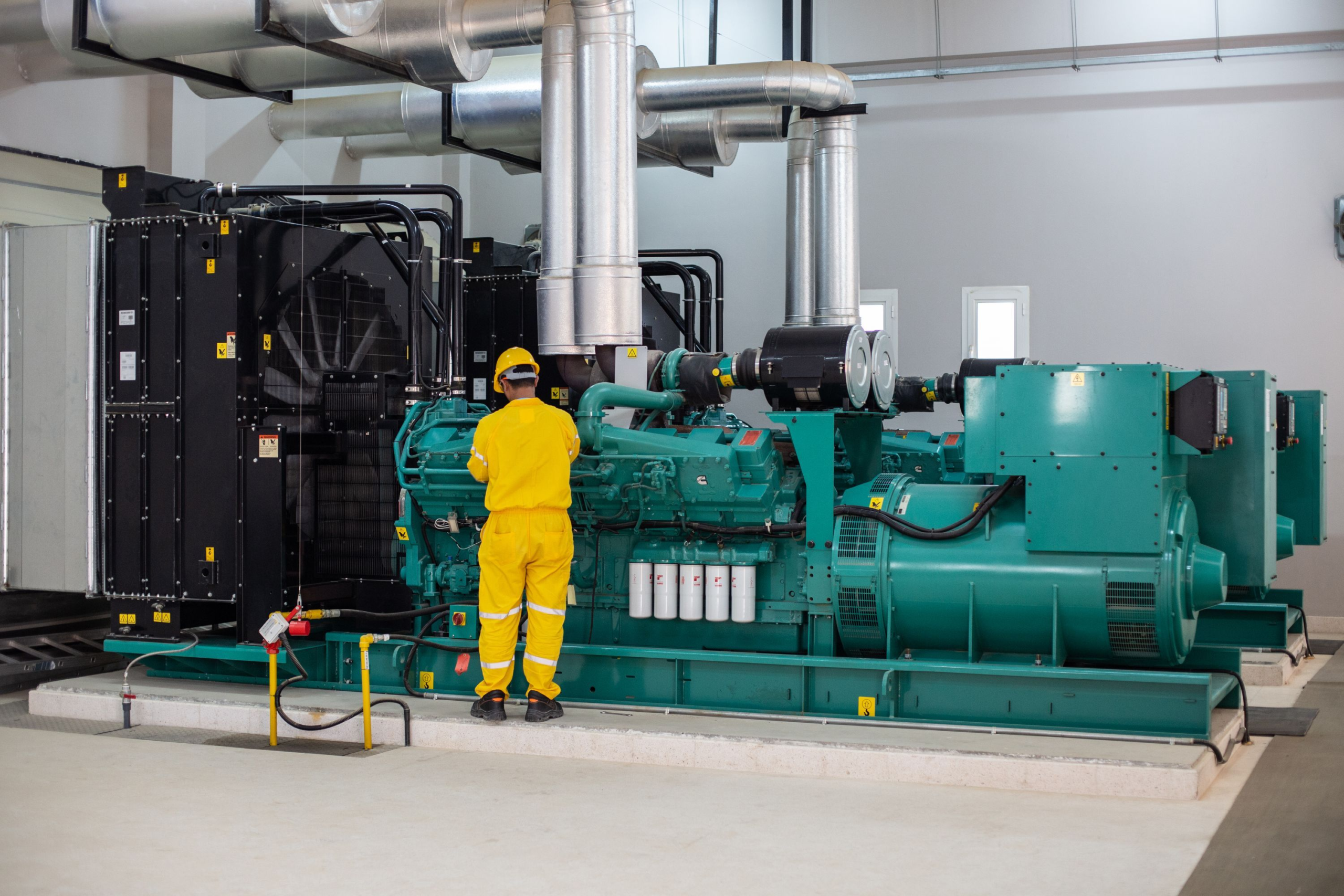
Operating in island mode means the dedicated electrical system is designed to supply connected industrial loads without depending on routine electricity imports from the public grid. That arrangement requires equipment beyond the generating turbines. Switchgear isolates circuits and provides controlled fault interruption; transformers match system voltages; and plant controls regulate frequency, voltage and load sharing between generating units and major consumers.
Large LNG facilities impose substantial continuous and variable power requirements through gas-processing, liquefaction, refrigeration and auxiliary systems. The proposed generation framework could also support future computing campuses adjacent to facilities controlled by Venture Global, but the loads are not interchangeable simply because they may use the same electrical source. Data centres have their own resilience, power quality, cooling and redundancy requirements, which must be addressed in the design of each development.
Venture Global says the arrangements could support the development of up to 10GW of computing capacity by the end of 2034, depending on customers, market demand and other commercial conditions. Computing capacity is the company’s development ambition, not an existing connected load or a second power-generation rating. Its assertion that new on-site facilities would avoid additional demand on public electricity networks is contingent on the eventual power-system and connection arrangements of each approved site.
Projects developed under the frameworks may require environmental, construction and other site-specific permissions from federal, state and local authorities. Venture Global said it would begin initial permit applications following its October announcement. Contractual price and delivery frameworks, manufacturing reservations and permit submissions are separate steps; none establishes that the sixteen potential islands are authorised, installed or operating.
The framework provides equipment manufacturers with a mechanism to reserve scarce long-lead production capacity while leaving Venture Global flexibility over the timing and number of future units. It also exposes the execution sequence: reservations and engineering precede orders, equipment deliveries and construction, followed by testing and commissioning. The next verifiable milestone is the first purchase order targeted before the end of 2026, rather than the entire prospective 16-island programme reaching delivery.