IN Brief:
- The proposed 90 MW/180 MWh battery has a nominal two-hour energy-to-power ratio.
- The EPC package includes a new substation for connection to RTE’s 90 kV network.
- A renewable five-year maintenance agreement will cover the future operating phase.
Entech has signed a contract worth nearly €40 million to design and build a 90 MW/180 MWh battery energy storage facility for an undisclosed electricity producer in mainland France. The agreement includes the high-voltage substation required to connect the installation to the 90 kV network operated by transmission system operator RTE. It is the largest engineering, procurement and construction contract Entech has secured while acting as the sole EPC contractor.
Entech’s engineering, procurement and construction responsibility runs from preliminary studies to commissioning, including subcontractor selection and construction supervision. The contract also provides for five years of operations and maintenance, with an option to renew. Neither the developer’s identity nor the project’s precise location has been disclosed. The release gives no battery manufacturer, chemistry or commissioning timetable, and it would be premature to infer procurement progress or a construction start from signature of the agreement.
A rated power of 90 MW and an energy capacity of 180 MWh give the proposed plant a nominal energy-to-power ratio of two hours. The figures describe different characteristics: MW sets the rate at which power can be exchanged, while MWh describes energy storage. At constant rated discharge, the simple ratio is 180 divided by 90. Actual energy delivered at the network connection will be affected by conversion losses, permissible state-of-charge limits, temperature and reserves maintained for battery protection. Entech has not published a site-specific tested discharge duration.
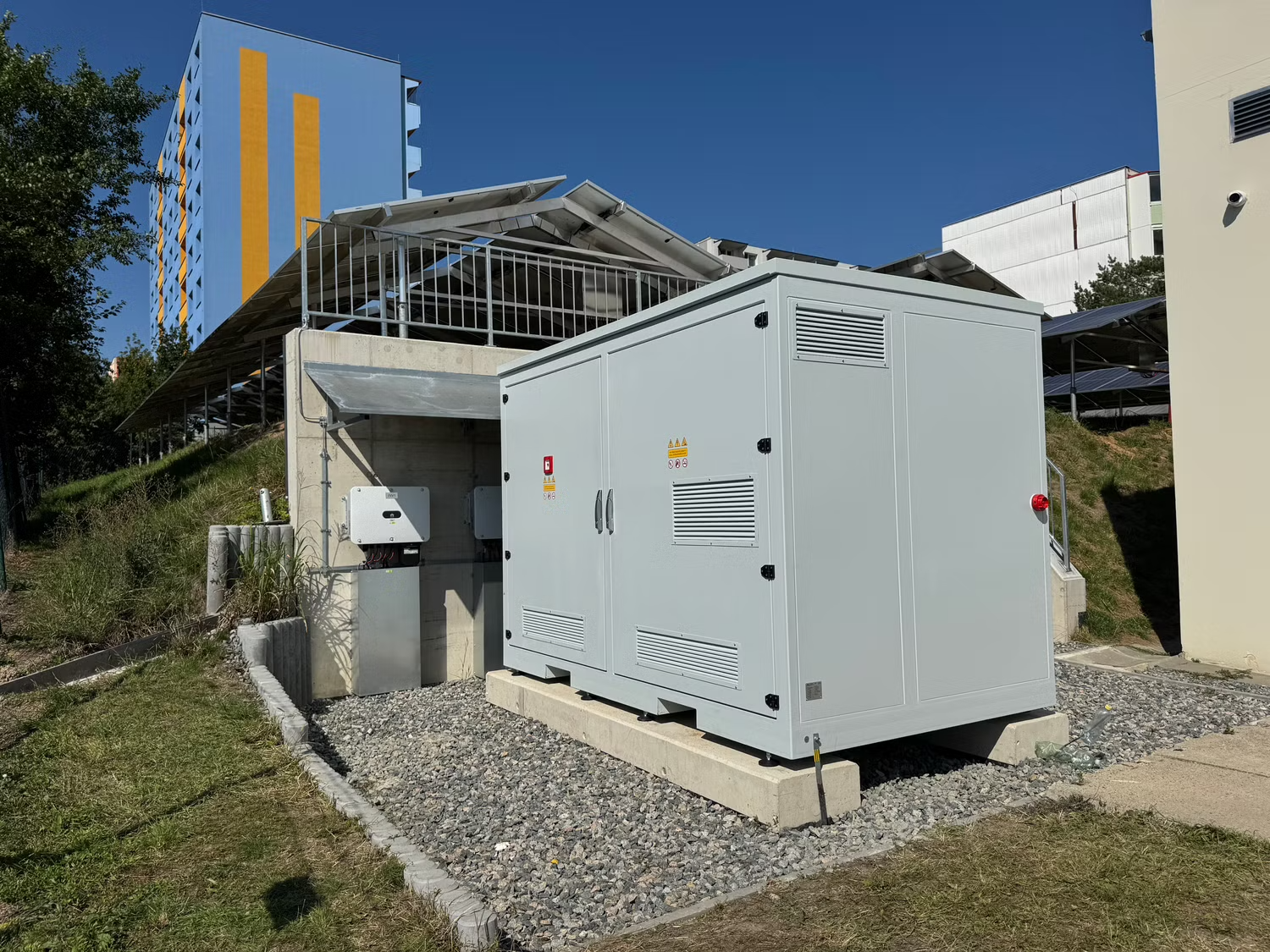
The awarded scope includes a new high-voltage substation serving the connection to RTE’s 90 kV transmission network. The battery system will need power conversion equipment to exchange direct-current energy with the alternating-current grid, and transformers to bring the converted voltage to the network interface. Switchgear, protection, metering and communications must work with that electrical configuration before the installation can be accepted. The 90 kV figure identifies the intended connection voltage, not a completed or energised substation.
Design and delivery of the battery and associated substation fall under the same EPC contract. That creates a single principal contractor for interfaces that would otherwise be split between separate packages, but it does not eliminate network approval or testing obligations. Cable terminations, transformer settings, protection coordination and power conversion controls must be checked against the connection requirements before export and import can begin. Detailed studies will determine how the electrical plant responds to faults, voltage changes and operating instructions at the 90 kV boundary.
The customer will have a single EPC counterparty for the turnkey package, while Entech will manage the subcontractors carrying out individual parts of the works. The release does not disclose contract milestones, guarantees, liquidated damages or which party bears any residual risk associated with network readiness. Those details would determine the exposure to delays between mechanical completion, energisation and commercial handover. The nearly €40 million award is a confirmed commercial commitment; construction and commissioning remain future activities.
Battery storage can absorb electricity during one period and return it during another, but the revenue and operating strategy depend on the services the owner chooses and on the restrictions of the connection agreement. A two-hour battery may be dispatched for wholesale price management, balancing services or other flexibility functions, subject to technical and market eligibility. Entech has not announced a service portfolio, route-to-market agreement or dispatch algorithm for this particular site, so none can be attributed to the new contract.
At the grid interface, charging and discharging place different demands on the facility’s controls. The battery management system protects cells against operation outside permissible limits; the power conversion system manages the exchange between direct current inside the storage system and alternating current on the network. Supervisory controls coordinate setpoints, alarms and safe responses to abnormal conditions. Grid codes and commissioning tests then establish whether the installation can follow instructed operating modes without compromising protection or network limits.
The five-year renewable maintenance arrangement will begin to matter when the equipment enters service. Battery installations require supervision of cells, inverters, thermal control, protection systems and communication links, supported by preventive inspections and fault response. Such work can help identify degradation or a component failure before availability is materially affected. No quantified service-level availability guarantee has been disclosed, and the customer has not identified its trading or dispatch provider. The O&M award cannot therefore be read as a guarantee of the plant’s operating performance.
Based in Quimper, Entech develops and integrates photovoltaic, storage, power conversion and control systems and says it has completed more than 400 projects since its foundation in 2016. The new award broadens its single-contractor responsibility to a storage project with an associated transmission substation. Its next project-specific milestones will depend on design completion, equipment procurement, site delivery, network testing and commissioning; Entech has not announced dates for any of those steps.