IN Brief:
- Atmos Renewables has appointed Enerven to deliver the 400MW/1,600MWh Teebar battery in Queensland.
- The scope includes a 275/33kV substation and approximately 300 metres of 275kV overhead line connected to Powerlink.
- Enerven expects to mobilise in October 2026, with commercial operation targeted for late 2028.
Enerven has won the balance of plant contract for Atmos Renewables’ proposed 400MW/1,600MWh Teebar battery energy storage system in Queensland. Its responsibilities cover design, procurement, construction and commissioning of the site’s supporting infrastructure, including a 275/33kV substation and approximately 300 metres of overhead transmission line operating at 275kV. Battery technology will be supplied separately by Valo, requiring the two delivery packages to be integrated before the facility can be energised.
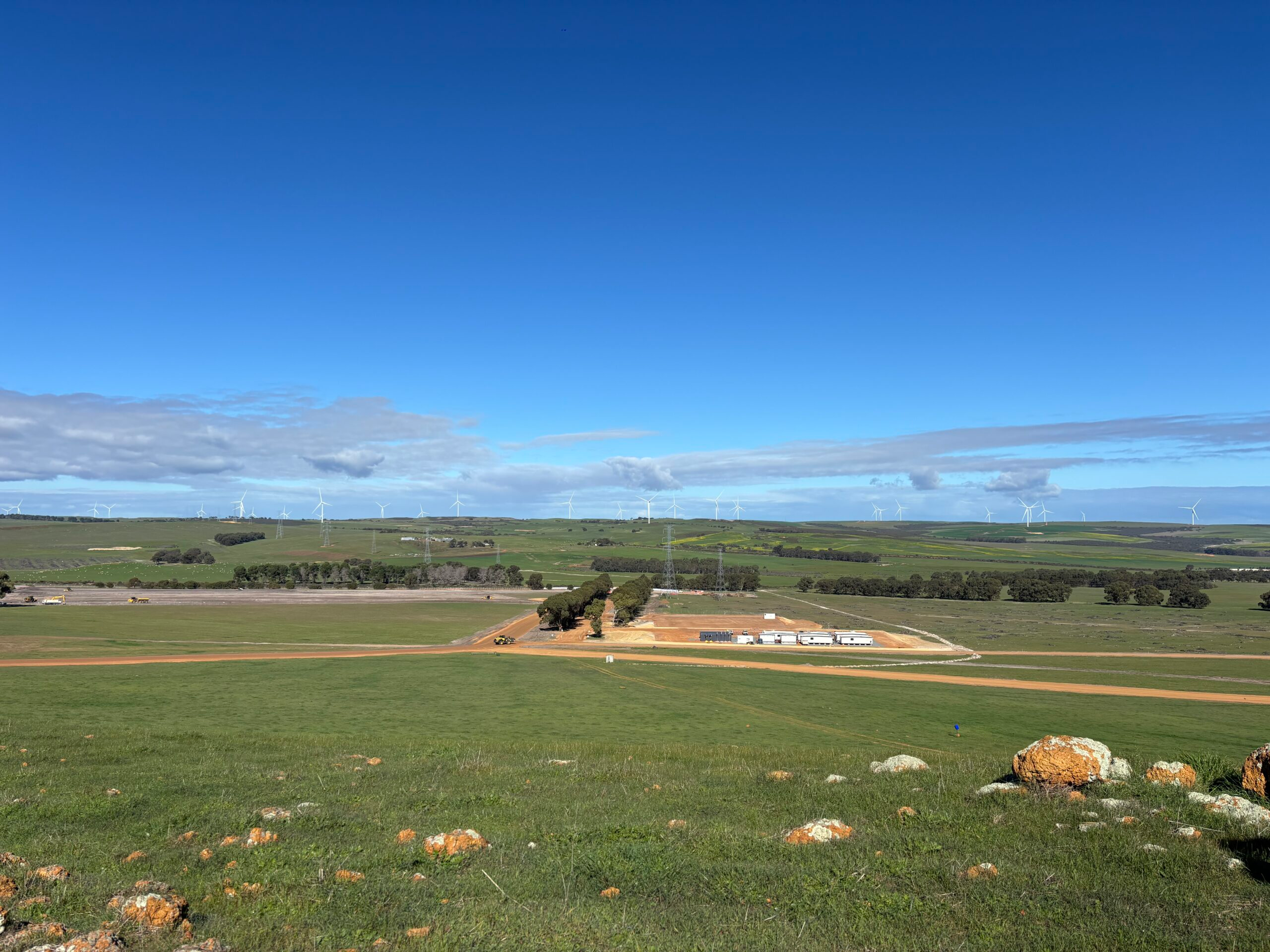
Beside Powerlink’s existing Teebar Creek substation, about 60 kilometres west of Maryborough, the project will store sufficient nominal energy to sustain its rated 400MW output for four hours. That duration is calculated from the proposed 1,600MWh capacity, with actual discharge determined by usable storage, conversion losses and the plant’s operating conditions. The neighbouring transmission infrastructure provides a defined connection location, while the new electrical equipment must still satisfy the network operator’s design and commissioning requirements.
Atmos reached financial close for Teebar earlier in October, following approximately nine months of early contractor involvement with Enerven, Valo and Powerlink. During that preparatory phase, the delivery parties developed the engineering design and construction approach around the battery equipment and the transmission interface. Enerven now expects to mobilise in October 2026, with a construction commencement ceremony scheduled for 20 October; commercial operation remains targeted for late 2028.
Because the storage units and the network connection fall under separate supply arrangements, their electrical interfaces must be agreed before construction fixes the equipment locations and cable routes. Space for transformers, switchgear, access and maintenance also affects the position of the battery assemblies and supporting foundations. Resolving those relationships during design reduces the possibility of equipment or civil works needing alteration after the separate contractors begin installation.
At the 275/33kV substation, transformers will connect Powerlink’s transmission voltage with the battery plant’s medium voltage collection system, while switchgear and protective equipment provide the means to control and isolate circuits. The arrangement must accommodate electricity flowing into the batteries during charging as well as exporting during discharge. Transformer ratings, protection settings and the detailed switching configuration remain dependent on the approved design; the announced voltage levels alone do not establish those specifications.
The overhead line will run for approximately 300 metres between the new substation and Powerlink’s network, introducing requirements for conductor clearances, insulation, earthing and protection coordination at 275kV. Although its route is short, installation beside an operational substation must be planned with the network operator, particularly where construction activities approach live equipment. Connection testing will also need to establish that the new circuits and their protection respond correctly to the approved switching and fault conditions.
Within the battery facility, Valo’s storage equipment will hold energy in direct current form, with power conversion systems managing the exchange with the alternating current network. Plant controls must coordinate charging and discharge across the battery assemblies so that their combined electrical response remains within the limits of the 33kV collection network and the 275kV connection. The individual storage units and converters must also communicate with the wider supervisory and protection systems before the installation can operate as one plant.
The stated 400MW power capability sets the planned rate of electricity exchange, whereas 1,600MWh describes the nominal energy held by the system. Dispatch over a period of four hours would require energy to be available beforehand, and sustained operation at full output would remain subject to battery condition and plant availability. Market instructions, state of charge and temperature controls will consequently influence when and for how long Teebar can charge or discharge after commissioning.
Alongside the engineering contract, the project has backing through Australia’s Capacity Investment Scheme, which supports investment in renewable generation and dispatchable capacity. That commercial arrangement helps underpin the development, while physical connection and participation in electricity markets require separate approvals. Teebar’s eventual operation in the National Electricity Market will depend on the performance of its installed electrical equipment and compliance with the applicable network and registration requirements.
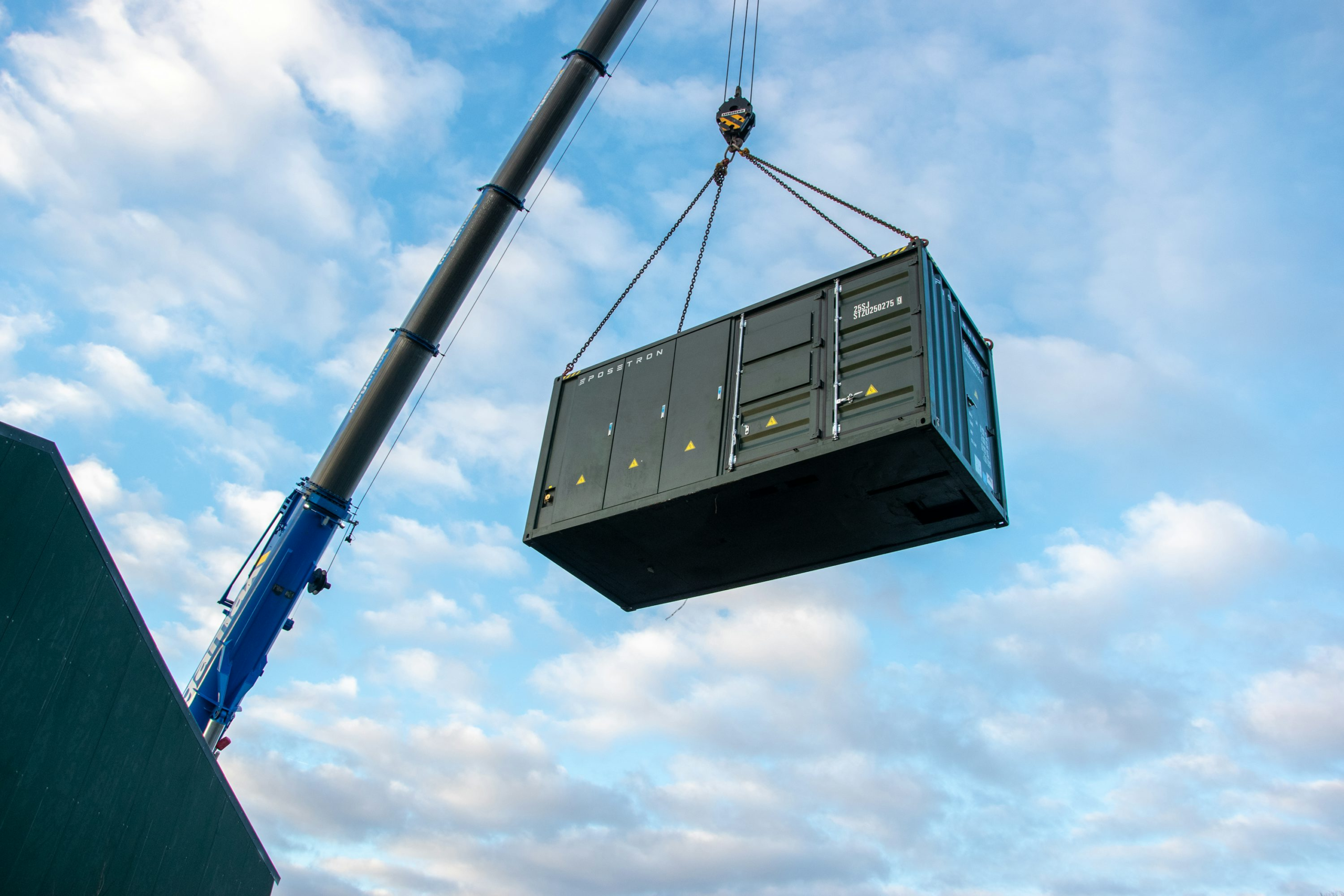
Enerven’s civil works will include site preparation and improvements to local access roads so that heavy electrical components and storage assemblies can reach their installation positions. Foundations, cable routes and the substation works must be sequenced with the incoming equipment deliveries. The contractor has also identified opportunities for local suppliers and workers, with engagement planned with the Kabi Kabi Traditional Owners during the construction programme.
After the equipment is installed, commissioning will have to verify communication between the battery controllers, power conversion systems and the network interface. Protection tests must demonstrate the response to abnormal electrical conditions, and the plant’s import and export behaviour must comply with its connection arrangements. Completing the substation and overhead line will therefore establish only part of the electrical infrastructure needed before commercial storage dispatch can begin.
With the main delivery contract now awarded, Enerven’s immediate programme centres on mobilisation, construction access and coordination of the 275kV connection with Valo’s storage package. Atmos continues to target commercial operation in late 2028, leaving time for civil construction, equipment integration, commissioning and market approvals. The award defines who will deliver those electrical works without suggesting that the proposed 400MW battery is already available to the Queensland grid.