IN Brief:
- Mammoth South, Mammoth Central I and Mammoth Central II together provide 900MWac of newly constructed solar capacity.
- Doral describes commercial operation of the three phases as imminent, rather than confirming final operating dates.
- Bechtel constructed the three expansion phases over approximately 18 months, using more than one million photovoltaic modules.
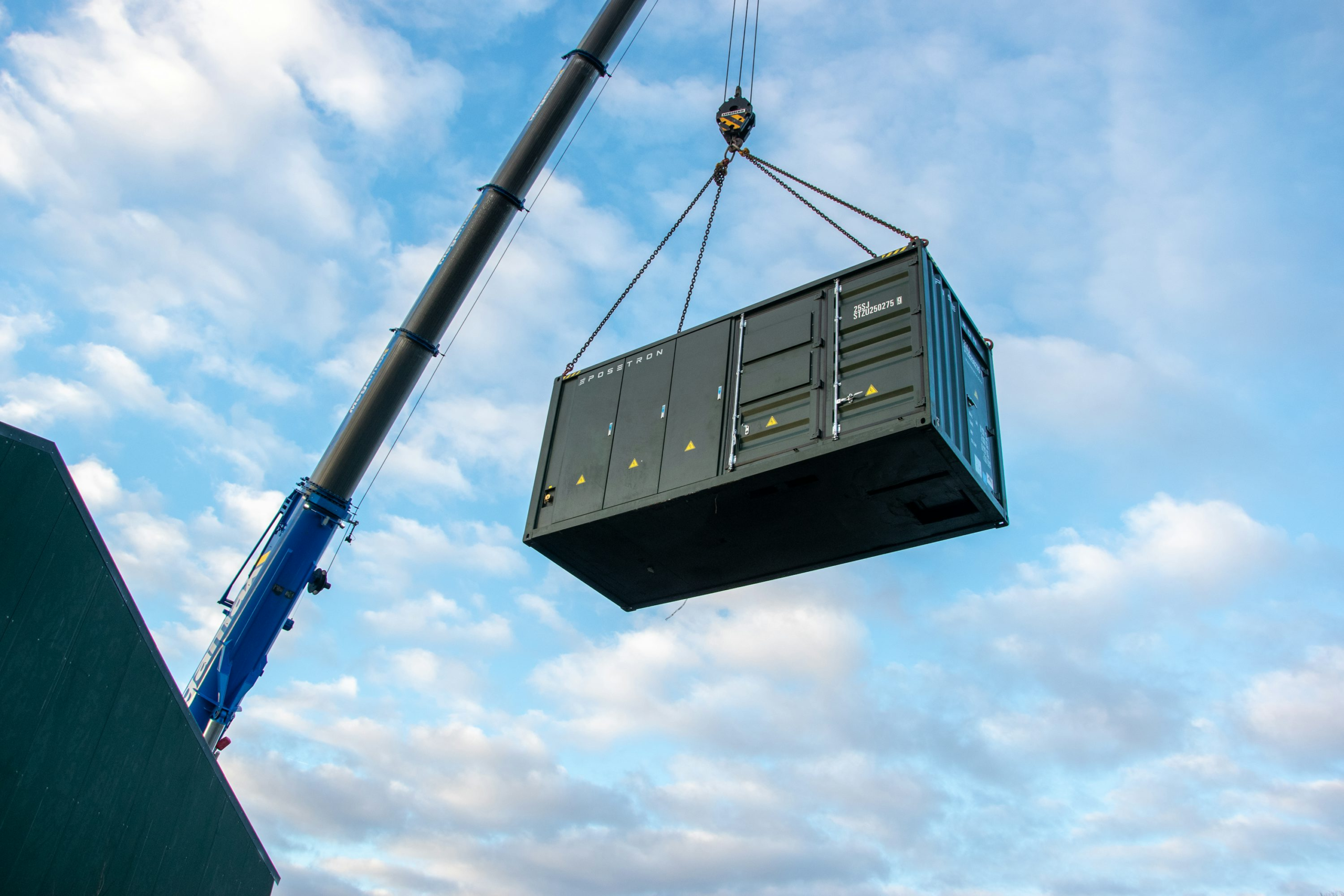
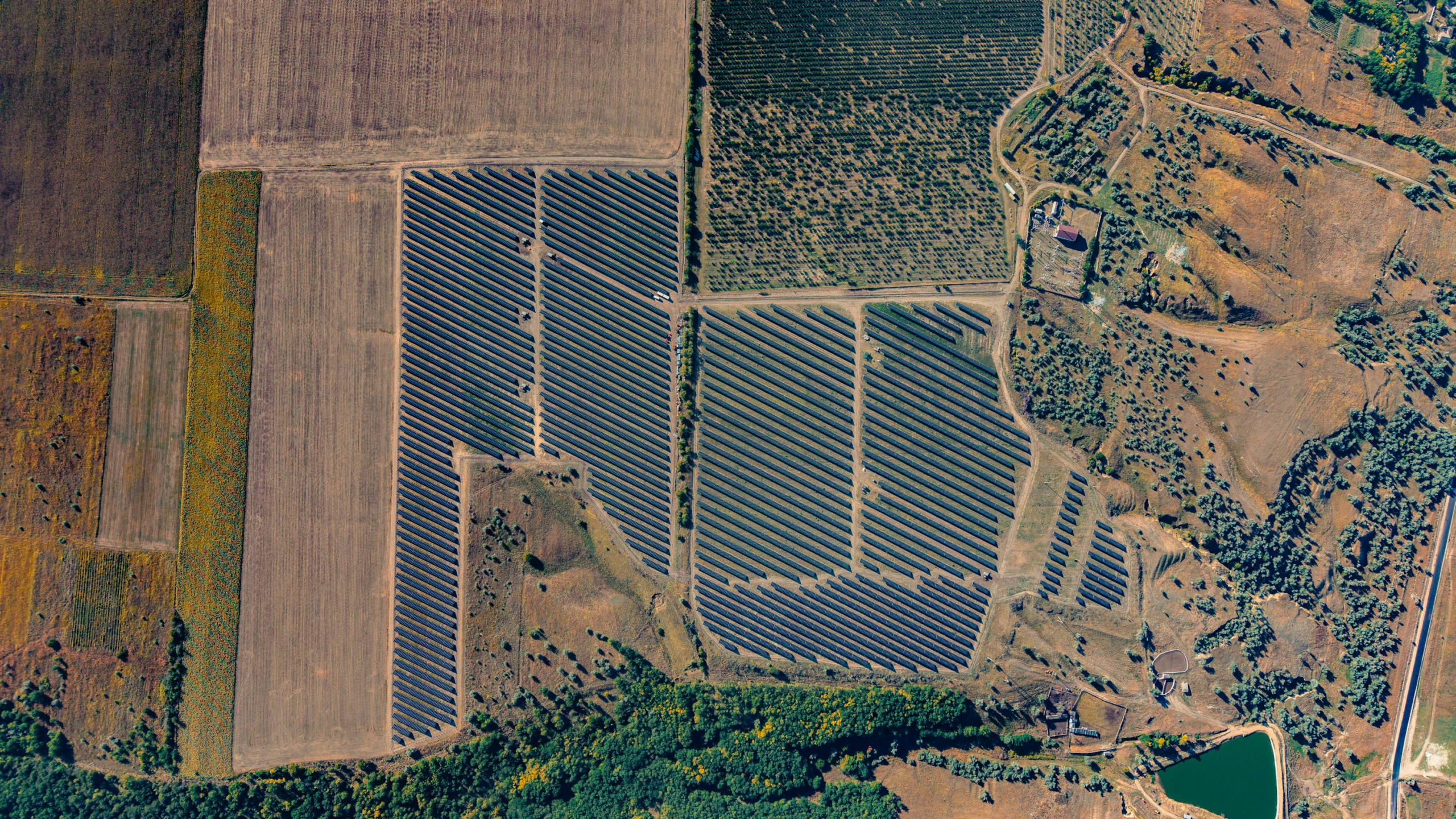
Doral Renewables has completed construction of the remaining 900MWac of its Mammoth Solar development in Indiana, with three additional photovoltaic phases approaching commercial operation. Mammoth South, Mammoth Central I and Mammoth Central II are each rated at 300MWac. Once they satisfy their commissioning and operating requirements, the project will combine their generating capacity with the existing 400MW Mammoth North facility to reach approximately 1.3GWac.
Bechtel delivered the engineering and construction programme for the three expansion phases over approximately 18 months, and Doral marked their approaching commercial operation on 7 October 2026. The physical construction milestone comes before final operating approval, which depends on completing the necessary electrical tests and other connection requirements. Doral has described the remaining phases as nearing commercial service, without confirming that all 900MWac has already entered unrestricted operation.
Across Pulaski and Starke counties, the Mammoth Solar development combines generating sections built and commissioned on different schedules. Mammoth North began commercial operation in October 2024, providing an established 400MW asset while work continued on the newer facilities. Those three phases are located in Pulaski County and must each complete their remaining electrical and contractual requirements before their capacity can join Mammoth North in full commercial production.
Construction of the additional capacity used more than one million photovoltaic modules manufactured in the United States, with Doral reporting approximately 1,800 workers at the project’s peak. Installation activity also reached 20,000 panels in a single day, a peak rather than a daily average. The work extended beyond mounting the modules to cable installation, power conversion equipment and the electrical collection infrastructure required to combine output from a large number of generating strings.
Photovoltaic modules produce direct current as sunlight reaches their cells, and strings of modules are connected to collection circuits serving the plant’s power conversion equipment. Inverters turn that electricity into alternating current, while transformers and switchgear connect the resulting output to the wider electrical system at the required voltage. Protection and monitoring equipment must operate throughout the installation, although the individual new phases’ precise inverter models and connection ratings have not been publicly specified.
The 900MWac attributed to the final three phases describes their combined alternating current capability, as distinct from the direct current nameplate ratings of the installed modules. Solar arrays and inverters may have different aggregate capacities because their outputs and operating conditions vary during the day. Mammoth’s precise ratio between those ratings has not been disclosed, leaving the reported AC figure as the relevant confirmed measure of the three phases’ intended export capability.
As each generating phase moves from construction towards commercial service, electrical commissioning must verify its protective devices, plant controls, monitoring and connection behaviour. Inverters must respond within the network’s permitted conditions, and switching arrangements must provide safe isolation when equipment is tested or maintained. Those requirements remain separate from the physical completion of the solar fields, which explains why a finished installation can still be approaching its commercial operating date.
Even after the remaining phases enter service, production over a year will reflect changes in daylight, cloud cover, temperature and equipment availability. The combined 1.3GWac rating describes generating power under the applicable design conditions, rather than electricity delivered at that level continuously. Metered output and operating records will subsequently establish how much energy the new sections contribute, subject to the local network and the terms of their power sales agreements.
Financing for construction of the final phases was supported by approximately $1.5 billion in debt and tax equity arrangements announced in 2025, alongside separate long-term power purchase agreements. These commitments enable investment in equipment and provide routes for selling generation once the assets are operating. The contracts cannot substitute for completed connection tests, however, and the commercial milestones for the three phases must be confirmed individually as the commissioning programme concludes.
Solar generation shares parts of the Mammoth site with existing or planned agricultural activity, requiring maintenance and land use to be coordinated around the electrical infrastructure. Mammoth North has employed livestock grazing for vegetation management, and Doral is exploring additional grazing and crop opportunities elsewhere in the development. Access for machinery, equipment clearances and the protection of electrical cabling will influence which arrangements can be applied safely in each section.
After energisation, operating teams will have to manage inverter availability, plant monitoring, electrical maintenance and vegetation controls over the generating assets’ working lives. These activities also affect the data used to assess performance against the expectations established during construction and project financing. Bechtel’s completion of the installation work provides the physical foundation for those responsibilities, while Doral remains responsible for confirming when each remaining phase has achieved its operating milestone.
Mammoth South, Central I and Central II now await formal confirmation of the conditions needed to begin commercial service, with no individual final operating dates established in Doral’s October update. Their entry into operation would add 900MWac to the 400MW already generating at Mammoth North. Until those dates are established, construction completion is the supported milestone and the proposed 1.3GWac operating complex remains the next stage of delivery.