IN Brief:
- Both 220MVA supergrid transformers at the Hams Hall battery project were energised on 30 September 2026.
- The 350MW battery development has a 400kV transmission connection and two transformers serving the medium voltage collection system.
- Wills Bros is the EPC contractor for BW ESS, with Energy-IO responsible for the main electrical works; full battery commissioning remains outstanding.
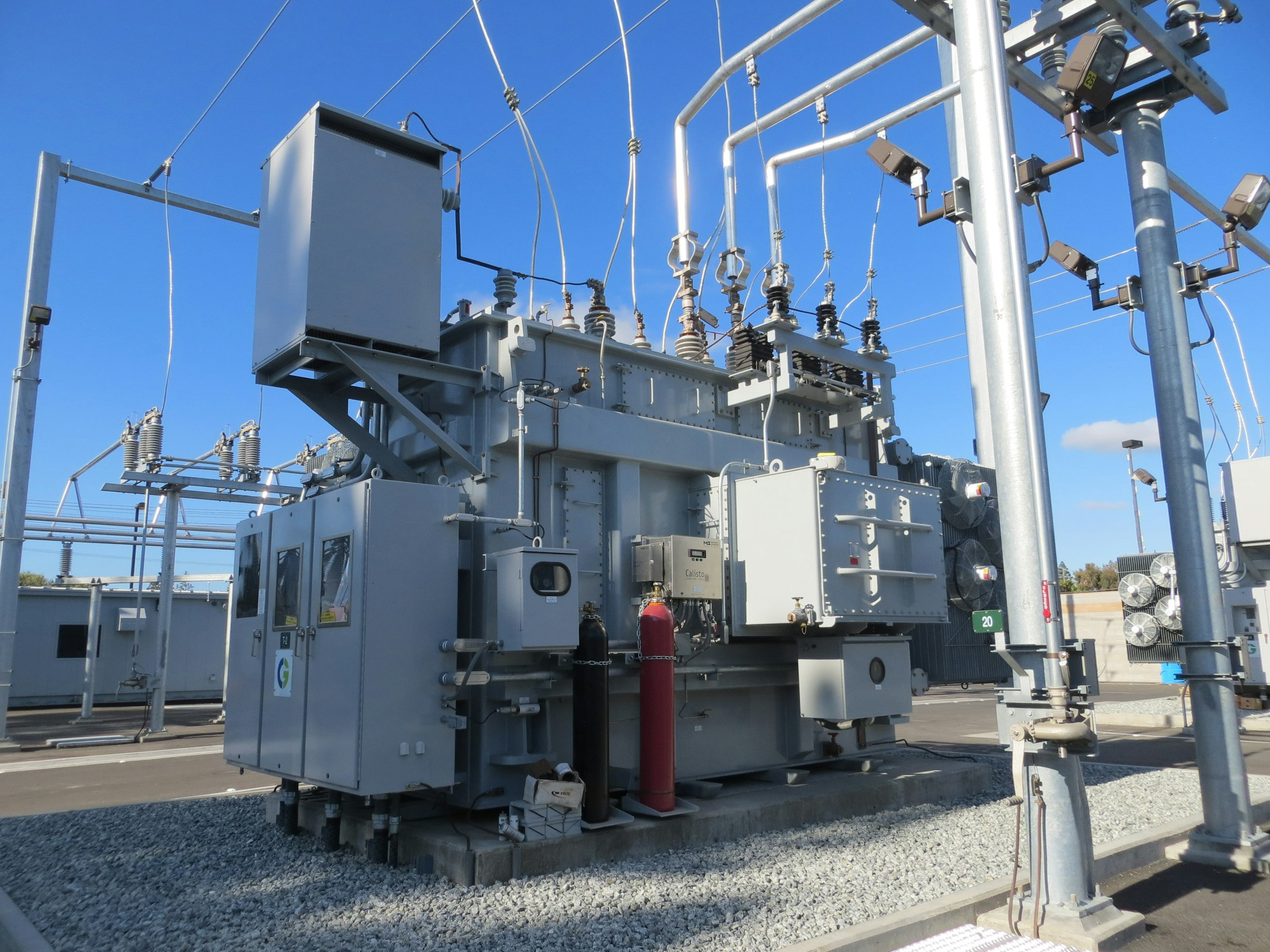
Wills Bros has confirmed that both 220MVA supergrid transformers at the Hams Hall battery energy storage project in North Warwickshire were energised on 30 September 2026. The transformers form part of the 400kV transmission connection for the 350MW development being delivered for BW ESS. Bringing the high-voltage equipment into service is a defined commissioning milestone, although the battery facility has not yet been confirmed as fully commercially operational.
Wills Bros is delivering the project for BW ESS under an engineering, procurement and construction agreement, with Energy-IO responsible for the principal electrical works. Construction began in October 2024, and the transformer energisation follows almost two years of civil and electrical installation. Commercial operation of the complete battery facility remains planned for later in 2026, subject to completion of the separate battery and network compliance checks.
BW ESS describes the current Hams Hall development as having 350MW of active power capacity and 1,243MWh of stored energy, while the contractor’s account rounds the energy figure to approximately 1.22GWh. The different published energy figures refer to the same first phase rather than two operational installations. Neither should be confused with the site’s potential expansion, which remains a separate project proposal.
Although the two supergrid transformers are each rated at 220MVA, their combined 440MVA nameplate apparent power is not equivalent to 440MW of authorised battery export. Apparent power includes active and reactive components, while the 350MW battery rating describes active power. The network agreement and power conversion equipment determine the facility’s actual permitted exchange, which cannot be calculated by adding transformer ratings alone.
From the existing National Grid substation, the connection uses a new 400kV user bay and approximately 800 metres of 400kV cable leading to the customer’s two 400/33/33kV transformers. Those units supply the 33kV collection circuits through associated medium voltage switchgear. The route therefore connects transmission equipment to the battery plant’s internal electrical network across several voltage and protection interfaces, each of which must be coordinated during commissioning.
Each 400/33/33kV transformer has two lower voltage windings, allowing the electrical system to be arranged around separate secondary circuits and associated switchboards. Their operating relationship depends on protection, earthing and switching design, with plant controls supervising the wider installation. Energy-IO has described the principal equipment arrangement but has not disclosed every permitted switching mode, so no unconfirmed redundancy or independent operating capability is attributed to the circuits.
Before the 400kV transformers could be energised on 30 September, their insulation, earthing, switching and protection arrangements had to be ready for connection to the live network. Commissioning procedures also need to account for transformer magnetising inrush current and the detection of abnormal electrical conditions. Successful energisation establishes the readiness of this part of the high voltage connection, while the battery units and their separate controls still require their own tests.
Downstream of the substation, Energy-IO’s project description identifies 248 Sungrow PowerTitan 2.0 storage units linked through 124 medium voltage skids. The batteries and associated power conversion equipment exchange electricity with the 33kV collection system, which then connects through the supergrid transformers. Commissioning the assembled plant will require the storage equipment, communications, switchgear and electrical protection to behave as one coordinated installation.
When the battery charges, electricity enters through the 400kV network interface and passes through conversion equipment into the storage units; during discharge, power moves back through the collection circuits and transformers. Plant controls must manage the direction and level of that exchange within the ratings of the batteries, converters, cables and connection agreement. The transformer capacity alone cannot establish how much stored energy is available for a particular dispatch period.
The stated 350MW power rating and 1,243MWh of stored energy give Hams Hall a nominal ratio of stored energy to rated power of approximately 3.55 hours. Net delivery at the grid boundary will depend on usable capacity, conversion losses, auxiliary demand and the initial state of charge, alongside operating conditions agreed during commissioning. That calculation is consequently a comparison of nameplate figures, not a guarantee of sustained 350MW export for exactly 3.55 hours.
Once the first phase is ready for commercial service, EDF is expected to optimise its dispatch under a contract running for ten years. Market participation will depend on the completed installation meeting connection and service qualification requirements, and stored energy committed to one dispatch cannot be assumed available to every other product simultaneously. The commercial arrangement is therefore tied to the operating capability verified during the remaining commissioning work.
BW ESS has also discussed an additional 50MW phase that could increase the site’s active power capacity to 400MW, subject to a separate development and delivery process. The transformer energisation concerns the existing 350MW first phase, while the proposed expansion still requires its own delivery and operating arrangements. Its future equipment remains separate from the infrastructure now approaching full commissioning.
After the successful 30 September energisation, the remaining work concerns completion of battery installation checks, grid compliance testing and operating arrangements before full commercial service can begin. The power connection has reached an important technical milestone, with availability of the full 350MW facility for market dispatch still awaiting confirmation. The planned operating start later in 2026 remains dependent on those final steps.