IN Brief:
- Nord Gas Solutions will supply cargo handling and fuel gas systems for two additional very large ethane carriers.
- Its scope covers process plant engineering, subsystems, equipment, instrumentation, interfaces between the cargo tanks and hull, and the cargo control system.
- Equipment delivery is scheduled to begin in the second quarter of 2027, following an earlier contract covering five VLECs.
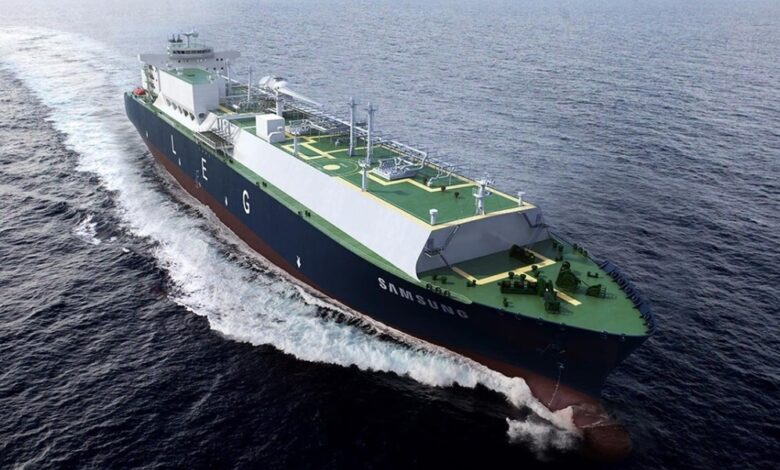
Nord Gas Solutions has secured a contract to supply cargo handling and fuel gas systems for two additional very large ethane carriers being built by Samsung Heavy Industries in South Korea.
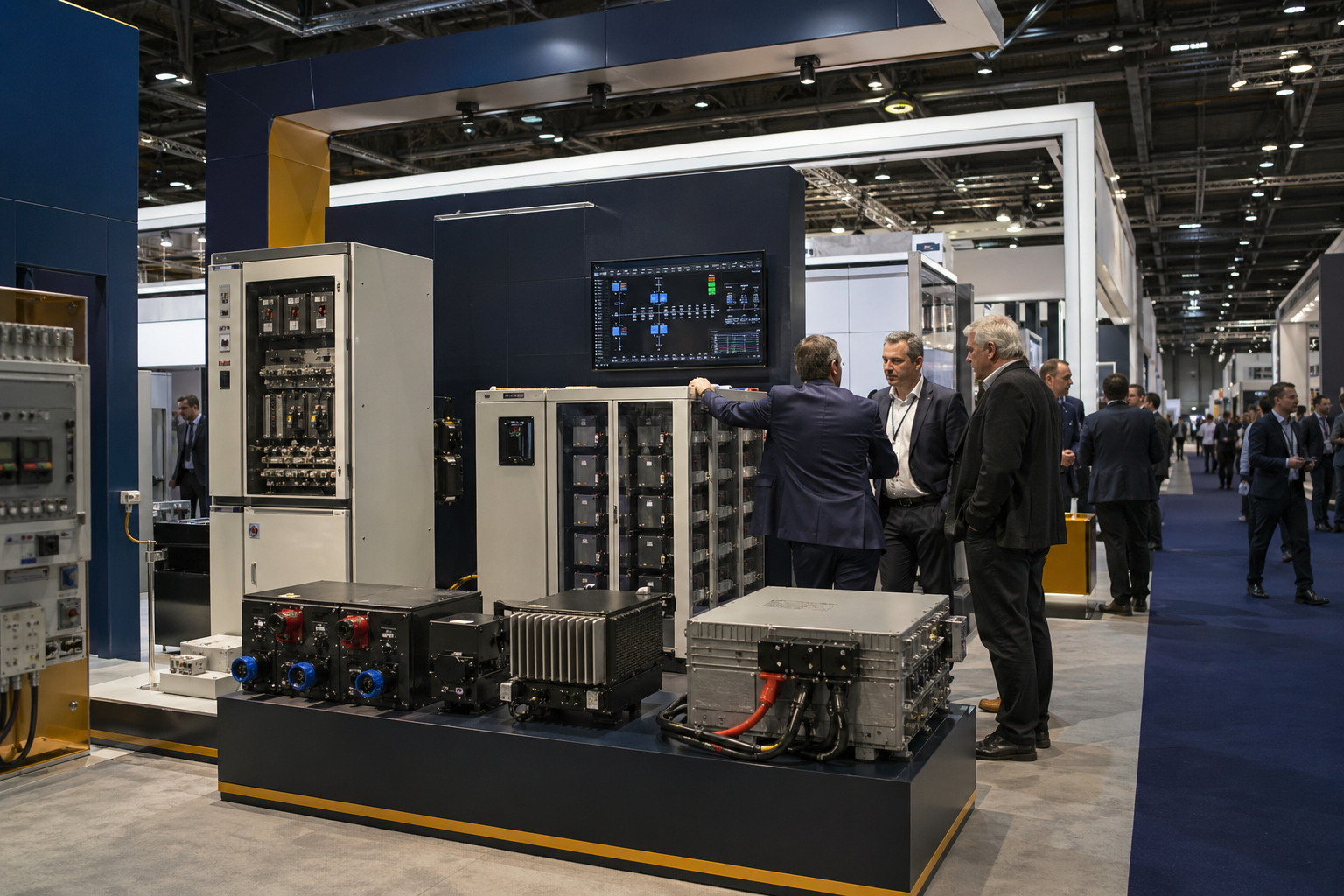
The new vessels extend an earlier programme covering five ships that was awarded when the business still operated as Wärtsilä Gas Solutions. Nord Gas Solutions says the latest scope covers process plant engineering and associated subsystems together with equipment, instrumentation, interface materials between the cargo tanks and hull, and the cargo control system.
Company specialists will support Samsung Heavy Industries during construction and commissioning, with equipment deliveries scheduled to begin in the second quarter of 2027. The owner of the two new vessels has not been named beyond being described as an established Asian joint venture.
Very large ethane carriers combine cryogenic cargo handling with a fuel supply function capable of feeding suitable cargo gas to propulsion machinery. Nord Gas Solutions’ own ethane carrier architecture integrates the cargo system with an ethane fuel gas supply system, allowing the vessel’s process plant and propulsion demand to be managed as connected systems.
Ethane is transported as a refrigerated liquid because liquefaction reduces the volume needed for storage. The cargo tanks, insulation, and process equipment have to maintain conditions within defined pressure and temperature limits throughout loading, voyage, and unloading.
Heat entering a cryogenic tank causes some liquid to evaporate. The resulting vapour has to be managed so that tank pressure remains within limits. An integrated fuel gas system can condition suitable gas for use by the engines, but propulsion demand and cargo behaviour do not always rise and fall together, so the process plant still needs a controlled route for managing changing vapour conditions.
The cargo handling system coordinates pumps, valves, piping, and associated process equipment during transfer and voyage operations. Instrumentation measures variables including pressure, temperature, and level, while the cargo control system uses those signals to supervise sequences, alarms, and interlocks.
Fuel gas conditioning has a separate duty. Gas supplied to the engines has to reach the pressure, temperature, and flow conditions required by the propulsion system. Changes in engine load alter fuel demand, while cargo conditions are influenced by heat ingress and vessel operations, requiring control logic to keep both sides within their permitted ranges.
The contract also includes interface materials between the cargo tanks and the hull. Cryogenic equipment operates at temperatures far below the surrounding ship structure, so interfaces must accommodate thermal contraction and maintain mechanical integrity while loads are transferred between the containment system and vessel.
Nord Gas Solutions’ product information says its ethane carrier systems can also enable vessels to trade ethylene as a second cargo. That additional flexibility depends on the detailed vessel and cargo specification, but it illustrates why the process plant has to be designed around more than a single transfer pump or fuel line.
The latest award follows the contract covering five VLECs announced in September 2025 for vessels being built at the same yard. That earlier programme covered cargo handling and fuel gas systems for ships intended to transport ethane from the United States to Thailand, with equipment delivery due to begin in early 2027.
The present order for two vessels is therefore an additional contract rather than a repeat announcement. Using an established system architecture across a larger vessel series can reduce engineering variation for the yard and supplier, although every ship still requires installation, testing, and commissioning before entering service.
The supplier has also changed ownership since the first order. Wärtsilä completed the divestment of Gas Solutions to Mutares in June 2026, and the business now operates as Nord Gas Solutions. Its current portfolio covers cargo handling, marine fuel supply, liquefaction, regasification, biogas, and related gas processing systems.
Commissioning will test the new vessels as integrated process plants rather than collections of individual components. Sensors, control loops, valves, pumps, alarms, and shutdown functions have to respond correctly through normal operating sequences and defined fault conditions before cargo operations can begin.
Support from Nord Gas Solutions during yard construction gives the supplier responsibility for resolving interfaces as equipment is installed and brought into service. That work is particularly important where tank systems, hull structures, propulsion machinery, and automated process controls meet across different engineering packages.
Deliveries beginning in Q2 2027 will mark the next physical milestone. Yard installation and commissioning will follow before the two additional VLECs can enter service with their cargo and fuel gas systems operating as a coordinated plant.