IN Brief:
- RINA and PTT Innovation Institute have signed two MoUs covering research, technical cooperation, and knowledge sharing.
- RINA Consulting will provide engineering consultancy capability, while RINA Services covers certification, verification, assurance, and classification.
- Defined workstreams include hydrogen readiness, cold energy use, carbon management, alternative fuels, and potential applications around data centres and SMRs.
RINA and Thailand’s PTT have signed two memoranda of understanding establishing a framework for engineering, research, and assurance work across hydrogen, alternative fuels, vessel electrification, carbon management, and other emerging energy technologies.
The agreements were signed through the PTT Innovation Institute. RINA Consulting will contribute engineering consultancy expertise, while RINA Services will work on certification, verification, assurance, and classification under recognised principles governing competence, impartiality, and management of conflicts of interest.
The workstreams include alternative and lower carbon fuels, sustainable aviation fuels, vessel electrification, digitalisation, carbon management solutions, hydrogen readiness, and use of cold energy. RINA and PTT have also identified possible cold energy applications involving data centres and small modular reactors, although the agreements do not announce either a data centre project or an SMR development.
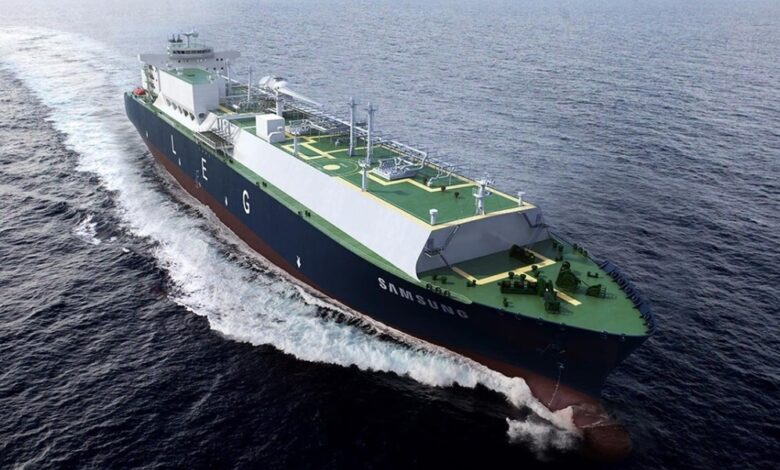
Cold energy utilisation aims to recover useful thermal potential from processes operating at very low temperatures. Liquefied gases are one possible source because significant energy has been used to cool them before storage and transport. When the liquid is warmed or regasified, part of the temperature difference may be recoverable for another process rather than being rejected unused.
A workable system depends on the temperature level, location, and operating profile of both source and user. A continuous cooling load can be easier to integrate than a highly intermittent one, while heat exchangers, pumps, controls, and backup arrangements have to maintain the receiving process when the cold source is unavailable or operating outside its normal range.
Data centres provide one possible demand because computing equipment rejects heat continuously during operation. The MoUs do not specify an architecture, capacity, or site, so any link between PTT infrastructure and data centre cooling remains a feasibility topic. Engineering work would have to establish whether the temperature, distance, reliability, and economics of a particular cold source suit the cooling system involved.
The reference to small modular reactors is similarly exploratory. Nuclear facilities impose strict requirements on safety classification, quality assurance, verification, and configuration control. A possible application cannot be treated as a reactor project until a specific technology, site, and licensing route exist, but the combination of engineering consultancy and independent assurance explains why nuclear related feasibility work sits within the framework.
Hydrogen readiness requires a different type of assessment. Introducing hydrogen into equipment originally designed for natural gas can affect materials, seals, valves, compressors, burners, metering, and detection systems. The extent of any modification depends on hydrogen concentration, pressure, duty cycle, and the original equipment specification.
Combustion behaviour also changes as hydrogen content rises. Flame speed, ignition characteristics, and emissions can differ from natural gas, requiring equipment and controls to be assessed for the intended fuel rather than assuming compatibility from pipework alone. Purpose built hydrogen systems have different requirements again.
Certification and verification become important where emerging fuels or technologies have to satisfy regulatory, safety, or environmental claims. For a lower carbon fuel, the evidence may include feedstock origin, energy inputs, production data, and lifecycle greenhouse gas calculations. If the measurement and traceability system is weak, a technically functioning process may still fail to demonstrate compliance with the standard required by regulators or customers.
RINA Services’ role therefore sits alongside the engineering work rather than following it automatically at the end. Measurement points, data quality, and inspection access can influence plant design where operators expect to seek certification or independent assurance once the technology is deployed.
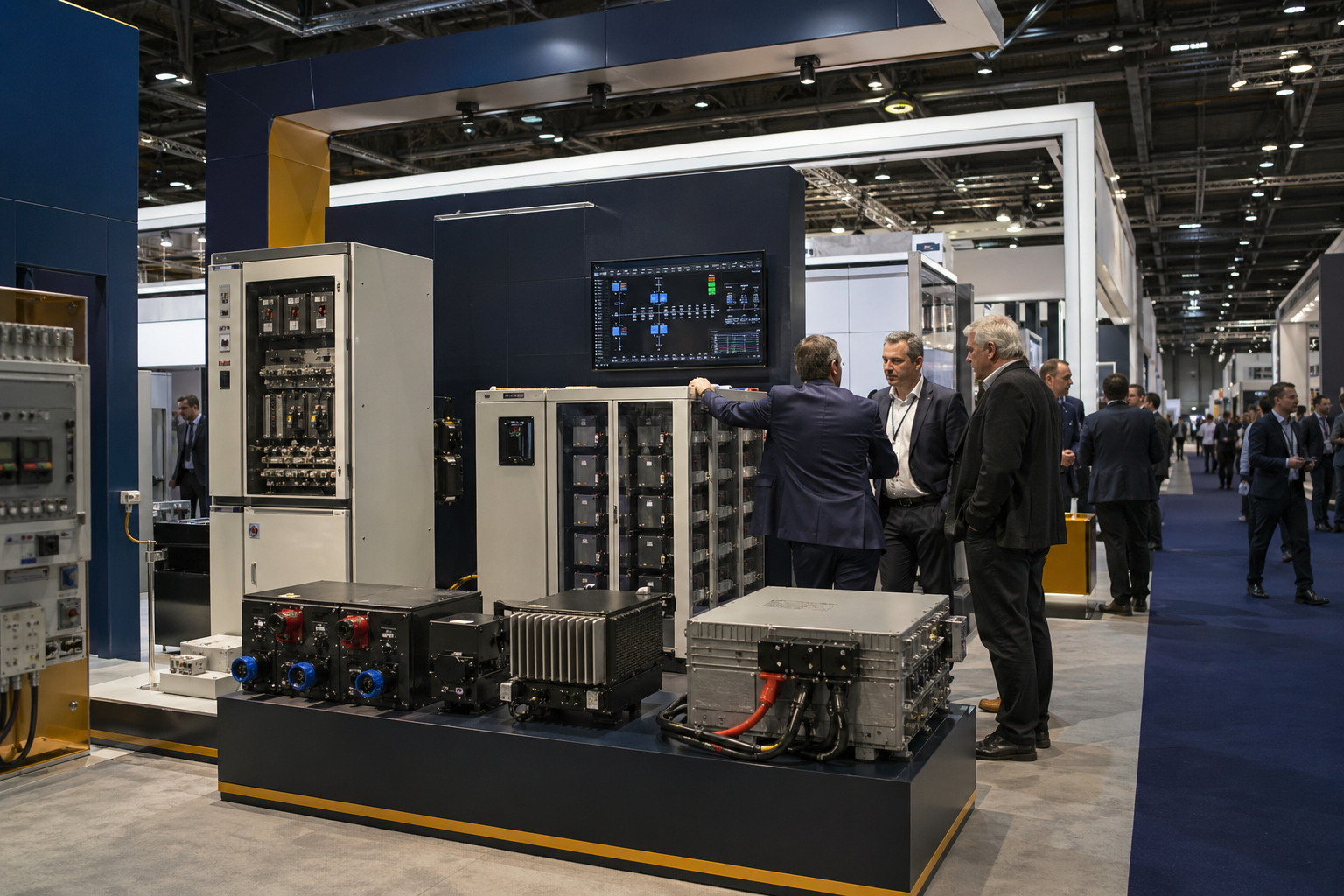
Vessel electrification adds another integration challenge. Batteries, hybrid propulsion, charging interfaces, and onboard power management systems have to operate within tight limits on space and weight while retaining redundancy and marine safety. Electrical protection also has to account for the characteristics of converters and battery systems rather than assuming the fault behaviour of a conventional rotating generator.
The two MoUs do not assign equipment quantities, project values, or delivery dates. Their immediate purpose is to provide a formal route for research collaboration, technical cooperation, and knowledge sharing across defined subjects, with individual projects requiring separate feasibility, investment, and contracting decisions before physical delivery begins.
PTT’s integrated energy and petrochemical activities give the workstreams access to potential industrial applications, while RINA brings engineering and assurance capabilities that can be applied as concepts move from study towards demonstration. The usefulness of the collaboration will depend on whether specific assets, operating duties, and commercial cases emerge from the individual studies.
The agreements establish a technical framework rather than a construction programme. Hydrogen readiness, cold energy recovery, electrification, and certification each have established engineering disciplines behind them, but the next material milestones will come only when RINA and PTT identify projects with defined sites, specifications, and delivery decisions.