IN Brief:
- Zelestra will add approximately 100MWh of battery storage at Pedroso and 362MWh at Valkyria.
- Both batteries have four hour duration and will operate alongside existing solar generation under long term agreements with EDP.
- The latest projects take the companies’ Spanish hybrid portfolio to four sites and more than 1GWh of contracted storage.
Zelestra and EDP have agreed two further solar and battery power purchase arrangements in Spain, adding approximately 462MWh of storage to operating photovoltaic plants at Pedroso in Seville and Valkyria in Castilla-La Mancha. Both batteries are designed for four hours of discharge, extending a partnership that now covers four Spanish hybrid projects and more than 1GWh of contracted storage.
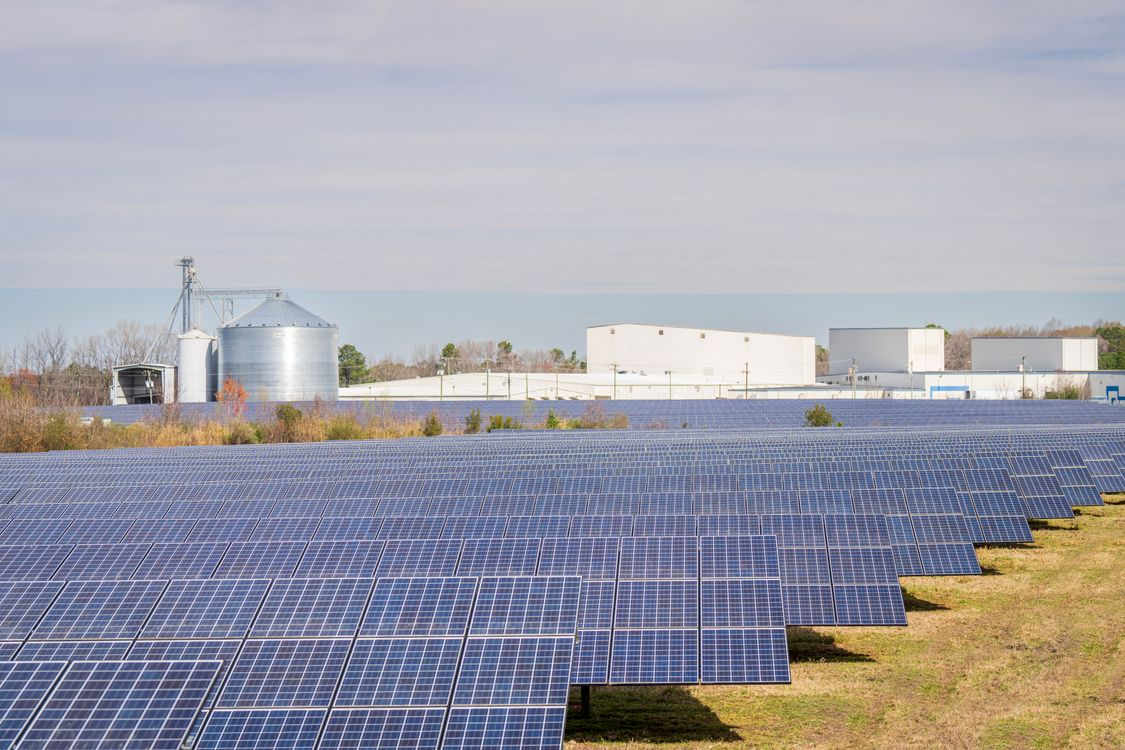
At Pedroso, Zelestra will install a 25MW battery with approximately 100MWh of energy capacity alongside an existing 31MWdc solar plant. Valkyria is substantially larger, combining its 150MWdc photovoltaic installation with a planned 90.45MW battery rated at approximately 362MWh.
EDP already buys electricity from both solar plants and will now act as the offtaker for the combined assets under new long term agreements. Adding batteries alters the delivery profile because some electricity produced during strong solar periods can be stored rather than exported immediately and released later under the commercial and operating conditions agreed for each site.
A four hour configuration provides roughly four megawatt hours of nominal stored energy for each megawatt of rated discharge power. Continuous operation at maximum output would therefore exhaust the stored energy in about four hours before accounting for operating reserves, efficiency losses and battery management limits.
That duration allows solar generation to be moved from daytime periods into later demand. Charging can absorb output that would otherwise reach the grid immediately, while discharge changes the export profile seen at the connection point. Participation in other markets will depend on the control system, connection agreement and commercial contract.
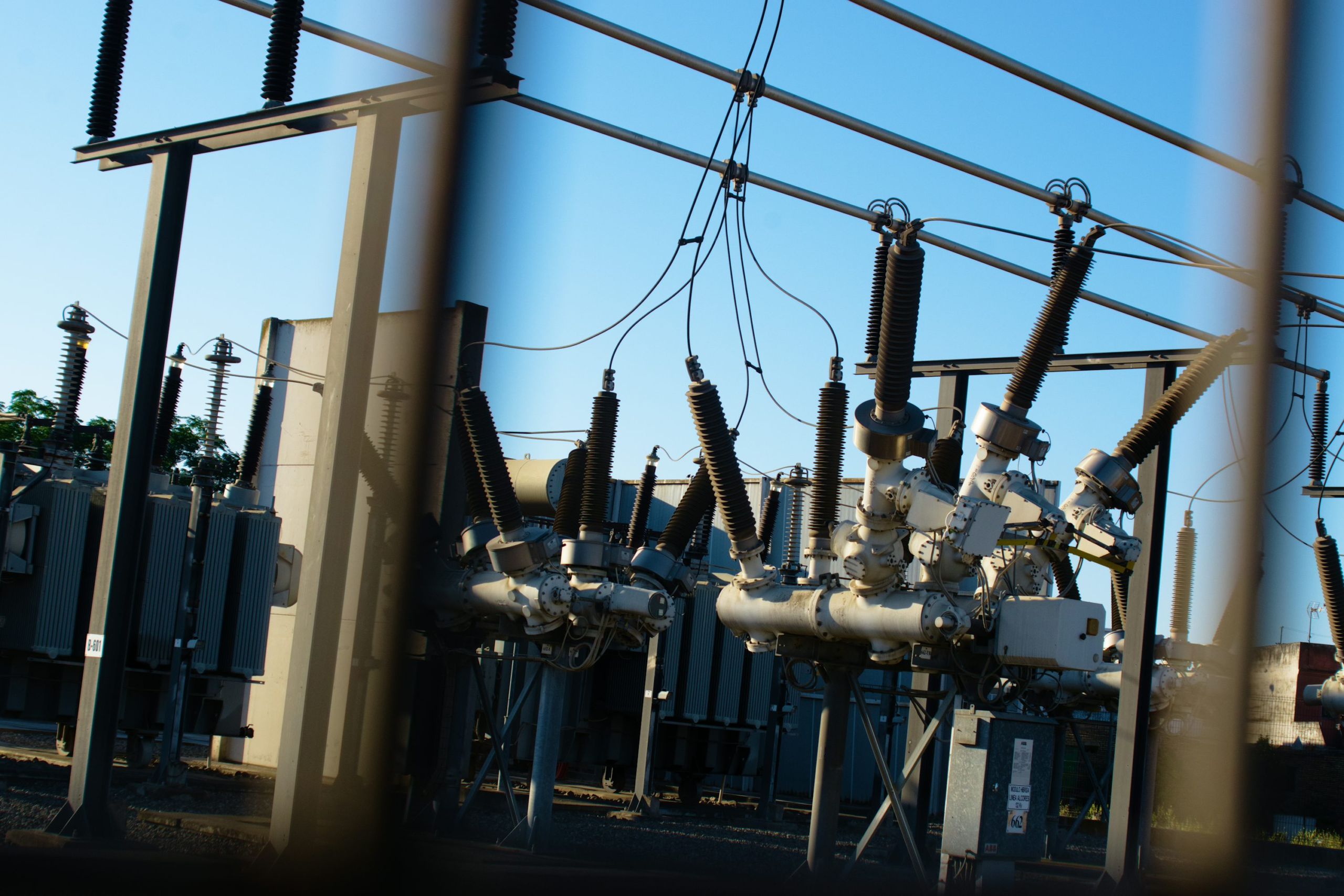
Using an existing renewable site can also reduce duplication of electrical infrastructure. Transformers, switchgear, protection, metering and the grid connection already serve the solar plant, although engineers still have to make sure combined solar and battery flows remain within the thermal and protection limits of the shared equipment.
The energy management system consequently has to coordinate photovoltaic output, battery state of charge, contractual delivery requirements and network constraints. It determines when energy should be stored or released while keeping the battery and connection inside their operating envelopes.
The latest agreements take the Zelestra and EDP relationship to four hybrid projects in Spain. EDP will have access to more than 1GWh of contracted storage associated with the portfolio once the projects are operational.
Zelestra has been applying the same combination of generation and storage elsewhere in Europe. In September, a separate agreement with Salzgitter in Germany covered two projects combining 147MW of solar generation with 79MW/237MWh of battery storage.
Spain’s strong solar resource creates large volumes of generation during similar daylight periods, which can depress prices or increase curtailment when network capacity and demand are unable to absorb all available output. Batteries can move part of that electricity into later hours, although a four hour system cannot absorb unlimited surplus generation or cover an extended period of weak renewable output.
Commercial performance therefore depends on repeated cycling and on the difference in value between charging and discharging periods. Round trip losses mean less energy is returned than was used to charge the system, while every cycle contributes to gradual cell degradation.
Storage can also alter the structure of renewable PPAs. A conventional solar agreement largely follows the plant’s production profile, while a battery creates scope to deliver a more controlled output profile within the limits imposed by its duration, state of charge and contracted operating obligations.
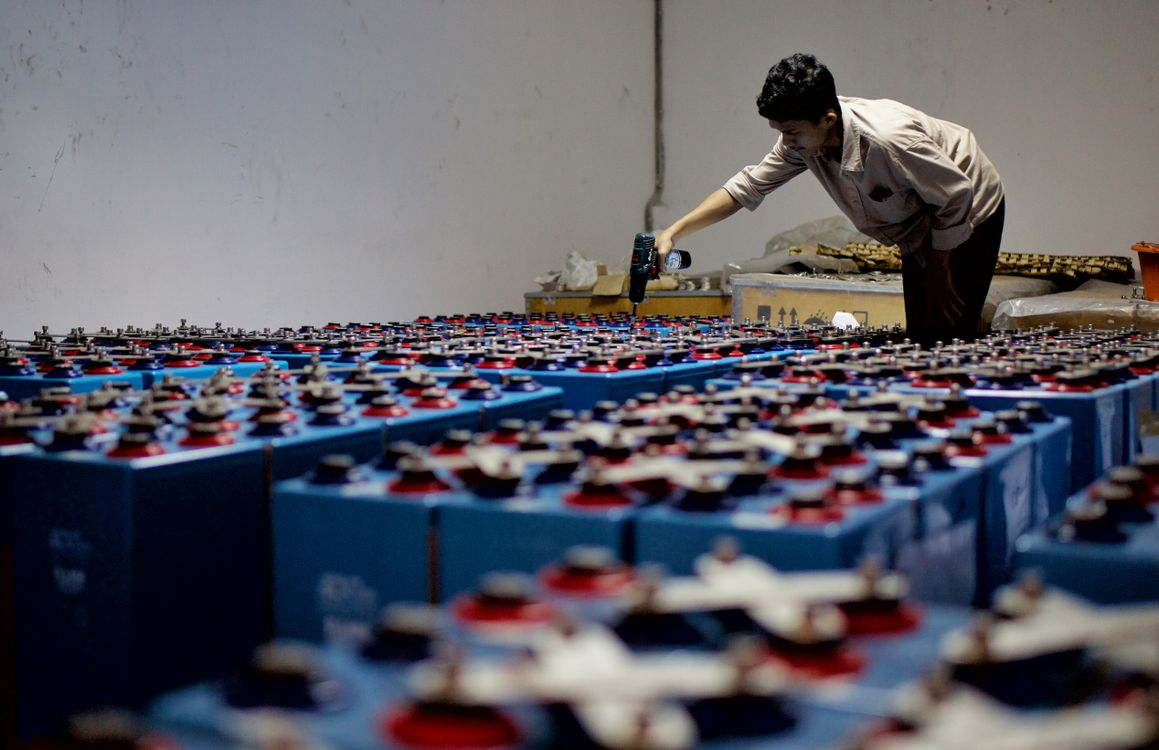
Construction at Pedroso and Valkyria will require battery enclosures, power conversion equipment, transformers, protection, fire systems, thermal management and supervisory controls to be integrated with live generating sites. Commissioning will have to prove that both resources can operate together without exceeding the limits of their shared network infrastructure.
Approximately 462MWh across the two sites is enough to change materially how their solar output interacts with the grid. The commercial agreements are now in place; the engineering work is to turn them into operating batteries whose controls, degradation performance and shared connections can deliver the four hour flexibility on which those contracts depend.