IN Brief:
- Amprion has issued two €750m green bond tranches with six year and ten year maturities.
- The proceeds are restricted to qualifying transmission expansion and upgrade projects under the company’s Green Finance Framework.
- Amprion expects around €7bn of grid investment in 2026 and approximately €42bn by the end of 2030.
Amprion has issued €1.5bn of new green bonds to finance expansion and upgrading of Germany’s transmission network, completing its planned bond funding for 2026. The transmission system operator placed two €750m tranches under its €25bn debt issuance programme as it works through an investment plan of roughly €42bn to the end of 2030.
The first tranche has a six year maturity and carries a 4.398% annual coupon, while the second matures in ten years with a 4.838% coupon. Both are expected to be listed on the Euro MTF market of the Luxembourg Stock Exchange and to carry Baa2 and A- ratings from Moody’s and Fitch respectively.
Proceeds are restricted to projects qualifying under Amprion’s Green Finance Framework. The structure links eligible financing to transmission expansion and modernisation rather than allowing green bond proceeds to fund unrelated corporate expenditure.
The issue completes the company’s bond funding for the year, but its capital requirement extends well beyond 2026. Amprion expects around €7bn of transmission investment during the current financial year and about €42bn across the five years to the end of 2030.
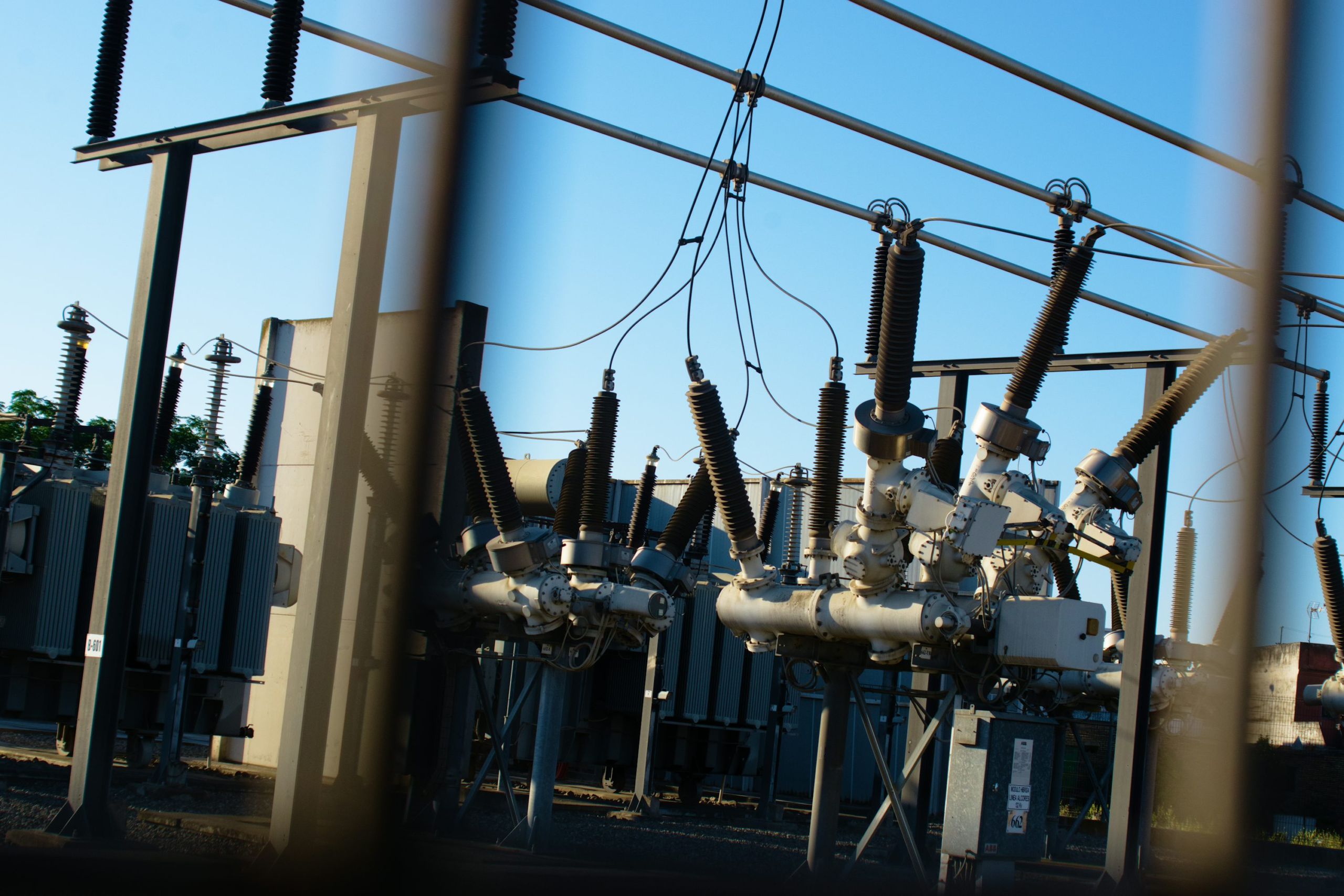
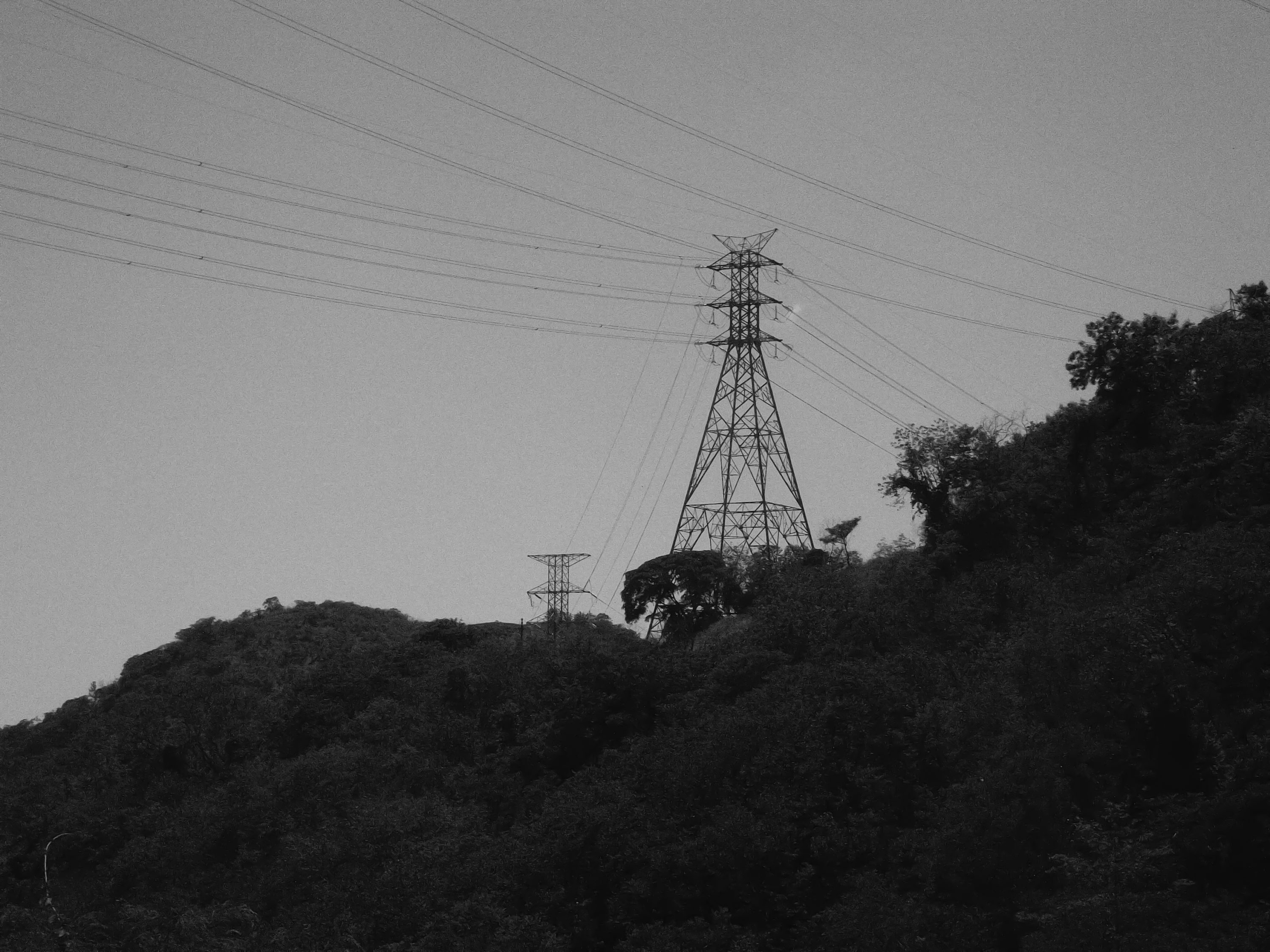
Amprion operates around 11,000km of extra high voltage network across western and southern Germany and is building or modernising thousands of kilometres of onshore and offshore infrastructure as generation and demand shift geographically.
Large north to south electricity corridors form a central part of that programme. Germany has added substantial wind generation in the north while major industrial and population centres remain concentrated further south and west, increasing the amount of electricity that has to move between regions through new transmission routes, uprated circuits, substations and converter stations.
The financing structure has to reflect the long construction cycle of those assets. Transmission projects can take years to permit, procure and build, while the completed equipment is expected to operate for decades. Longer maturity debt allows part of that capital requirement to be spread across a period more closely aligned with the life of the infrastructure, although interest costs still enter the regulated financing requirement.
Amprion has diversified its funding as the programme has expanded. Earlier in 2026 it issued its first green hybrid bonds, raising €1bn through two €500m tranches, and refinanced and expanded its syndicated revolving credit facility to €6.5bn. January also brought a large senior green bond transaction, while shareholder capital has been strengthened as RWE increases its indirect exposure to the transmission operator.
The latest issue adds another €1.5bn to that capital structure. Green bond status does not alter the electrical performance of a line or substation, but the use of proceeds framework restricts how the financing can be allocated and requires reporting against eligible assets.
Grid spending is already running at historically high levels. Amprion reported around €2bn of capital expenditure under German accounting rules in the first half of 2026 after investing a record €5.4bn during 2025.
The operator expects to complete one major energy corridor each year from the end of 2026, beginning with Ultranet. Offshore connections create another capital intensive requirement through converter platforms, submarine and land cables, converter stations and high voltage direct current equipment.
Even after financing is secured, delivery remains constrained by manufacturing capacity for transformers, switchgear and cable, the availability of skilled engineers and construction teams, permitting and the ability to take existing network assets out of service while work proceeds. Amprion’s programme covers roughly 3,700km of onshore extra high voltage line work and more than 5,600km associated with its offshore business.
The network has to remain secure throughout that buildout. Existing circuits cannot simply be withdrawn whenever reinforcement is convenient, so construction sequences, temporary configurations and planned outages have to be coordinated with real time system operation.
The coupons on the latest bonds also expose the financing cost attached to the programme. Both tranches carry rates above 4%, placing current transmission investment in a materially different interest environment from the exceptionally cheap European infrastructure finance available earlier in the decade.
Completing the 2026 bond programme therefore resolves one financing step rather than the wider grid programme. Amprion has several years of heavy capital expenditure ahead, and delivery will depend on how quickly that funded pipeline can move through permitting, equipment supply, construction, testing and energisation.