IN Brief:
- Cyberhawk has secured a three-year SSE drone inspection agreement with an option for two further years.
- The scope covers SSEN Transmission and SSEN Distribution and extends into offshore wind turbine inspection.
- SSE has separately renewed the iHawk service used to manage imagery, geospatial information, and inspection analytics.
Cyberhawk has secured a three-year agreement to provide specialist drone inspection and surveying services across SSE’s British electricity transmission and distribution networks, with an option to extend the contract for a further two years.
The agreement covers SSEN Transmission and SSEN Distribution and represents the third major long term award between Cyberhawk and SSE during a relationship extending for more than a decade. Its scope also reaches beyond the regulated networks into offshore wind turbine inspection.
Cyberhawk has been awarded Lot 2 for offshore wind turbine inspection, adding SSE’s offshore renewable generation assets to work that already spans transmission and distribution infrastructure. A separate multi-year agreement for the company’s iHawk digital asset service has also recently been renewed.
The combination links two parts of infrastructure inspection that have often been handled separately: collection of field data and management of the resulting condition records. A drone can reduce the need for inspectors to climb structures or approach difficult live assets, but the value of the survey depends on whether imagery can be associated accurately with the correct equipment and converted into maintenance decisions.
Cyberhawk describes iHawk as a system of record for infrastructure inspection. It brings together imagery, geospatial information, and AI-assisted analytics in an asset-centred environment intended to support defect assessment, risk prioritisation, workflow management, and operating decisions.
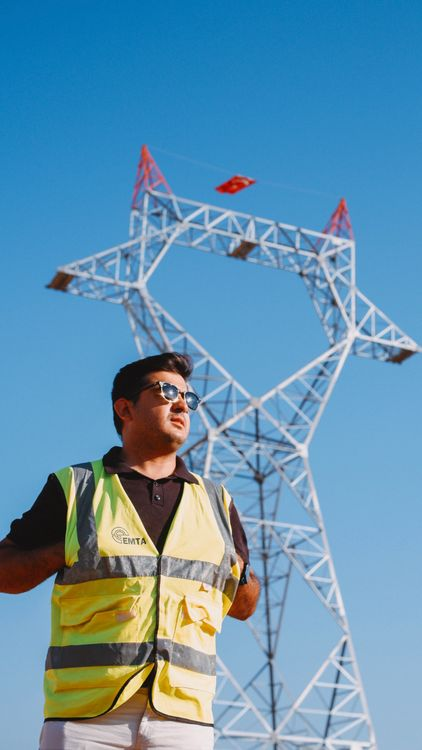
For electricity networks, maintaining that link between an image and a specific component is essential. Transmission towers, conductors, insulators, fittings, substations, and distribution equipment can produce very large inspection datasets, particularly when repeat surveys are conducted across thousands of kilometres of infrastructure. Engineers need to identify whether a recorded condition is new, stable, or deteriorating rather than simply adding another set of photographs to an archive.
A consistent digital history also supports maintenance prioritisation. Similar defects can carry different operational consequences depending on asset type, voltage level, environment, loading, and the position of the equipment within the network. Geospatial and inspection records allow maintenance teams to compare condition information with those wider operational factors when work programmes are assembled.
The SSE relationship gives Cyberhawk a long data history on which to build. The latest contract follows two previous five-year agreements, so inspection records can potentially be compared across several maintenance cycles rather than being limited to a one-off campaign. Continuity becomes particularly useful where engineers need to determine the rate at which corrosion, component damage, vegetation encroachment, or another observable condition is progressing.
Offshore wind adds a different inspection environment. Turbine towers, blades, and associated structures are exposed to marine conditions, while physical access depends on weather, vessels, working-at-height procedures, and turbine availability. Remote inspection can reduce the amount of close physical access required for an initial condition assessment, although defects identified from imagery may still require technicians to investigate or repair them directly.
Inspection planning also interacts with generation availability. Taking a turbine out of service has an electricity production cost, particularly during periods of favourable wind conditions, while delaying inspection can allow defects to progress. Better condition information can help operators decide when intervention is justified and whether work can be combined with another planned outage.
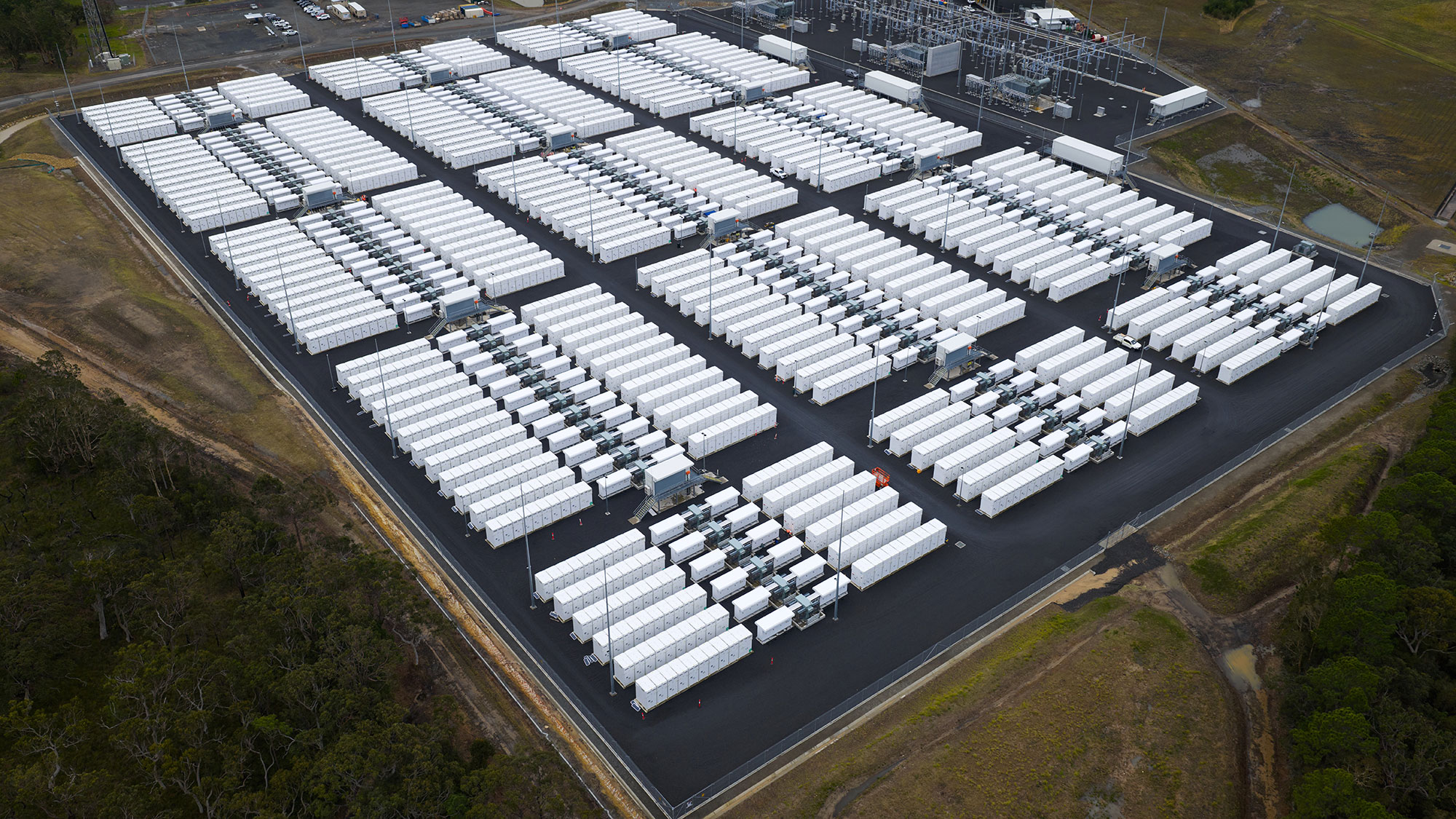
SSE is simultaneously increasing investment across its network businesses, adding new infrastructure that will eventually enter the same inspection and maintenance regimes as existing assets. The group has set out an investment programme of approximately £33 billion to 2030, with electricity networks forming a substantial part of that expenditure.
Network expansion creates a parallel asset-management task. New transmission lines, substations, and distribution equipment require baseline records when commissioned, while older infrastructure still needs inspection as loading patterns change around it. A larger asset base therefore increases both the volume of inspection data and the need to direct maintenance effort according to condition and system criticality.
Drone programmes can reduce some field exposure and survey time, but they do not remove the engineering work behind inspection. Flight planning, image resolution, weather, access permissions, data quality, defect classification, and human review all affect whether the resulting information is useful. Automated analysis can help sort large datasets, but maintenance decisions remain dependent on asset standards and engineering judgement.
The three-year term, two-year extension option, offshore scope, and separate iHawk renewal give the SSE relationship a broader function than a succession of individual drone surveys. Cyberhawk will be collecting condition data while maintaining the digital environment used to organise it, creating a common inspection chain across transmission, distribution, and selected renewable generation assets.
The operating test will be how effectively that expanding dataset translates into maintenance interventions. As SSE adds new network infrastructure, the value of inspection technology will be measured less by the number of flights completed than by whether defects are detected early, records remain consistent, and engineering teams can direct work towards the assets carrying the greatest operational risk.