IN Brief:
- Greek net electricity exports increased from 91.93GWh to 126.87GWh as domestic demand fell 9.32%.
- Bulgaria retained a larger 247.47GWh export balance despite a 9.90% weekly reduction.
- Interconnection capacity allows neighbouring systems to absorb different national generation and demand movements, subject to network availability.
Greece increased its net electricity exports in the week to 20 September as domestic demand and gas-fired generation fell, while Bulgaria retained a much larger export position despite weaker hydropower production.
Greek net exports rose from 91.93GWh to 126.87GWh. Electricity demand declined 9.32% to 1,019.36GWh and gas-fired generation fell 12.46%, while wind output increased 10.3%. Solar generation moved in the opposite direction, declining 9.2% over the week.
Bulgaria recorded a net export balance of 247.47GWh, although its surplus was 9.90% lower than a week earlier. Hydropower generation fell 28.51% to 37.61GWh and total thermal generation remained broadly stable. Bulgaria’s average day-ahead price fell 2.93% to €162.07/MWh, compared with €155.42/MWh in Greece.
The two systems therefore maintained export positions through different combinations of generation and demand. Greece benefited from lower consumption and stronger wind output while reducing gas-fired generation. Bulgaria continued to export substantially more electricity despite losing part of its hydro contribution.
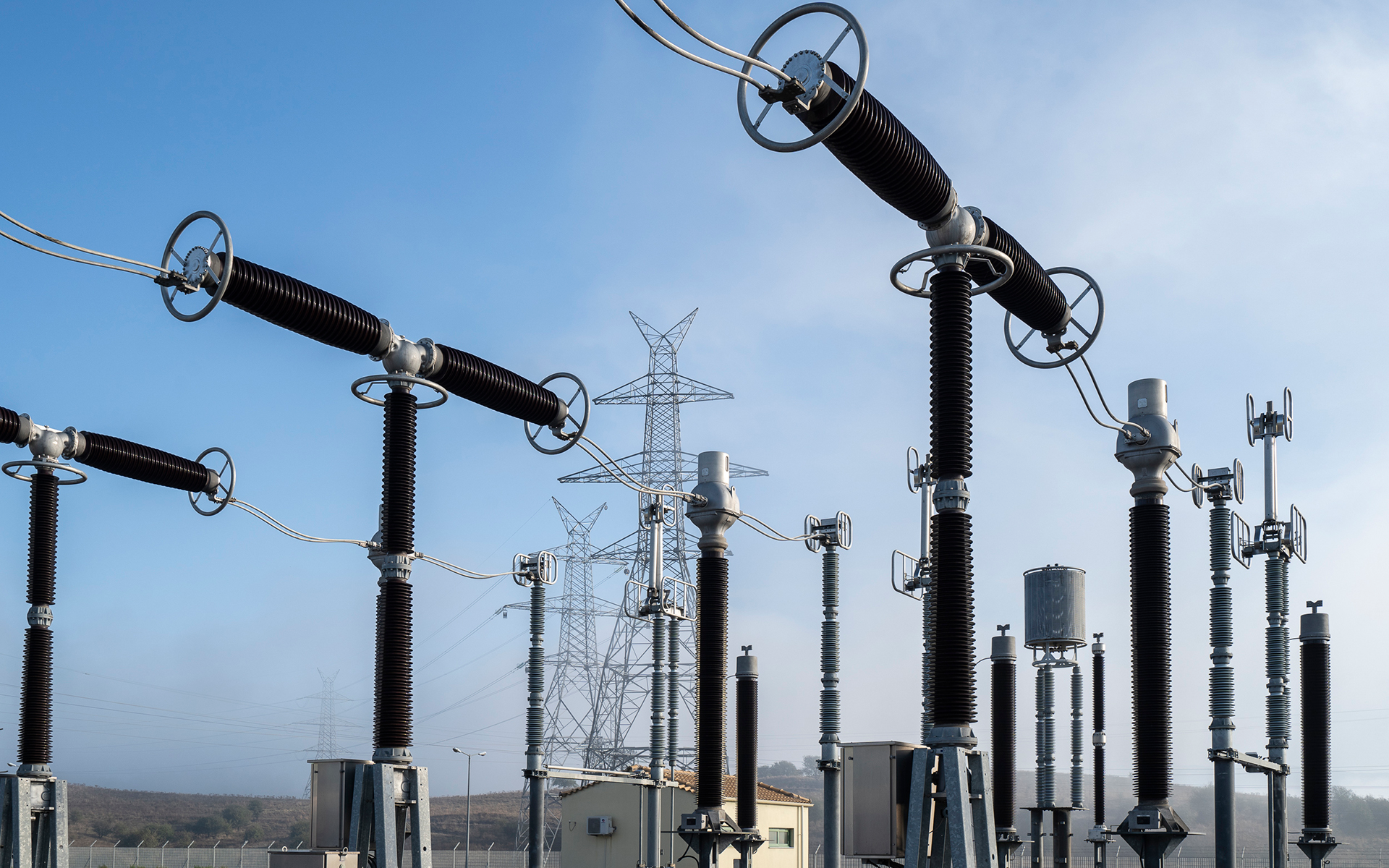
Independent Power Transmission Operator (IPTO) operates the Greek transmission system and its international interconnections. Greece and Bulgaria are linked by high-voltage infrastructure that supports commercial exchanges and allows the two national systems to respond to changing generation and demand conditions across the border.
National net export figures should not be read as a direct measure of bilateral physical flows between Greece and Bulgaria. Each country is connected to several neighbouring systems, while physical electricity follows network conditions rather than contractual borders. Commercial schedules, market coupling, transmission capacity, and actual system flows interact but are not identical.
Greece’s weekly balance changed while gas generation was falling. Lower demand reduced the volume required for domestic consumption, while stronger wind production increased the electricity available from another source. Solar output declined, yet the combined system position still allowed Greece to send more electricity out of the country on a net basis.
Bulgaria reached a different balance. The 28.51% reduction in hydropower removed part of a generation source that can respond comparatively quickly to changing system conditions, but broadly stable thermal output helped maintain a substantial export surplus. The country exported less than in the preceding week without losing its position as the larger exporter of the two.
Cross-border transmission provides a route for those differences to be shared across the wider market. When one system has surplus generation and another faces tighter conditions, interconnectors can reduce the amount of higher-cost generation required locally. The benefit is limited by how much network capacity is available at the relevant hour and by conditions elsewhere on the interconnected system.
ACER’s examination of Southeast European electricity markets has identified cross-border capacity as an important constraint during periods of regional stress. The regulator found that limited import capability prevented lower-priced electricity from fully mitigating high-price conditions during earlier episodes, while insufficient flexible generation and demand-side resources compounded the problem.
Market integration is extending beyond day-ahead energy trading into balancing arrangements. Italy’s planned entry into the MARI balancing platform is one recent example of European transmission operators using common mechanisms to exchange balancing energy. The development is separate from the Greek and Bulgarian weekly export figures, but both reflect a system in which national balancing increasingly depends on coordination across borders.
Weekly export balances remain sensitive to factors that can change quickly. Wind and solar production can move sharply with weather conditions, hydro output depends on water availability and operating strategy, thermal generation responds to fuel and carbon economics, and plant outages can alter the available mix with little notice.
Demand will also become more important as autumn progresses. A country exporting electricity during a mild week can move closer to balance, or become an importer, when consumption rises or domestic generation falls. Transmission outages or congestion can produce a similar change even when generating capacity remains available.
The week to 20 September nevertheless shows how neighbouring markets can arrive at strong export positions through different operating conditions. Greece increased exports while cutting gas generation and serving lower demand, whereas Bulgaria retained the larger surplus despite a sharp reduction in hydropower. Their ability to sustain those positions will depend increasingly on seasonal demand, generation availability, and the amount of cross-border capacity available when electricity is needed.