IN Brief:
- Ofgem is consulting on delivery incentives for the 1.8GW LionLink and 1.4GW Nautilus offshore hybrid projects.
- Both projects combine electricity interconnection with offshore wind transmission in neighbouring markets.
- Proposed controls cover regime start dates, backstop dates, delay payback, reasonable-delay events, and pre-operational force majeure.
Ofgem has opened consultation on delivery timelines and incentives for LionLink and Nautilus, the two non-standard interconnector projects progressing through Britain’s Offshore Hybrid Asset Pilot Scheme.
LionLink is a proposed 1.8GW electricity link to the Netherlands, while Nautilus is rated at 1.4GW and would connect with Belgium. Ofgem granted both projects a regulatory regime in principle in November 2024 and is now proposing the framework that would govern delivery dates and the consequences of delay.
The consultation covers five main mechanisms: the Regime Start Date, Backstop Date, Payback Mechanism for Delays, Reasonable Delay Events, and pre-operational force majeure. Ofgem says the structure is intended to strengthen developer accountability while recognising that very large infrastructure projects can encounter delays outside the developer’s control.
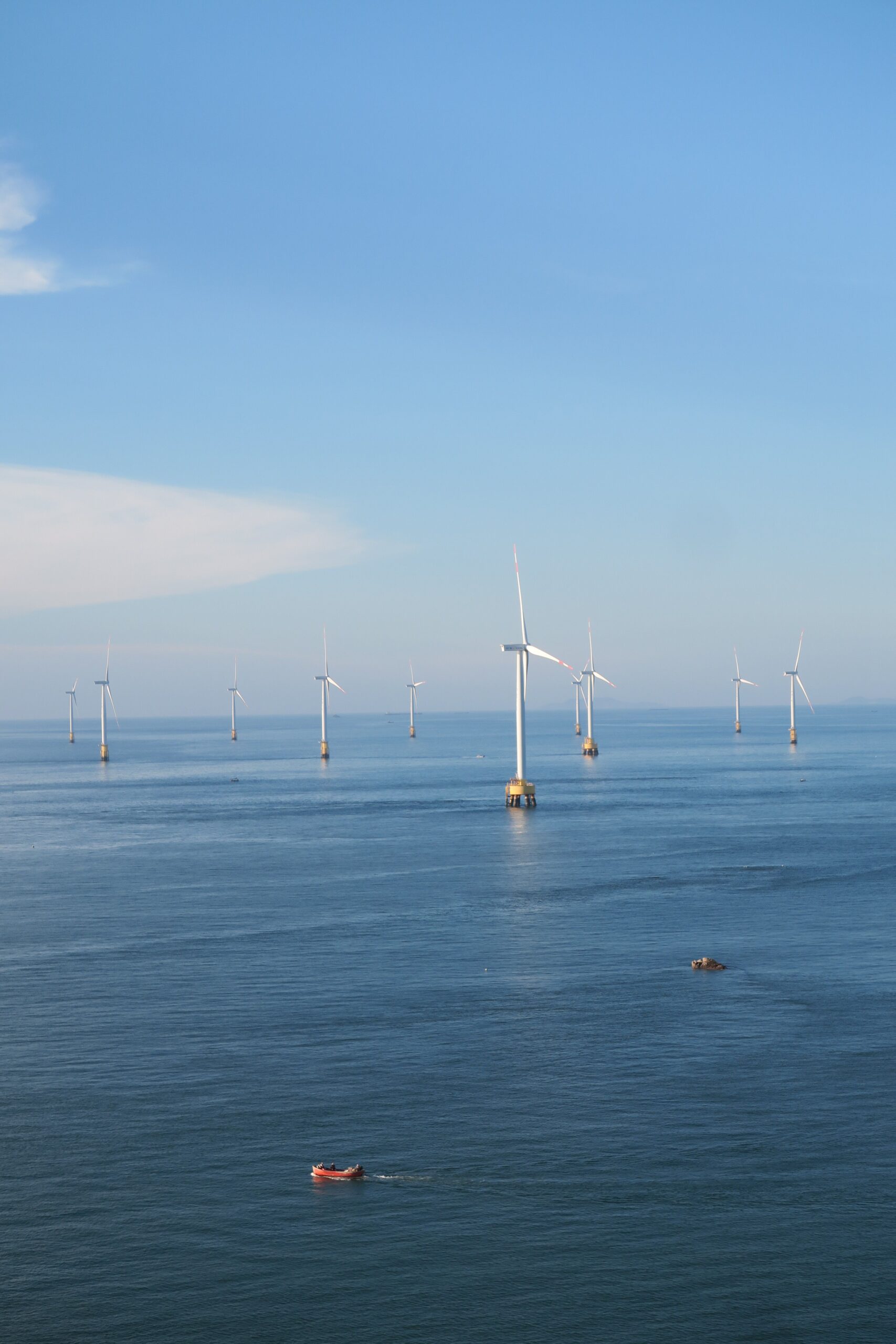
Offshore hybrid assets differ from conventional interconnectors because they combine cross-border electricity transfer with offshore wind transmission. Instead of an interconnector linking two onshore electricity systems independently of generation, an offshore converter station in the connecting jurisdiction can also receive electricity from offshore wind.
The architecture is intended to reduce the duplication created when wind farms and international interconnectors are developed as separate point-to-point systems. In principle, shared offshore infrastructure can move renewable generation towards demand while retaining the ability to exchange electricity between national markets.
The electrical integration is correspondingly more complicated. HVDC converters, subsea cables, offshore platforms, protection, control, metering, and onshore grid connections must operate across several system boundaries, while the commercial rules have to accommodate both power arriving from wind generation and cross-border trading.
LionLink is being developed by National Grid Ventures and TenneT. National Grid’s current proposals include an extension at Kiln Lane Substation, underground high-voltage AC cables to a converter station east of Saxmundham, underground HVDC cables to the Suffolk landfall, and offshore HVDC cables extending to the edge of the UK’s Exclusive Economic Zone.
The project is intended to connect with offshore wind infrastructure in the Netherlands while permitting electricity flows between the British and Dutch systems. National Grid completed a targeted consultation on local changes during summer 2026 and currently expects to submit its development consent application during the first half of 2027.
Nautilus applies the same regulatory concept to a link with Belgium. Ofgem describes it as a 1.4GW connection to an offshore converter station on Belgium’s Princess Elisabeth energy island, combining an interconnector with transmission of electricity from offshore wind generation.
Both projects depend on high-voltage direct current technology because of the transmission distances and power levels involved. Converter stations turn alternating-current electricity into direct current for the subsea transmission section before converting it back into AC for connection with the receiving network.
Converter availability is therefore central to the capacity of the whole asset. Transformers, converter valves, cooling equipment, harmonic filters, control platforms, auxiliary supplies, protection, and cable systems have to operate as one installation, and failures in a relatively small supporting subsystem can restrict a much larger amount of transmission capacity.
Hybrid operation adds another control requirement because available capacity must accommodate offshore generation and international electricity flows. When wind output is high, the infrastructure may need to prioritise generation export while still responding to market conditions between the connected countries. When offshore output falls, more of the cable capacity may be available for conventional interconnector trading.
The proposed regulatory dates give developers a timetable against which that engineering programme can be assessed. Long-lead converter transformers, HVDC equipment, subsea cables, offshore construction vessels, and civil works have to be ordered years before an operational date, so uncertainty over the regulatory regime can affect procurement and financing well before commissioning.
Ofgem is proposing delay mechanisms because not every programme risk sits with the developer. Planning decisions, consenting, third-party infrastructure, supply-chain disruption, and force majeure can alter a project timetable even where the main contractor or owner is performing as expected. The framework therefore separates accountable delays from specified events that may justify relief.
Conversely, an unlimited ability to delay would weaken the value of granting a regulated regime in advance. System planners and neighbouring infrastructure developers need credible dates for when several gigawatts of transfer capacity will become available, particularly where offshore wind connections are being designed around the same assets.
The consultation closes on 15 October. LionLink and Nautilus remain development projects rather than committed operational links, but Ofgem’s proposal starts to define the delivery clock against which their eventual construction could be measured. For hybrid assets, regulatory certainty and electrical integration are being developed in parallel because neither can be resolved after the offshore hardware has already been ordered.