IN Brief:
- The NAO says completing the required transmission upgrades by 2030 will be very challenging because of planning, supply-chain, and system-access risks.
- Constraint costs reached £1.9bn in 2025/26 and could rise to £7.8bn by 2030 without concerted action.
- Of 80 projects identified in NESO's 2024 Clean Power advice, 64 are under way, with many still at an early development stage.
The National Audit Office has warned that completing Britain’s planned electricity transmission upgrades by 2030 will be very challenging, with planning, supply-chain, and system-access risks threatening delivery as renewable generation expands faster than parts of the network can accommodate.
The watchdog’s assessment puts project execution at the centre of the issue. Ofgem estimates that around £70 billion of transmission investment will be required between 2025 and 2031, while the National Energy System Operator identified 80 projects as necessary in its 2024 Clean Power advice.
Sixty-four of those projects are under way, but the NAO says most remain at an early development stage and are not expected to connect on the dates NESO originally considered optimal for containing constraint costs. Many also face significant risks against their current forecast delivery dates.
Those delays have a direct system cost. When transmission capacity is insufficient to carry electricity from where it is generated to where it is required, NESO has to alter the output of generators to keep the system secure. Constraint payments totalled £1.9 billion in 2025/26 and could reach as much as £7.8 billion by 2030 without concerted action.
Ofgem estimates that accelerated network investment will increase network charges paid by consumers by around £60 by 2030 but still leave bills about £30 lower overall than they would be if reinforcement is slower and constraint costs rise further.
Gareth Davies, head of the National Audit Office, said: “Value for money now depends on delivery.” That point brings the programme back to physical infrastructure: investment approval has limited value if the transformers, cables, substations, overhead lines, converter stations, protection systems, and connections are not energised when new generation needs them.
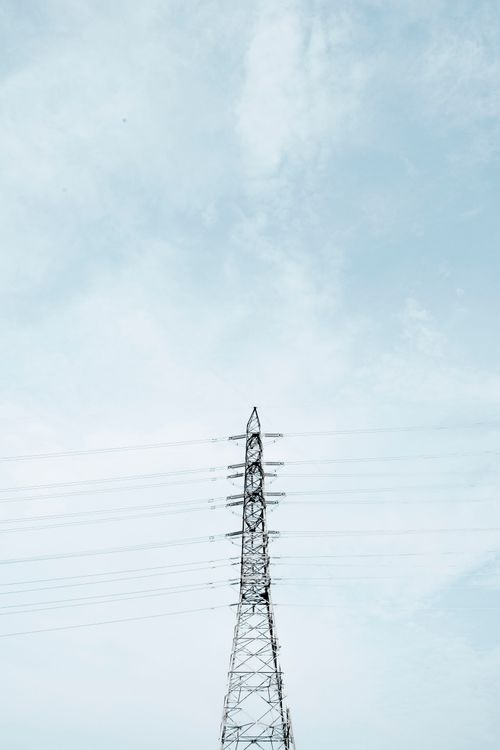
The scale of the work is substantial. Major transmission projects require civil construction, high-voltage plant, conductors or underground cables, protection and control equipment, telecommunications, access arrangements, environmental approvals, and carefully coordinated commissioning. Offshore connections add subsea cable systems, converter equipment, and specialist marine installation to the same programme.
Supply-chain conditions can determine schedules several years before construction reaches its peak. Large power transformers, high-voltage cables, switchgear, and specialised engineering resources are procured into international markets where several countries are expanding grids simultaneously, leaving project owners exposed to manufacturing capacity as well as domestic planning delays.
System access creates another constraint. Reinforcement and commissioning frequently require outages on circuits that continue to carry substantial volumes of electricity, so works cannot simply be undertaken when a contractor is ready. Network operators must coordinate outages around demand, generation, maintenance, and neighbouring projects while retaining acceptable security margins.
The NAO also points to deterioration in the connection process. The proportion of projects receiving an offer for the connection date they requested fell from around 64% in 2019/20 to 16% in 2023/24, illustrating how rapidly proposed generation and demand have outgrown the assumptions behind the previous grid-development model.
Queue reform can change which projects receive priority, but it cannot remove the underlying need for electrical equipment and transmission capacity. A reordered connection queue may improve the likelihood that viable schemes reach the network first, yet those projects still require substations, circuits, transformers, and commissioning resources before they can operate.
NESO identified three transmission projects that needed acceleration to meet Clean Power 2030 and another eight where faster delivery would reduce constraint costs. The NAO reports that none has yet undergone significant acceleration, leaving a gap between the dates at which new generation may connect and the dates at which the network can efficiently carry its output.
DESNZ, Ofgem, and NESO have begun addressing planning, access, skills, and supply-chain barriers and have changed regulatory arrangements to allow earlier investment. The NAO nevertheless argues that the programme requires stronger oversight, more transparent monitoring of individual project costs and progress, and clearer contingency planning where generation becomes available before reinforcement.
The transmission programme is therefore moving from a debate about whether Britain needs more grid capacity to the harder question of whether it can build that capacity quickly enough. The critical numbers at the end of the decade will be measured not only in approved billions of pounds but in commissioned circuits, substations, and connections capable of carrying the generation already waiting to use them.