IN Brief:
- Axpo has commissioned a 50MW battery at Gurtnellen that it describes as Switzerland's largest currently operating storage facility.
- energieUri operates a separate 8.4MW battery at the same industrial location beside existing grid and generation infrastructure.
- Axpo has more than 300MW of further battery capacity under construction across five European markets.
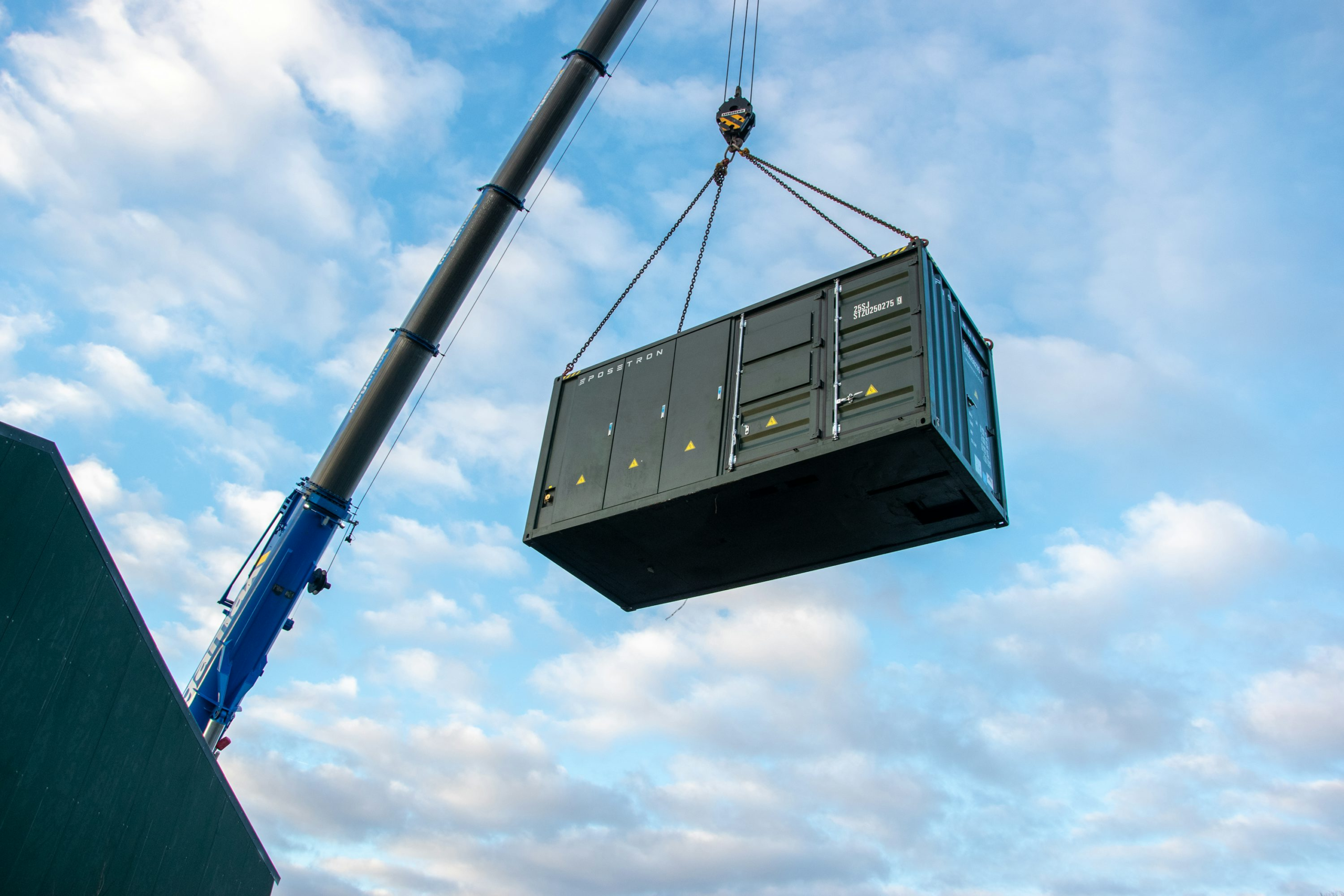
Axpo has commissioned a 50MW battery energy storage system at Gurtnellen in Canton Uri, describing the installation as Switzerland’s largest battery storage facility currently in operation. A separate 8.4MW system developed by energieUri has been inaugurated at the same industrial location.
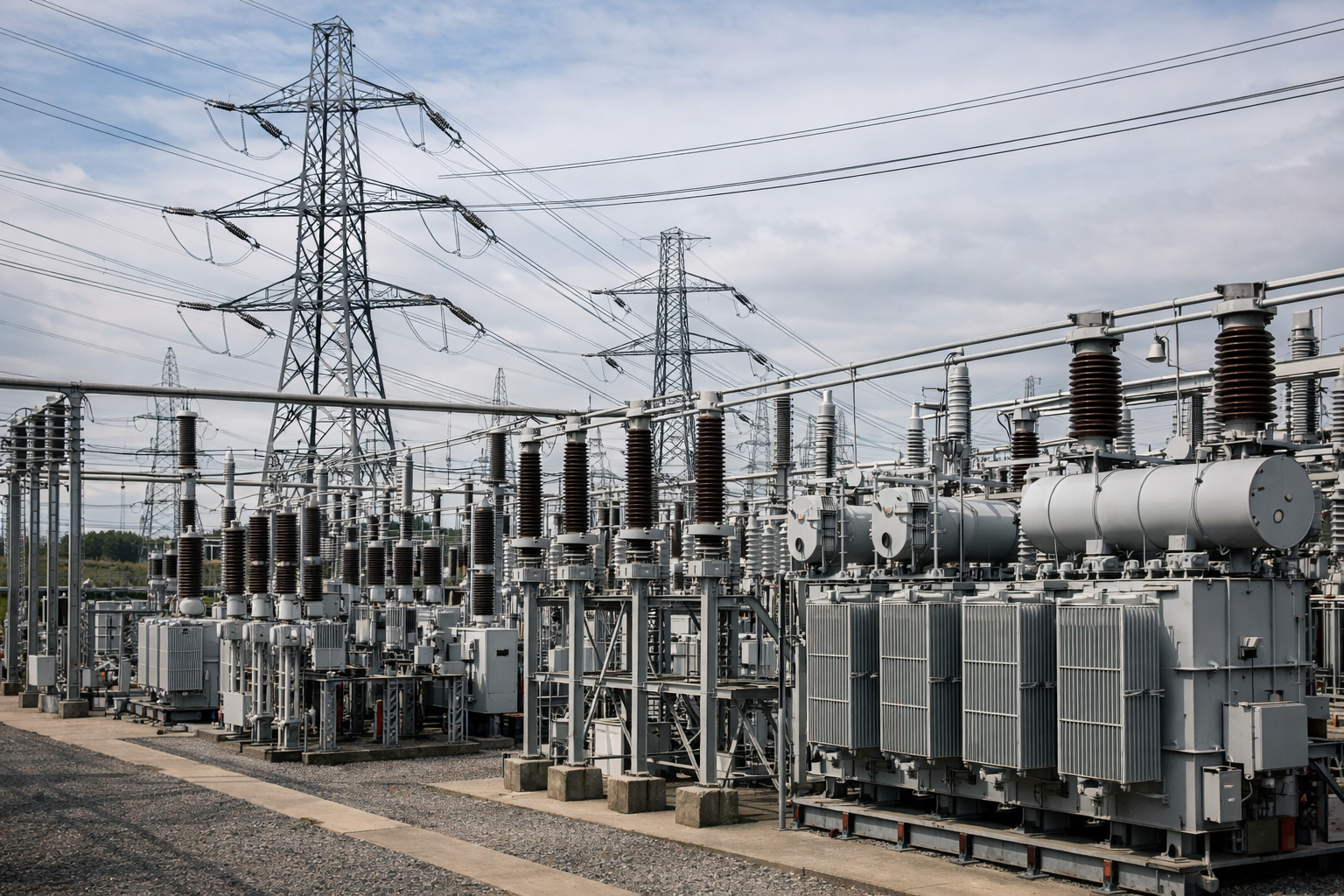
The two installations sit in the Plattischachen area beside an existing national-grid substation and energieUri’s Arniberg power plant. Axpo says its 50MW battery has a national focus, while energieUri developed its smaller system specifically around the needs of Canton Uri.
The distinction between the two projects is worth retaining because the announced 58.4MW combined rating does not represent a single battery installation. Axpo’s 50MW system carries the “largest” claim, with energieUri’s neighbouring 8.4MW asset operating separately at the same energy hub.
Neither company has disclosed the energy capacity of the systems in megawatt-hours. The stated MW figures establish the maximum power at which the batteries can charge or discharge, but without MWh values their duration at rated output cannot be calculated and their precise balance between short-duration system services and longer energy shifting remains unspecified.
The location nevertheless provides a useful indication of the projects’ engineering rationale. Both batteries have been developed around existing electrical infrastructure rather than as isolated assets, with immediate access to a transmission interface and an established generating site. Securing usable connection capacity has become one of the most difficult parts of European battery development as project pipelines have expanded more quickly than many networks can reinforce.
Storage can absorb electricity when there is spare generation or network capacity and release it when system conditions tighten, but the economic value of an installation depends on more than its nameplate power. Dispatch software, market access, battery degradation, connection terms, operating restrictions, and available energy capacity all influence the services a project can provide and the revenue it can earn.
Axpo’s wider programme illustrates the scale at which that market is developing. The company has already completed battery projects in Switzerland and Sweden and says facilities totalling more than 300MW are under construction in France, Germany, Italy, Poland, and Romania. Gurtnellen is currently the largest operating battery in Axpo’s own portfolio.
Comparable European projects are increasingly reaching operation rather than remaining development announcements. Alpiq’s acquisition of the operational 103.5MW/238MWh Bollingstedt battery in Germany, for example, brought a 2.3-hour asset with a flexible grid connection into another Swiss utility’s portfolio.
The contrast with Gurtnellen highlights the information still missing from Axpo’s announcement. Bollingstedt’s published MW and MWh ratings allow its nominal duration to be calculated, whereas the Swiss project’s power rating alone cannot establish how long the battery can sustain maximum export or import.
Axpo is also developing hybrid arrangements that combine storage with wind or solar generation. Such projects can make more intensive use of an existing renewable connection, shift energy away from constrained periods, and create a controllable interface between variable generation and the network, although the commercial case remains dependent on the local connection and market structure.
Gurtnellen starts from a different configuration because the new batteries are beside existing grid and generation assets rather than presented as part of a new renewable plant. The engineering principle is similar: storage becomes more useful when its dispatch is coordinated with the electrical infrastructure around it rather than treated simply as an independent block of capacity.
energieUri’s 8.4MW project adds a regional operating model to the site. Its rating is considerably smaller than Axpo’s system, but its stated role is more closely tied to cantonal requirements, showing how battery value can differ according to where an asset sits in the network and which services its owner intends to provide.
Axpo’s construction pipeline also means Gurtnellen may not remain the company’s largest operating battery for long. More than 300MW is already being built across five European markets, and commissioning those projects will broaden a portfolio that increasingly spans several grid and market structures.
Further disclosure of the Gurtnellen systems’ MWh capacities and service configurations would give a clearer picture of their operating role. For now, Axpo’s 50MW commissioning marks a substantial addition to Swiss battery capacity, with energieUri’s neighbouring 8.4MW system adding a second source of controllable power at the same established energy site.