IN Brief:
- Osprey Go automatically authenticates compatible vehicles after initial setup, removing the need to tap a card or open the app.
- Dynamic pricing is being extended across the network, with the applicable tariff varying by location and time.
- Osprey says variable pricing can encourage some charging demand away from peak electricity periods as public charging expands.
Osprey Charging Network has launched automatic vehicle authentication across its UK rapid and ultra-rapid charging network while extending dynamic pricing, combining two software-led changes that affect how public charging sessions are started and priced.
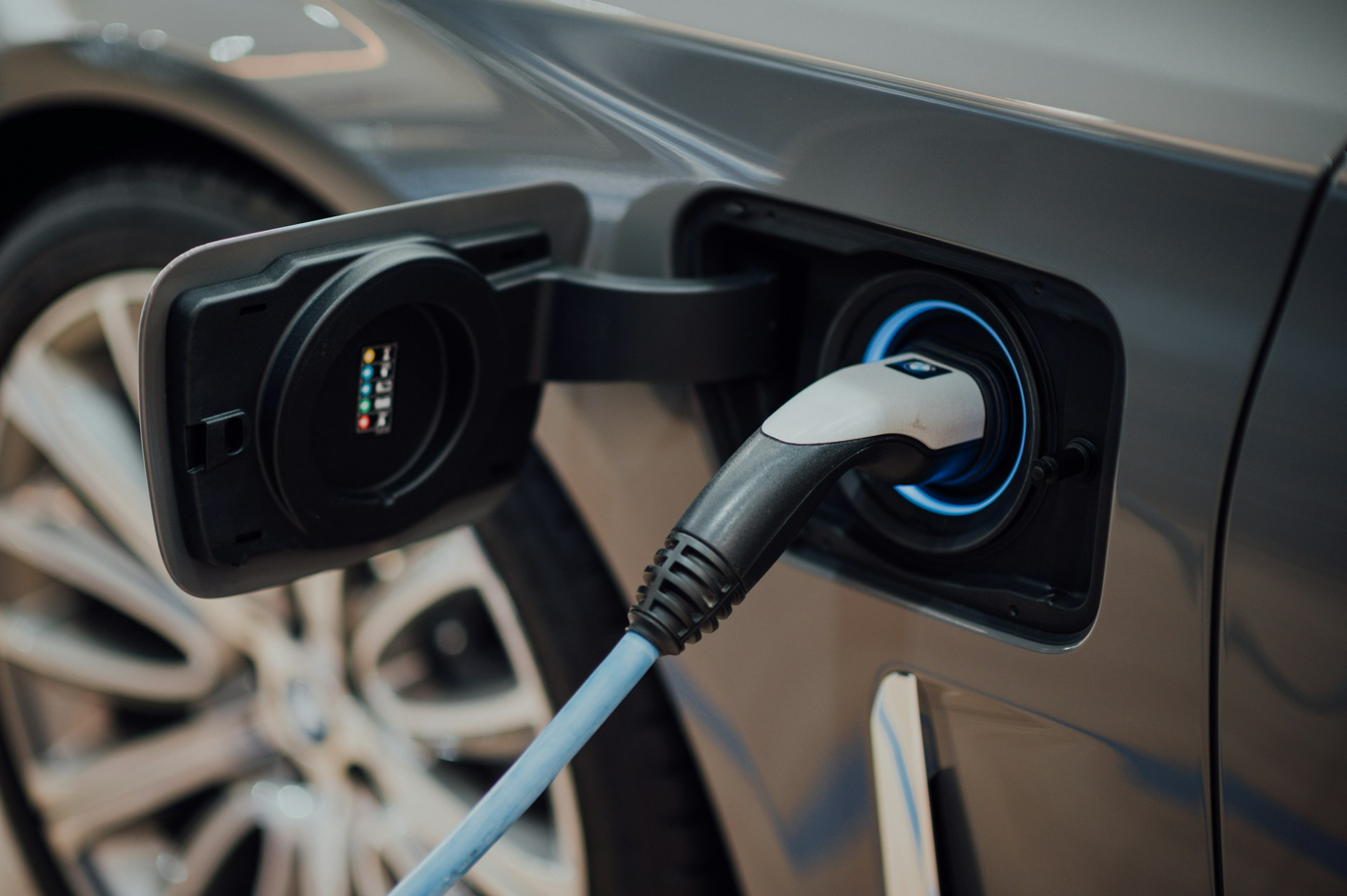
The new Osprey Go service uses Autocharge technology to identify compatible vehicles when they connect to a charger. Once a driver has completed the enrolment process through the Osprey app, subsequent sessions can begin without tapping a payment card or opening the app for authentication, with payment handled through the account linked to the vehicle.
Osprey says the system has been developed in-house through Iris, its proprietary software platform, following beta testing with drivers. Dynamic pricing forms the second part of the rollout, allowing the tariff applied to a charging session to vary according to location and time rather than remaining fixed across every network site.
The operator says Osprey Go automatically applies the best available Osprey price at the relevant location and time. Drivers can continue to view live pricing and charger availability, access receipts, and receive offers through the app, while the underlying authentication process is intended to remove one of the manual steps normally required before energy starts flowing.
Autocharge works by using an identifier presented by a compatible vehicle when it connects to charging equipment. That identifier is associated with the customer’s account during enrolment, allowing later sessions to be recognised automatically. It is a different technical route from Plug & Charge, which uses digital certificates and established vehicle-to-charger communication standards for authentication.
Osprey has selected Autocharge for the current rollout because it says the technology is available across a broad range of vehicles, although the company is also examining Plug & Charge for future deployment. Both approaches reduce dependence on separate payment actions, but they place greater importance on the reliability of the digital systems connecting vehicle, charge point, customer account, and payment platform.
The dynamic-pricing element has a clearer electricity-system consequence. Osprey says tariffs can reflect variation in energy costs and encourage demand to move away from peak grid periods where drivers have flexibility over when they charge. That does not turn every vehicle into a dispatchable power-system resource, but it gives the operator a commercial mechanism for influencing some charging behaviour.
The scale of Britain’s public charging network makes that increasingly relevant. Department for Transport figures show 121,171 public EV chargers were available across the UK on 1 July 2026, including 28,887 rated at 50kW or above. Rapid chargers between 50kW and 150kW represented 12% of the fleet, with ultra-rapid units rated at 150kW and above accounting for another 12%.
High-power infrastructure concentrates substantial electrical demand at individual locations. A single 300kW charger is manageable in isolation, but a hub operating several units simultaneously can place much larger requirements on its local connection, transformers, switchgear, distribution circuits, and upstream network. Connection design therefore depends as much on expected coincidence of charging demand as on the maximum rating printed on individual chargers.
Load management, battery storage, connection agreements, and tariff signals can all reduce the extent to which every charging socket draws maximum grid power at once. Dynamic customer pricing provides another lever, although its effectiveness varies according to journey type. A driver using an en-route rapid charger during a long journey has considerably less freedom to postpone charging than someone parked for several hours at a destination.
DfT data underline that distinction. Destination chargers represented 52% of the public network on 1 July, with on-street infrastructure accounting for 33% and en-route chargers 11%. Price signals have more scope to alter timing where vehicles have longer dwell periods, while charging required during a motorway or trunk-road journey remains more sensitive to convenience and immediate energy need.
Software reliability becomes correspondingly more important as authentication, charging, and pricing are connected. Vehicle identification must be matched to the correct account, the applicable tariff has to be visible before the session, and back-office systems must reconcile charger data with payments and receipts. A communications failure that once affected only an app feature can become an operational problem if it also governs session authentication.
Osprey’s launch therefore reflects a wider shift in charging infrastructure from isolated electrical hardware towards digitally managed networks. The charger still has to deliver rated power safely and reliably, but customer identification, tariff control, network monitoring, payment, and energy management increasingly depend on software operating alongside the electrical installation.
Osprey Go is available to app users now, with dynamic pricing being extended across the network. The immediate benefit is intended to be a simpler charging process. The longer-term test is whether time-varying tariffs can influence enough flexible demand to reduce energy costs and ease charging peaks without making public infrastructure less predictable for drivers who need power immediately.