IN Brief:
- The Latvian hybrid park combines 117MW of wind generation with a 60MW/240MWh battery.
- Eighteen 6.5MW Vestas turbines are expected to generate about 330GWh annually.
- The project will connect to the Estonia–Latvia 330kV interconnector and target operation in early 2028.
Utilitas Wind has started construction of a 117MW onshore wind farm and 60MW/240MWh battery energy storage system near Lode in Latvia’s Valmiera municipality, close to the Estonian border.
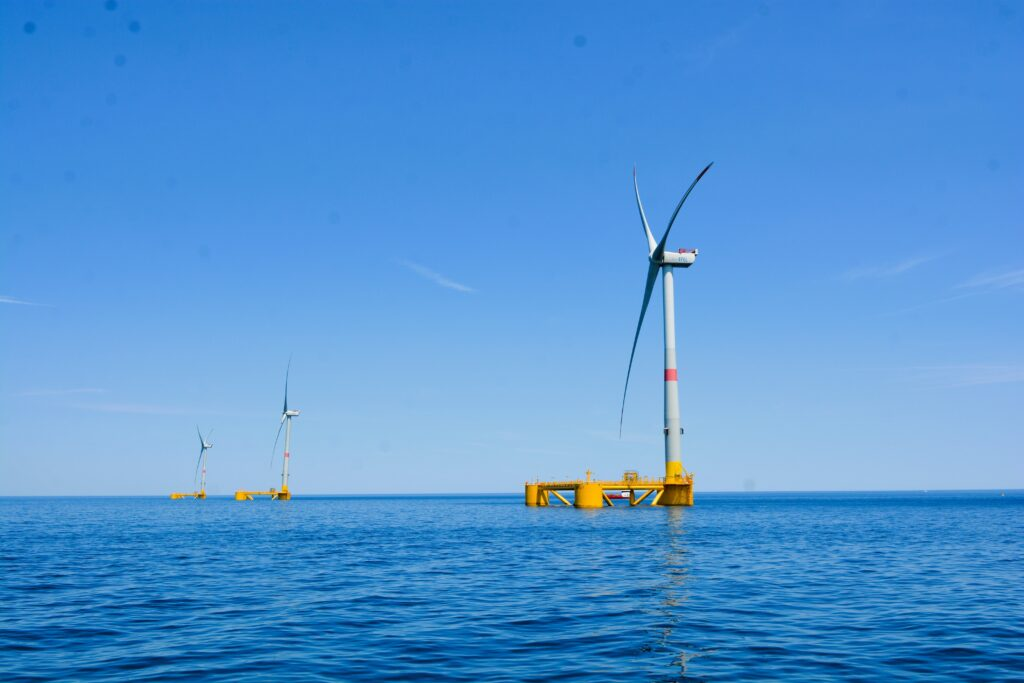
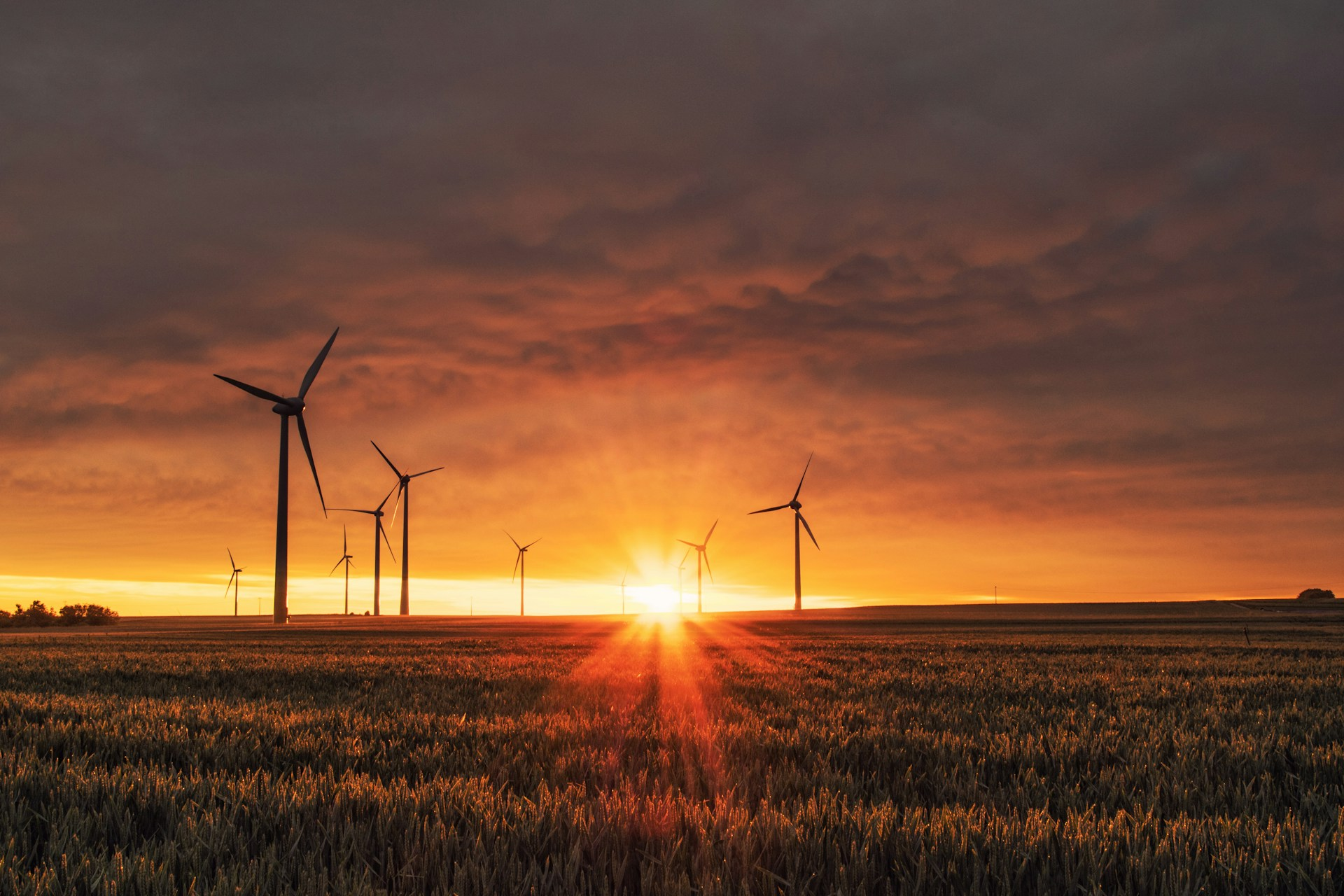
The first phase will use 18 Vestas turbines rated at 6.5MW each. Utilitas expects the wind farm to generate around 330GWh annually, equivalent to the yearly electricity consumption attributed to more than 110,000 households.
A four-hour battery will be installed on the same site to provide balancing capability for the wider Baltic power system. Commercial operation is scheduled for early 2028, combining variable wind generation with storage capable of shifting energy and responding to shorter system requirements.
Construction preparations are under way. Verston Eesti is building access and connection roads, Connecto Latvija is carrying out cabling and electrical work, and AIMASA is responsible for turbine foundations. Financing has been arranged with SEB Pank, Swedbank, and OP Corporate Bank.
The project will connect to the 330kV interconnection between Estonia and Latvia. That position gives the plant a role beyond supplying a local distribution area: its output and stored energy can contribute to balancing across an increasingly integrated Baltic market, subject to network conditions and dispatch.
Lode forms the Latvian section of a larger cross-border renewable project extending into Estonia. Utilitas has described the full Lode-Penuja scheme as having potential capacity of up to 200MW, although the final layout and capacity of the Estonian section remain subject to planning and permitting.
The construction programme is divided into stages. Balance-of-plant work covers the grid connection, substations, internal electrical infrastructure, access roads, and turbine foundations. Turbine delivery, erection, connection, testing, and commissioning will follow, while the Estonian phase is expected later, with full cross-border completion currently indicated around 2030 or 2031.
Support from the Connecting Europe Facility Energy programme reflects the project’s cross-border status. European funding is being used for Latvian balance-of-plant infrastructure and the later turbine installation and commissioning stage, linking renewable generation development with stronger physical integration between national power systems.
The battery’s 60MW power rating and 240MWh capacity give it a nominal four-hour duration at full output. That configuration allows more sustained energy shifting than a short-duration frequency-response unit, while retaining the speed required for balancing services. Its actual operating pattern will depend on state of charge, market prices, wind forecasts, grid constraints, and the technical requirements of the services it provides.
Pairing storage with wind does not make generation continuous, but it can reduce the mismatch between production and demand. The battery can charge during periods of strong wind and lower prices, then discharge when renewable output falls or system conditions tighten. It can also reserve part of its capacity for frequency and balancing products, provided the control strategy manages competing commitments.
Co-locating the assets can also reduce duplication in parts of the electrical infrastructure, although it does not automatically guarantee shared connection capacity at every operating point. Plant controls must limit combined export, coordinate charging during high wind output, and preserve enough headroom for contracted balancing services.
The project follows the Baltic states’ synchronisation with the continental European electricity system, which increased the importance of regional balancing resources and controllable flexibility. New wind capacity expands domestic generation, while storage provides a faster response to deviations that cannot be managed through production alone.
Utilitas already operates wind and battery assets in Latvia, including the Tārgale hybrid plant near Ventspils. Lode is considerably larger: its planned 240MWh battery has six times the energy capacity of the expanded 40MWh Tārgale system, and the wind farm will connect directly to a major cross-border circuit.
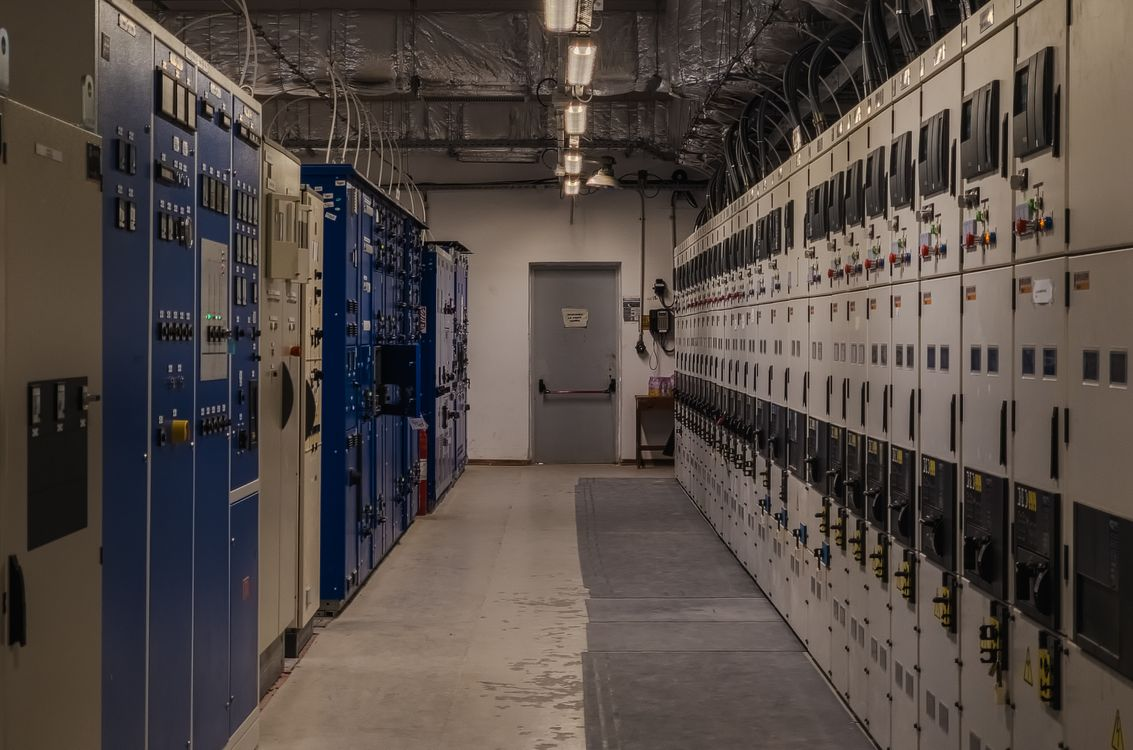
Hybrid operation will require close coordination between turbine controls, the battery management system, plant-level power controls, metering, protection, and the transmission-system interface. The site must be able to follow dispatch instructions without breaching turbine limits, battery warranties, connection agreements, or reserve commitments.
The delivery programme still carries the usual risks associated with large energy projects, including civil works, foundation construction, transformer and switchgear procurement, cable installation, turbine logistics, and grid commissioning. The named contractors and lenders provide a clearer structure, but Utilitas has not disclosed the total capital cost or the battery technology supplier.
Early 2028 remains the target for operation of the Latvian hybrid park. Before then, the project must turn its cross-border development plan into functioning roads, foundations, substations, cables, turbines, storage equipment, and grid controls — the physical work that determines whether new capacity appears on the system.