
IN Brief:
- FVS Dean Moor Ltd has secured development consent for the 150MW Dean Moor Solar Farm.
- The project is being developed by ib vogt UK and Firma Energy.
- The solar farm is expected to generate enough electricity to supply around 50,000 homes annually.
ib vogt UK and Firma Energy have secured development consent for the proposed 150MW Dean Moor Solar Farm in Cumbria.
The project is being developed through FVS Dean Moor Ltd, a joint venture between the two renewable energy developers. Approval was granted by the UK Secretary of State for Energy Security and Net Zero following public consultation, examination by the Planning Inspectorate, and community engagement.
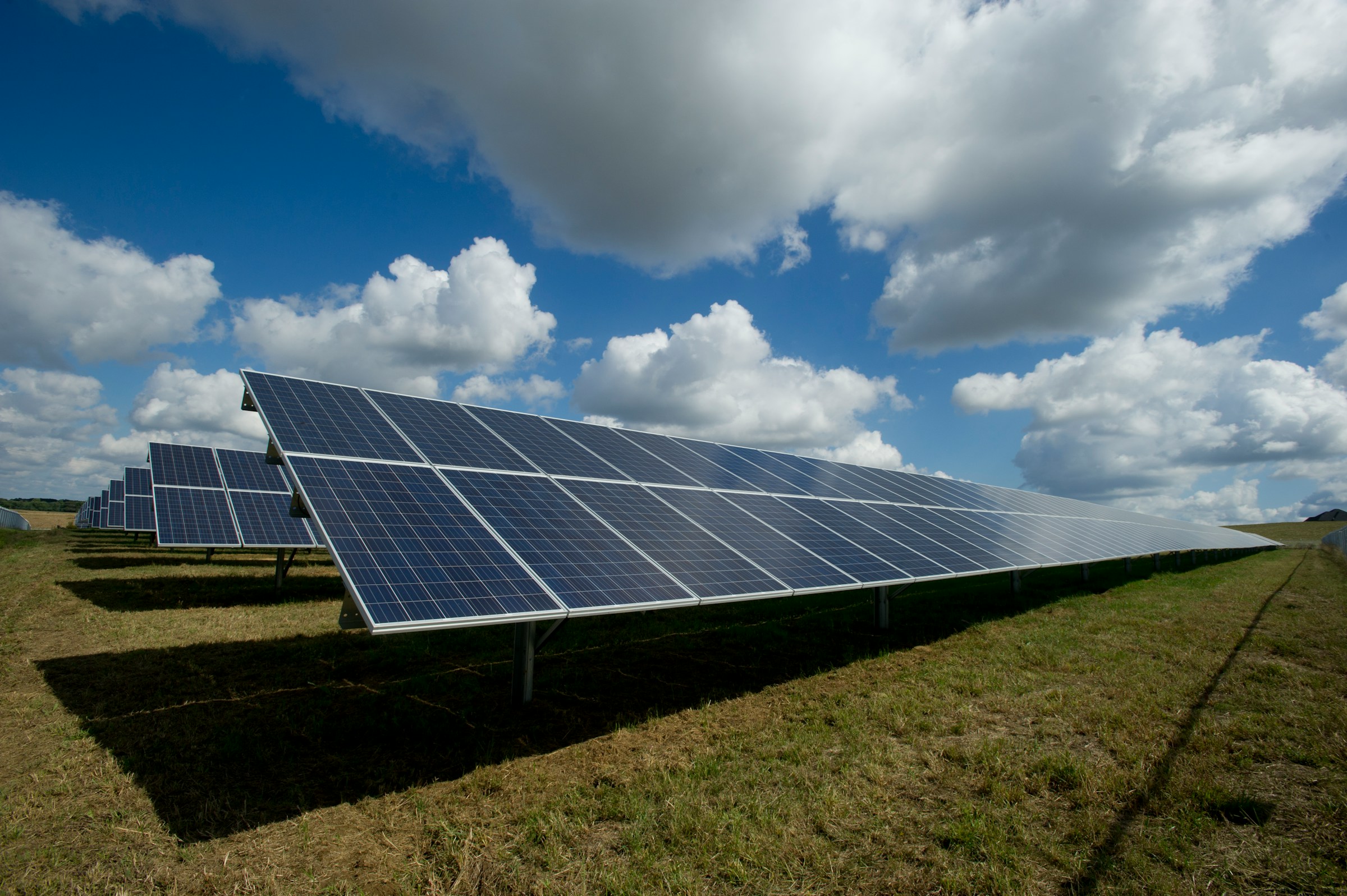
Dean Moor Solar Farm will be built between the villages of Gilgarran and Branthwaite in northwest England. Once operational, the project is expected to generate enough electricity to supply around 50,000 homes annually.
The project has progressed through the nationally significant infrastructure project process, which applies to larger energy schemes and brings central decision-making, formal examination, and a more extensive consenting framework. Securing approval through that route moves Dean Moor from planning scrutiny into the delivery phase of the UK’s utility-scale solar pipeline.
Utility-scale solar remains one of the fastest routes for adding low-carbon generation, although delivery is increasingly shaped by grid availability, land-use pressure, environmental commitments, and connection timelines. Solar projects can be built more quickly than many forms of generation once they have consent and a viable grid connection, but connection queues continue to influence when approved capacity becomes operational.
The UK’s clean-power build-out is already showing strain in several areas. Analysis of Great Britain’s Clean Power 2030 trajectory has pointed to shortfalls linked to network constraints and slower build rates across key technologies. Projects such as Dean Moor add to the consented pipeline, but the sector’s delivery challenge now lies in moving that pipeline through connection, construction, and energisation.
Large solar schemes require a broad engineering and procurement chain. Modules, inverters, mounting systems, transformers, switchgear, civil works, access routes, grid interface equipment, environmental controls, and operations planning all need to align before generation can begin. Where storage is included or later added, the electrical architecture becomes more complex, with shared connection capacity, battery controls, and commercial optimisation added to the project design.
Cumbria’s wider energy landscape is already shaped by transmission infrastructure, nuclear generation history, renewable resources, and local planning sensitivities. A 150MW solar project adds a new utility-scale generation asset to that setting, with design and construction needing to balance land use, community impact, biodiversity, grid connection, and long-term asset management.
For ib vogt UK, Dean Moor adds to an established national solar presence. The company has built almost 500MW of solar projects across the UK and has further solar and battery storage projects under construction. That delivery base is useful in a market where consent is only one part of the route to energisation.
The project’s next stages will depend on grid connection progress, procurement, construction sequencing, financing, and route-to-market arrangements. The nationally significant infrastructure process resolves the planning decision, but the capacity will contribute to the electricity system only once the technical and commercial delivery chain is complete.
Dean Moor strengthens the UK solar pipeline at a point when clean-power delivery is under pressure. Its approval adds consented capacity, while the work ahead will test how quickly large solar projects can be converted into operational generation within a constrained grid environment.

