IN Brief:
- UK Power Networks is investing more than £2.6m in Sheerness Primary Substation on the Isle of Sheppey.
- The project adds a third transformer, a new switchroom, new switchgear, and underground cabling.
- The upgrade will raise capacity to 32MW while supporting a new customer connection and supplies to more than 6,100 premises.
UK Power Networks is investing more than £2.6m to upgrade Sheerness Primary Substation on the Isle of Sheppey, adding new capacity to support an additional customer connection and reinforce supplies for more than 6,100 homes and businesses.
The project includes the installation of a third transformer at the substation, raising capacity to 32MW. Once operational, the transformer will receive electricity at 33,000V and step it down to 6,600V for local distribution across the area.
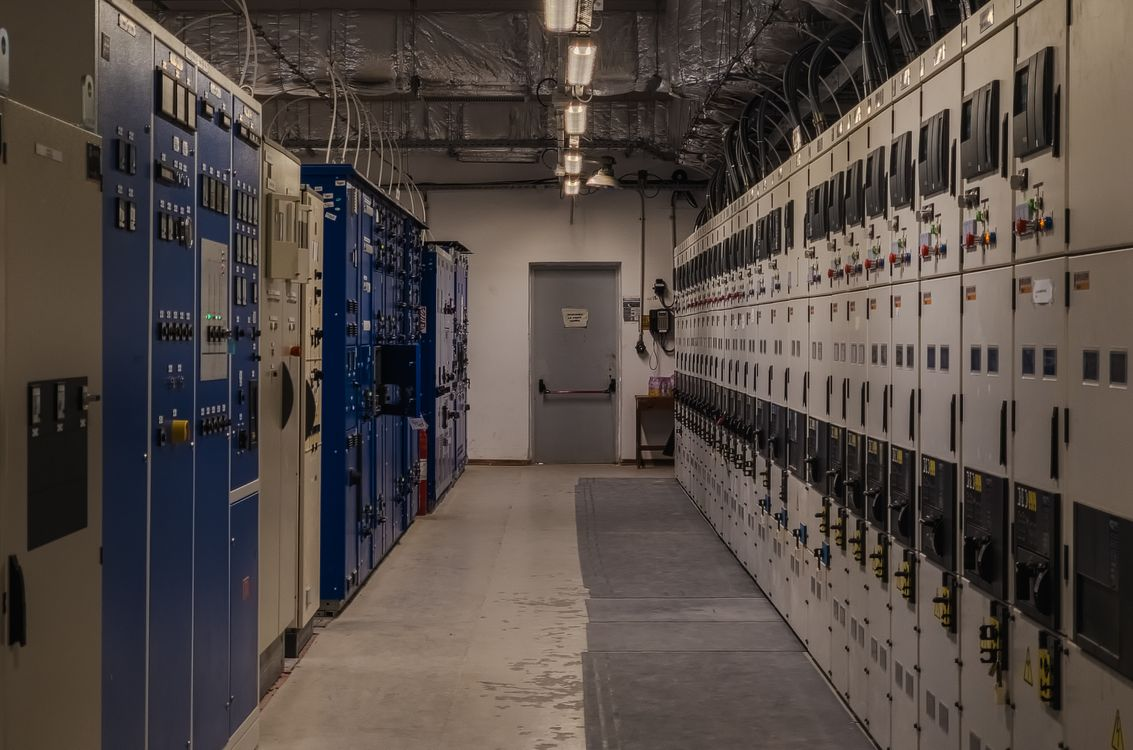
Delivered as part of a wider reinforcement package, the works include reconstructing a redundant storage building to create a new switchroom, installing switchgear to control and distribute power, and connecting the upgraded equipment into the network through new underground cabling.
The 29-tonne transformer has been delivered to site and installed on a custom-built bund using a 110-tonne crane. Heavy-lift and logistics support covered port collection, inspection, transport, lifting equipment, site coordination, and waste handling, while Manders Building Contractors has supported the civil and site works, including the switchroom reconstruction and bund installation.
Across the South East, London, and the East of England, UK Power Networks invested more than £800m last year to maintain supplies, connect new customers, and prepare local networks for low-carbon technologies. The Sheerness scheme forms part of that broader investment pattern, with primary substations becoming focal points for regional growth, electrification, and new connection demand.
At site level, the engineering work is familiar: transformer installation, switchgear replacement, cable routing, protection coordination, civil construction, and commissioning. The operating context around that work is changing. Distribution network operators are being asked to connect new load more quickly while preparing assets for less predictable demand profiles, distributed energy resources, and heavier use of local networks.
Primary substations now sit at the junction of several pressures. Electric vehicle charging, heat electrification, embedded generation, commercial expansion, industrial load growth, and housing development can all converge on the same local assets. Capacity upgrades that once sat mainly within asset renewal programmes are increasingly tied to regional planning, decarbonisation, and connection availability.
Other UK Power Networks programmes show the same shift toward more active distribution system management. Future Fleet is modelling electric HGV charging demand across local networks, including flexible charging, battery storage, solar generation, and shared infrastructure, while MW Dispatch has moved into live operation, allowing distribution-connected assets to help manage transmission constraints.
Reinforcement still provides the hard capacity needed for growth, but it is increasingly being planned alongside flexibility, forecasting, active network management, and closer coordination with the transmission system. A substation upgrade in Sheerness therefore sits within a wider move from passive asset replacement toward targeted network enablement.
Switchgear and transformer supply are also becoming more visible in project planning. Demand for medium-voltage and high-voltage equipment is rising as grid reinforcement, data centre development, renewable connections, electrified transport, and industrial decarbonisation compete for the same supply base. Distribution projects that combine asset renewal, new customer connection, and future headroom in one works package can reduce the risk of reactive reinforcement later.
With Sheerness moving to 32MW of capacity, the local network will have more room to support demand growth while maintaining resilience for existing customers. As connection queues and local load forecasts become more complex, these targeted primary substation upgrades are likely to remain a central part of distribution network investment.