IN Brief:
- InstaVolt has opened five new battery energy storage systems at UK charging hubs.
- At least 20 BESS-backed sites are planned across the network by the end of 2026.
- The rollout uses storage to manage peak demand, connection limits, and high-power charging costs.
InstaVolt has opened five new battery energy storage systems at UK charging hubs as part of a wider programme to add storage across its ultra-rapid charging network.
The company plans to install battery energy storage systems at at least 20 sites by the end of 2026. The first five newly opened sites each represent an investment of around £500,000, bringing the number of operational BESS-backed InstaVolt charging hubs to eight.
The storage systems reduce exposure to peak demand charges, support higher charger utilisation, and help sites operate where local grid connection capacity is limited. Batteries can charge during lower-cost or lower-demand periods and discharge during high-use periods, allowing the charging hub to deliver more power to vehicles than the grid connection alone would otherwise support.
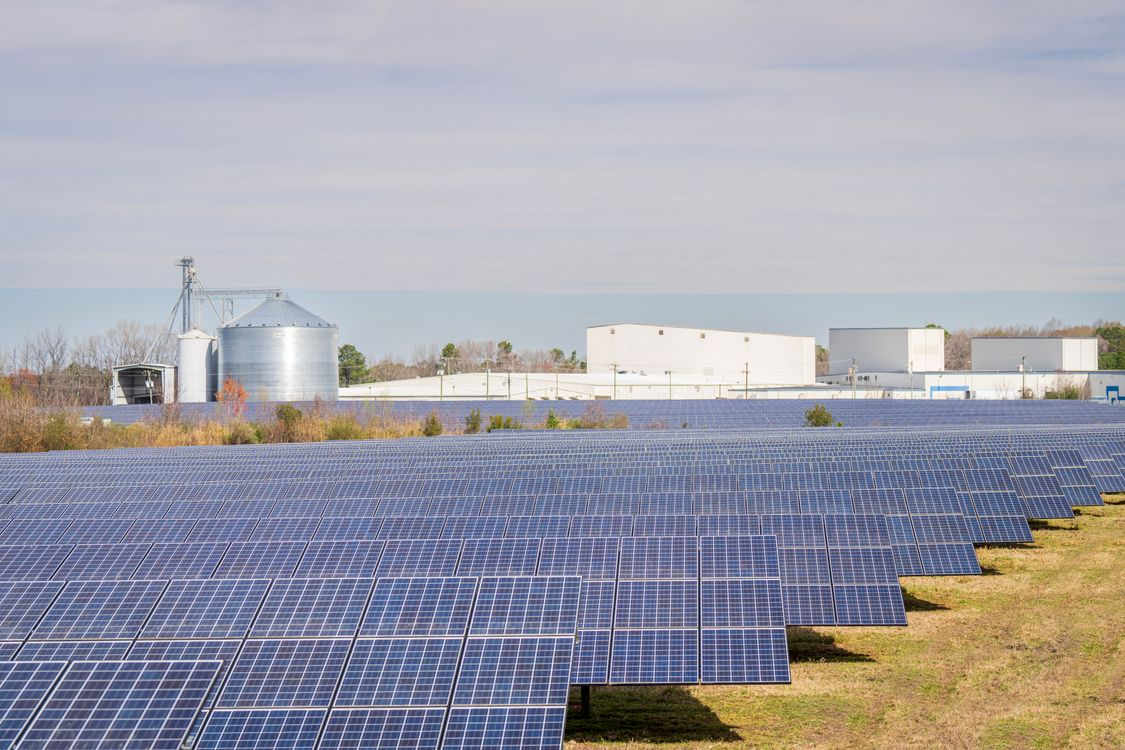
InstaVolt’s Winchester Superhub has already used a combined solar and storage model. The site includes a 960kW/4MWh battery energy storage system alongside solar PV generation. In March, the site generated 42,000kWh of solar electricity, with most battery discharge delivered during peak use periods and most grid electricity purchased off peak.
The operating model is becoming more common as rapid charging moves from individual chargers toward larger hub formats. Ultra-rapid chargers create high and sometimes uneven electrical loads. A site with multiple high-power bays can require substantial connection capacity, transformer provision, protection design, cable infrastructure, control systems, metering, and thermal management.
Where strong charging locations sit on constrained local networks, storage becomes part of the enabling electrical infrastructure. It can reduce peak import, smooth demand, and improve use of an available connection while reinforcement works are assessed or delivered.
The same pressure is visible across the UK charging market. B&Q and RAW Charging are rolling out ultra-rapid charging hubs across retail locations, with grid upgrades and high-voltage connections required where site capacity needs to be increased. InstaVolt’s approach adds a site-level storage layer to the same engineering challenge.
Battery-backed charging does not remove the need for robust grid connections. Storage still has to be recharged, and sustained high utilisation can expose the same capacity limits if import capacity remains too low. Its value sits in demand smoothing, better use of existing headroom, reduced exposure to peak tariffs, and higher charging output during shorter periods of concentrated demand.
The approach can also change development sequencing. Grid reinforcement can involve long lead times, particularly where new substations, transformer upgrades, cable routes, or upstream network works are required. Storage can allow some sites to open or expand earlier, especially where charging demand is growing faster than the network upgrade cycle.
The design of high-power charging hubs is therefore moving beyond charger count. A fully developed site may combine ultra-rapid chargers, battery storage, solar generation, dynamic load management, real-time monitoring, and tariff optimisation. The electrical system must coordinate power flows, maintain charger availability, manage battery state of charge, protect equipment, and keep charging sessions reliable.
As utilisation rises, capacity costs move closer to the centre of the charging business case. Storage gives charging networks more control over those costs, but it also adds another asset to operate, maintain, and optimise. Ultra-rapid charging hubs are increasingly engineered as managed power systems, with on-site storage becoming a core part of the design package.