IN Brief:
- Amendment 4 adds a new chapter on stationary secondary batteries, including requirements covering design, power conversion equipment, ventilation, protection, and fire-risk mitigation.
- Section 716 introduces dedicated requirements for Power over Ethernet, tightening voltage limits and setting connection expectations for continuous current.
- The previous edition remains valid until 15 October 2026, creating a defined transition window as the sector moves to BS 7671:2018+A4:2026.
The Institution of Engineering and Technology and the British Standards Institution have published Amendment 4:2026 to BS 7671:2018, bringing the latest revision of the UK’s wiring regulations into force at a point when electrical installations are becoming more digitally connected, more storage-enabled, and more exposed to two-way power flows. The amendment updates the framework used for new low-voltage installations, additions and alterations, and periodic inspection and testing, with the most significant changes centred on stationary secondary batteries, medical locations, and Power over Ethernet.
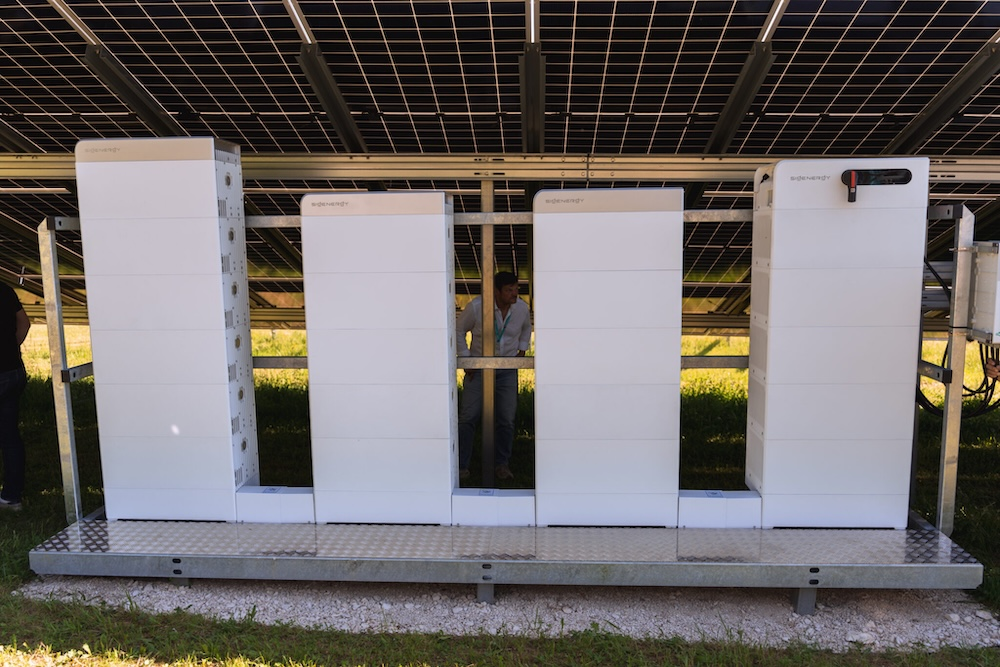
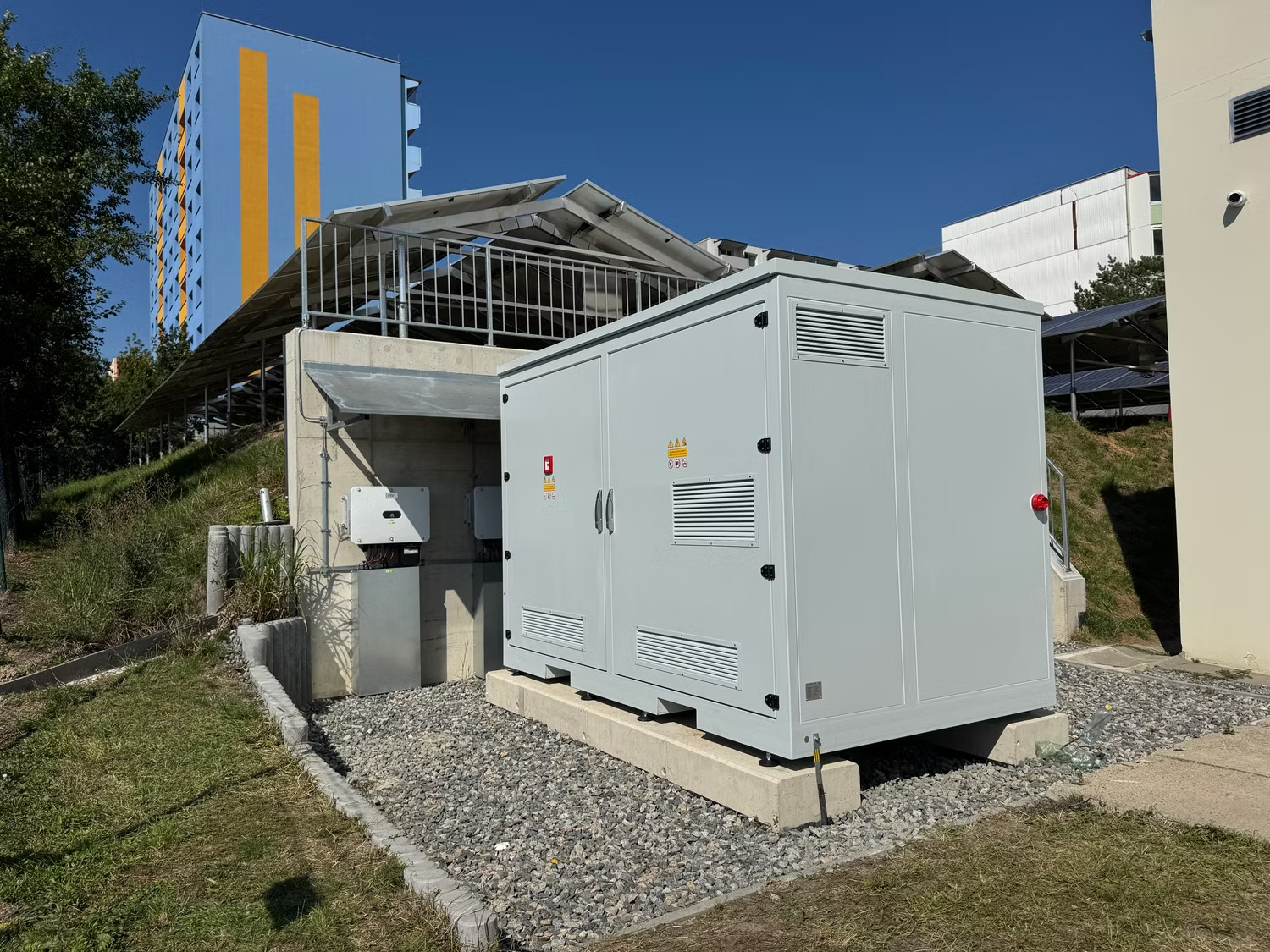
The addition of a dedicated chapter for stationary secondary batteries is one of the clearest signs of how far electrical storage has moved into the mainstream of installation practice. The new provisions cover system design, power conversion equipment, bidirectional and hybrid inverters, and the suitability of protective devices where electricity can flow in both directions. They also draw tighter attention to location, ventilation, and fire-risk management, all of which have become more pressing as battery systems are deployed with and without solar PV, and as storage begins to sit closer to the operational centre of buildings rather than at the edge of an electrical design.
Amendment 4 also introduces a distinct section for Power over Ethernet, reflecting the spread of extra-low-voltage DC distribution through structured cabling into lighting, controls, sensors, and other low-wattage loads. The revised text sets out the requirements for selecting power supplies and cables using SELV and PELV systems, while also adjusting the voltage limits that apply within this section. In parallel, Section 710 on medical locations has been substantially revised, with Group 0, 1, and 2 classifications set out more clearly and the requirements around medical IT systems, independent supplies, and UPS arrangements tightened for higher-dependency environments.
The publication date also starts the transition period. BS 7671:2018+A2:2022+A3:2024 remains valid until 15 October 2026, giving the market six months to move fully onto the new text. That window is likely to be used for more than book replacement. Design templates, inspection routines, procurement specifications, training schedules, and technical support material will all need to catch up, particularly where installers and consultants are already dealing with battery storage, building controls, or mixed electrical and ICT packages. Amendment 4 and the associated update guidance are available via the IET’s BS 7671 update page.
A wiring code shaped by electrification and convergence
What stands out in this amendment is not only the detail of each change, but the direction of travel. Battery storage has moved from being a specialist add-on to a routine design consideration across domestic, commercial, and small industrial work. That shift brings familiar questions about isolation, earthing, fault protection, and enclosure design into a setting where inverters, control platforms, and two-way energy flows increasingly define the installation. The wiring regulations are responding to a world in which electrical systems no longer sit neatly in one direction, from incomer to load, but behave as flexible energy systems with generation, storage, export, and communications built in.
The same is true of Power over Ethernet. Once cabling infrastructure begins to carry both data and usable power into connected devices, the old line between ICT provision and electrical installation becomes harder to hold. That does not remove the distinction between disciplines, but it does mean that cable selection, current loading, coordination, and installation quality become more central to work that might previously have been treated as low-risk or peripheral. As more buildings push intelligence into the edge devices that run them, the standard has had to meet that reality in a more explicit way.
The medical-location revisions fit the same pattern. Electrical continuity and fault resilience have always mattered in healthcare environments, but the pressure on resilience grows as dependency on electrically supported systems increases. Amendment 4 therefore lands as more than a routine update cycle. It marks another step in the recasting of BS 7671 around electrification, power quality, digital building systems, and storage-led architecture. The result is a rulebook that looks more directly at how installations now behave, rather than how they behaved when one-way consumption was still the default assumption.