IN Brief:
- Zenobē has secured around £980m in financing for its UK and Ireland EV fleet debt facility.
- The funding will support more than 1,200 new electric buses and associated charging infrastructure over three years.
- The round takes Zenobē’s total capital raised since 2017 to more than £3.2bn.
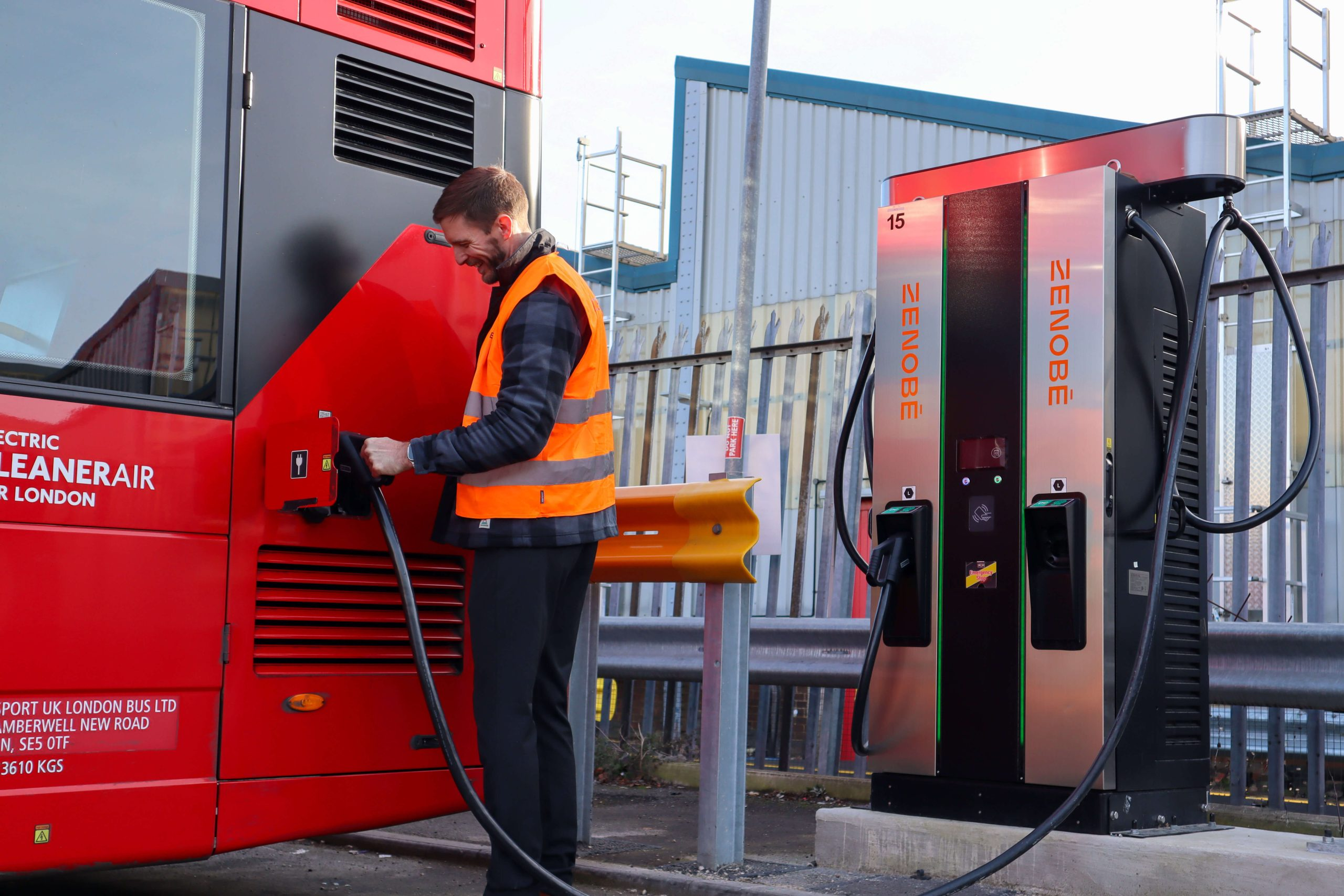
Zenobē has secured around £980m in new financing to support the rollout of electric buses and associated charging infrastructure across the UK and Ireland.
The latest round extends the company’s EV-focused debt facility and takes total capital raised by Zenobē to more than £3.2bn since 2017. The funding will support the deployment of more than 1,200 new electric buses over the next three years, together with the charging infrastructure required to operate them.
The facility is the third funding round for the platform. Combined with Zenobē’s €325m European EV fleet facility announced in 2025, the company expects to support up to 5,000 electric buses by 2028.
Ten new banks and institutional investors have joined the platform in the latest round, bringing the total number of participating organisations to 22. MUFG acted as lead financial adviser, with AOS and Clifford Chance acting as borrower and lender counsel respectively. Zenobē is majority owned by infrastructure investors KKR and Infracapital.
Bus electrification requires more than vehicle replacement. Depot charging needs grid capacity, connection studies, charger installation, civil works, electrical distribution upgrades, charge management software, battery monitoring, maintenance planning, and operational scheduling.
Zenobē’s model combines finance, battery and charging infrastructure, fleet support, and operational services. That integrated approach reflects the operational reality of depot electrification, where vehicles, chargers, grid connections, energy contracts, and timetables must work as a single system.
A diesel bus fleet can refuel through a mature and flexible supply chain, but an electric fleet depends on charging availability at defined times. Missed charging windows, insufficient grid capacity, poor load management, or charger downtime can affect service delivery directly.
The economic case also depends on infrastructure reliability. Lower energy costs can support operators, but only when charging assets are matched to route requirements and depot operating patterns. High utilisation fleets need electrical systems that are designed around availability rather than occasional use.
Depot charging is becoming a more demanding electrical design category. Operators may need multiple high-power chargers, transformer upgrades, switchgear, distribution boards, cable routes, earthing systems, metering, energy management platforms, and back-office systems. Battery-backed or smart charging can reduce peak demand, although it adds control complexity and must be integrated with operational timetables.
Managed installation workflows are also becoming more important as EV infrastructure scales. Software-led installation support for vehicle-to-grid delivery shows how commissioning data, site status, asset information, and installer coordination are becoming part of the infrastructure stack.
The financing lands in a market where depot charging and high-power public charging are developing in parallel. Fleet depots concentrate demand around scheduled operating windows, while public hubs support taxis, vans, commercial vehicles, and drivers without off-street parking. In both cases, the constraint is not charger hardware alone, but the ability to deliver sufficient electrical capacity where vehicles need to charge.
As more bus fleets electrify, distribution networks will see larger and more concentrated depot loads. Those loads are partly predictable because bus schedules are planned, but they still require local reinforcement, load management, and close coordination between operators, infrastructure providers, and network companies.
The £980m facility gives Zenobē greater financial capacity to support fleet electrification at scale. The measure of delivery will be practical: buses deployed, chargers energised, routes served, energy costs controlled, and grid impacts managed without compromising service reliability.