
IN Brief:
- Weihenstephan has deployed a battery-enabled charging depot for electric truck operations.
- The site combines two 150kW fast chargers, modular battery storage, rooftop PV, and energy management software.
- The project shows how fleet electrification is being engineered around site capacity, charging demand, and grid volatility.
Bavarian State Brewery Weihenstephan has inaugurated a battery-enabled electric truck charging depot at its logistics hub in Germany.
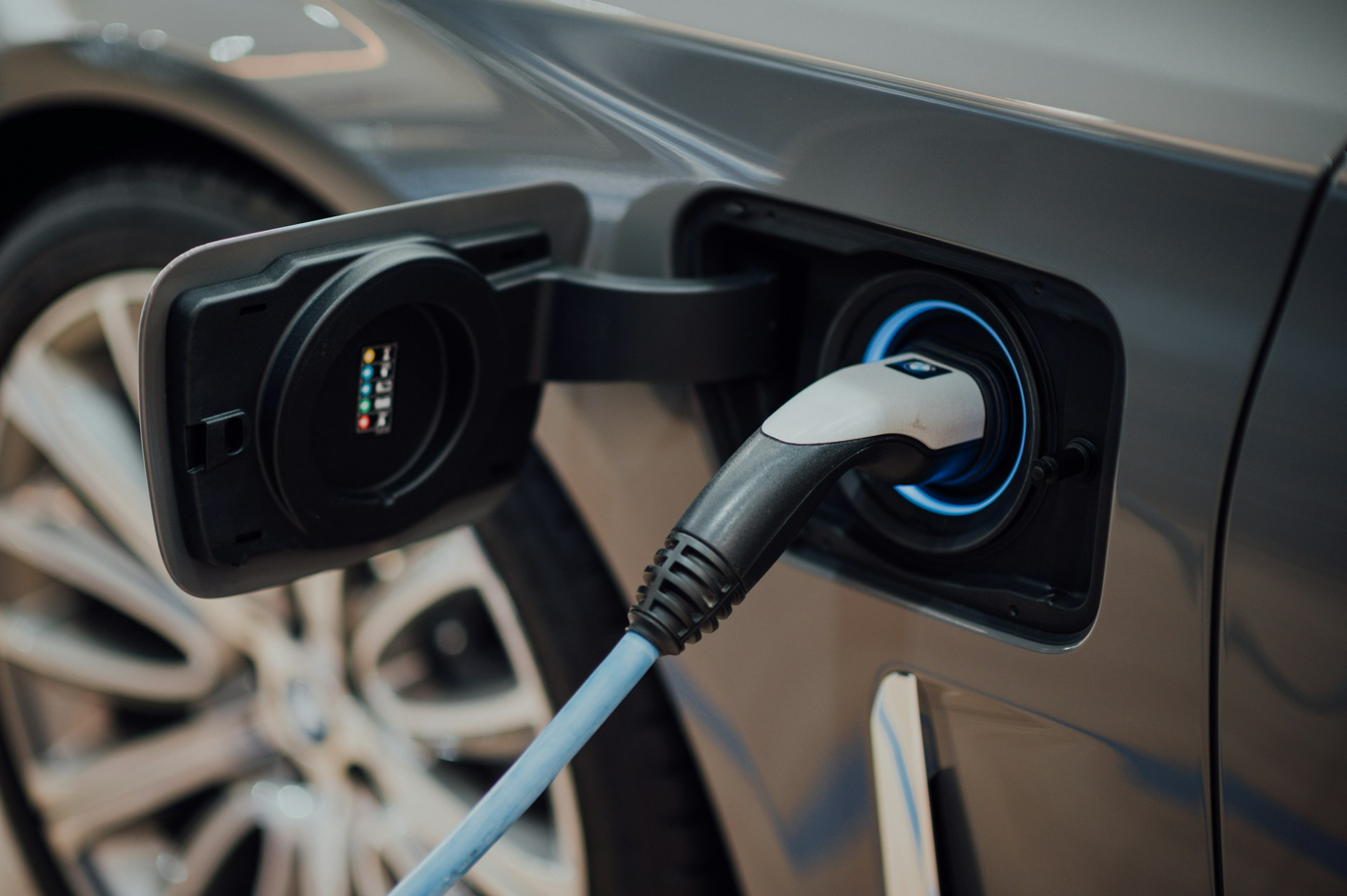
The project has been delivered with Delta Charge and combines high-power charging, modular battery storage, existing rooftop solar PV, and an AI-based energy management system. The installation is designed to support the brewery’s growing electric truck fleet while reducing dependence on grid imports during charging peaks.
The depot includes two 150kW ceiling-mounted fast-charging stations. These are supplied through a modular battery storage system that starts at 125kW/257kWh and can be expanded to 375kW/771kWh as the fleet grows. The system is integrated with the site’s existing 380kWp photovoltaic array.
Delta Charge’s energy management system coordinates solar generation, battery charging, truck charging, and grid interaction. The operating principle is to use on-site solar where available, buffer demand through battery storage, and reduce peak-load exposure from high-power fleet charging.
Depot electrification has become a site power challenge as much as a transport challenge. Electric trucks require substantial charging power, but commercial and industrial sites are often constrained by connection capacity, tariff structures, vehicle schedules, and the timing of loading operations. Batteries can smooth demand where charging loads are concentrated into limited windows.
Fleet charging design requires more than a count of plugs. Vehicle dwell times, route schedules, charger power, site electrical capacity, distribution board design, battery sizing, solar output, and load management all have to be aligned. A poorly sized system can create avoidable peak demand, underused equipment, or operational limits on vehicle availability.
Battery-enabled charging offers one way to decouple vehicle charging demand from instantaneous grid capacity. The on-site battery can charge gradually from solar or the grid, then discharge into trucks when high charging power is required. That approach can reduce grid-upgrade requirements, although it still requires careful connection assessment, protection design, and operating controls.
The Weihenstephan installation also places fleet electrification inside wider industrial decarbonisation. A site with on-site generation, flexible storage, and managed load can treat charging as part of an integrated energy system rather than a standalone transport installation.
Public rapid charging and private depot charging are developing along different infrastructure paths. In the Midlands, EZO’s £176m rapid charging contract is focused on public infrastructure across local authorities, while the Weihenstephan project is centred on fleet operations, site load, and behind-the-meter energy management.
Both models place pressure on electrical design and network planning. Public rapid charging requires grid capacity in accessible locations, payment systems, reliability, and maintenance. Depot charging requires integration with fleet logistics, site load, renewable generation, and often a tighter connection constraint. In both cases, storage can become an enabling technology where instantaneous power demand exceeds comfortable site capacity.
The project is also relevant to food, drink, and manufacturing sites with regular distribution fleets. Many have large roof areas, predictable loading operations, and energy-intensive processes. Combining rooftop PV, batteries, and scheduled vehicle charging can improve utilisation of electrical infrastructure, although the commercial case depends on fleet duty cycles, energy prices, network tariffs, and equipment availability.
The next phase for industrial fleet charging will be shaped by repeatable engineering standards. Depot operators will need consistent approaches to charger placement, cable routing, battery enclosures, fire safety, metering, controls, and maintenance access. As fleets scale, charging depots will increasingly resemble managed energy assets as much as transport facilities.
Further information is available through Bavarian State Brewery Weihenstephan.

