IN Brief:
- Valeo and Nissan have signed a European contract covering bidirectional V2G charging stations and smart unidirectional AC charging.
- The rollout begins in the UK and supports Nissan’s vehicle-to-grid roadmap for compatible electric vehicles.
- The agreement brings V2G closer to routine installation, grid interaction, and domestic energy management.
Valeo and Nissan have signed a European contract to commercialise smart EV charging technology, including bidirectional vehicle-to-grid charging stations for compatible Nissan electric vehicles.
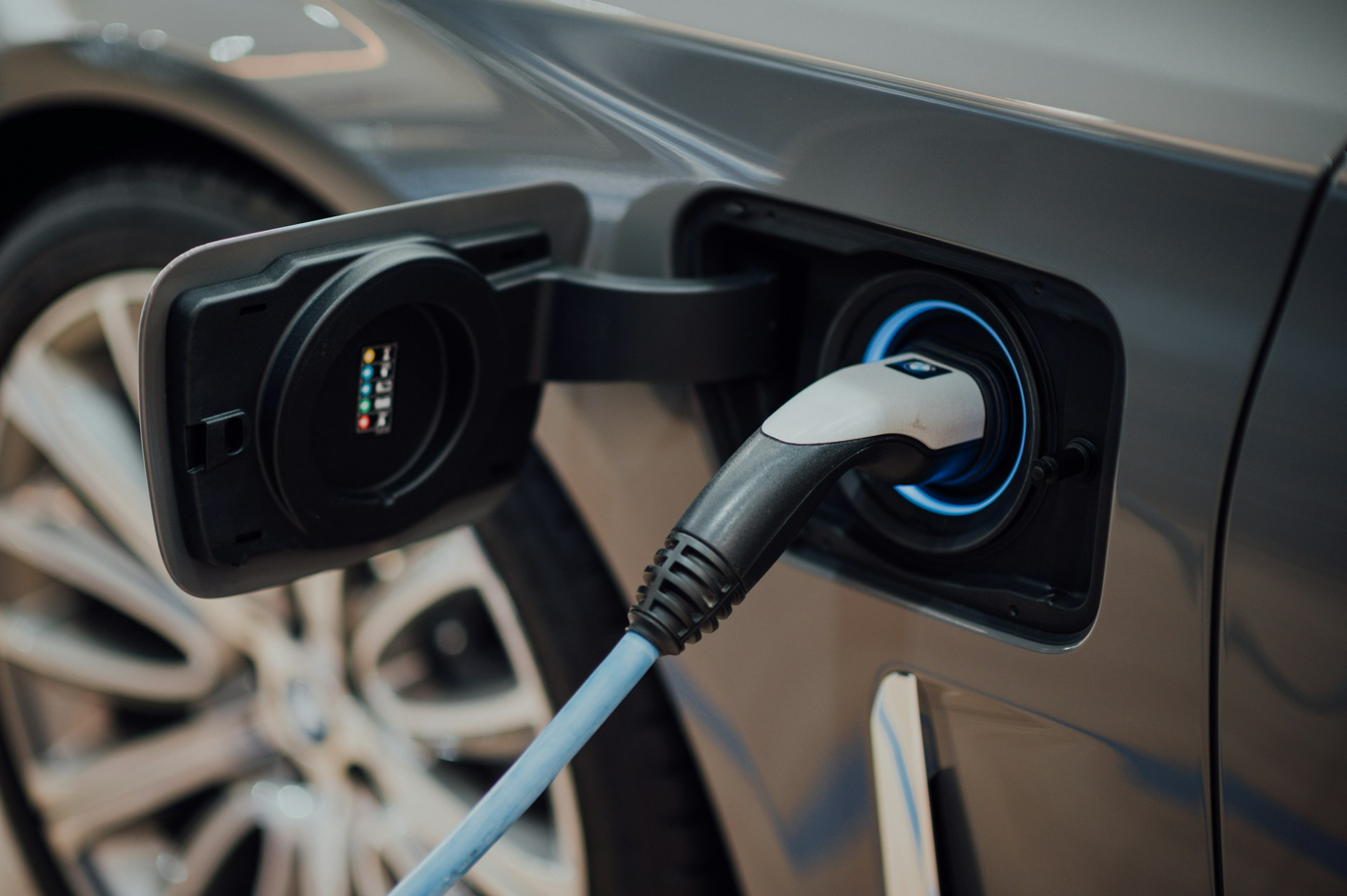
The agreement covers two connected charging products. The first is a smart unidirectional AC charging station compliant with the UK Electric Vehicles Smart Charge Points standard. The second is an advanced bidirectional AC charging station designed to support Nissan’s vehicle-to-everything energy services. Deployment will begin in the UK before expanding into other European markets.
Bidirectional charging allows an electric vehicle battery to export electricity back to a home, building, or grid when operating conditions support it. In a domestic installation, that can allow stored electricity to be used during higher-price periods, increase self-consumption from rooftop solar, or provide backup support where systems are configured for it. At system level, aggregated EV batteries can help shift demand and supply flexibility during periods of grid stress.
The contract moves vehicle-to-grid technology closer to regular product deployment after years of trials and limited commercial schemes. V2G requires more than a capable wallbox. The installation has to align vehicle compatibility, bidirectional power electronics, communications, metering, safety functions, software control, user permissions, export rules, and distribution-network requirements.
UK deployment gives the technology an established smart-charging framework, but also a demanding connection environment. Domestic and small commercial installations must work within local network constraints, including export limits, notification requirements, and approval processes where applicable. Bidirectional charging turns the EV charge point into a two-way electrical asset, so installation quality and grid coordination become more complex than for conventional charging.
Practical delivery will depend heavily on installer workflow. Survey data, cable routes, earthing arrangements, protection, consumer unit capacity, metering, communications, parking layout, and DNO documentation all become part of the process. Digital systems designed to support V2G installation delivery are already emerging because bidirectional chargers add more verification, evidence capture, and grid-connection coordination than standard EV charge points.
The inclusion of smart unidirectional charging is also significant. Managed one-way charging can deliver substantial near-term system value by shifting demand away from peak periods and toward cheaper or lower-carbon electricity. It is easier to deploy than V2G because it does not export power through the connection and is less dependent on bidirectional vehicle support. For many users, V1G will remain the first step into grid-aware charging.
The two approaches are likely to develop in parallel. V1G can reduce charging costs and lower pressure on local networks by controlling when vehicles draw electricity. V2G adds export capability where vehicles are parked long enough, battery capacity is available, and tariffs or flexibility markets reward discharge. Homes, fleets, workplaces, and multi-vehicle sites will each have different operational cases.
Battery warranty and user control will influence adoption. EV owners need clear information on cycling, degradation, minimum state of charge, override settings, and financial return. A technically capable V2G system can lose appeal if drivers fear that grid export will reduce range availability or accelerate battery wear. Control platforms must give users predictable settings and ensure the vehicle is ready when needed.
Distribution networks will also have to accommodate new export behaviour. Aggregated EVs could help reduce peaks, absorb renewable output, and provide local flexibility. They could also introduce new reverse power flows on low-voltage networks that were not designed around widespread bidirectional devices. Voltage management, phase balance, protection coordination, and network monitoring will become more important as deployments grow.
The commercial structure remains as important as the hardware. Tariffs, aggregation contracts, metering rules, flexibility markets, and settlement arrangements will determine whether bidirectional charging delivers reliable value. Domestic users are unlikely to manage complex export decisions manually, so automated control will need to balance price, grid conditions, user preferences, and battery health.
Valeo and Nissan’s agreement gives V2G another route toward mainstream availability. Its success will depend on whether vehicles, chargers, installations, tariffs, and network rules can operate as one system. Bidirectional charging is becoming an electrical product category with practical installation consequences, not only a demonstration of what EV batteries might one day do.