IN Brief:
- SSEN Transmission has launched a supply chain framework worth up to £7.4bn over eight years.
- The framework supports onshore transmission works across civils, buildings, overhead lines, and underground cable installation.
- A dedicated regional civils lot is intended to improve access for local suppliers and SMEs.
SSEN Transmission has launched a supply chain framework worth up to £7.4bn over eight years, creating a major procurement route for contractors involved in Scotland’s electricity transmission buildout.
The framework supports SSEN Transmission’s £29bn investment programme to upgrade the electricity transmission network across the north of Scotland. It covers a broad range of onshore transmission works, including civils, building construction, overhead line activity, and underground cable installation.
The structure is split across six lots. Lot 1 covers regional civils projects up to £10m, including enabling works and access infrastructure. Lot 2 covers larger national civils packages. Lot 3 covers buildings and infrastructure, Lot 4 covers overhead line pole construction, Lot 5 covers overhead line tower construction, and Lot 6 covers underground cable construction.
Lot 1 is split into regional zones, creating more accessible entry points for small and medium-sized enterprises and local suppliers across the north of Scotland. Typical projects include access tracks, foundations, drainage, public road improvements, peatland restoration, and environmental mitigation.
The procurement route reflects the scale of physical delivery now required across Scotland’s transmission network. Offshore wind, onshore renewables, storage, interconnectors, and north-south power flows are increasing pressure on existing high-voltage infrastructure. New connections and reinforcements require substations, overhead lines, underground cables, access works, foundations, compounds, buildings, and environmental delivery across challenging terrain.
Frameworks of this scale are becoming more important because transmission delivery is constrained by supply-chain capacity as well as by capital approval. Contractors need visibility of future work before investing in people, equipment, depots, specialist training, design capability, and regional delivery teams. Network operators need stable supplier relationships because the same skills are being sought across Britain and Europe.
Scotland’s grid programme is already being shaped by early construction funding, supply-chain preparation, and workforce planning. Ofgem has released early funding for selected Scottish grid projects, allowing defined activities such as equipment procurement, land rights, design, surveys, and enabling works to proceed before final project assessment. SSEN Transmission has also proposed a £150m training facility, reflecting the workforce requirement behind the capital programme.
The new framework sits directly in that delivery chain. Transmission policy targets only become practical when civil engineering, overhead line construction, cable installation, substation buildings, access routes, environmental works, and commissioning resources are available at the right time. Delays in any of those areas can affect renewable connections, reinforcement schedules, outage planning, and system capacity.
Local supplier access also has a strategic role. Large national and international contractors are essential for complex transmission projects, but local businesses can deliver enabling works, roads, drainage, groundworks, environmental mitigation, logistics, and regional support. Regional lots can reduce barriers to entry, improve local economic benefit, and strengthen resilience where projects are spread across remote or rural locations.
Transmission construction differs from conventional infrastructure delivery in several ways. Work often takes place across long linear routes, sensitive landscapes, private land, peatland areas, forestry, agricultural access, and remote substations. Site access, community engagement, environmental management, weather, and outage sequencing can be as important as core electrical works.
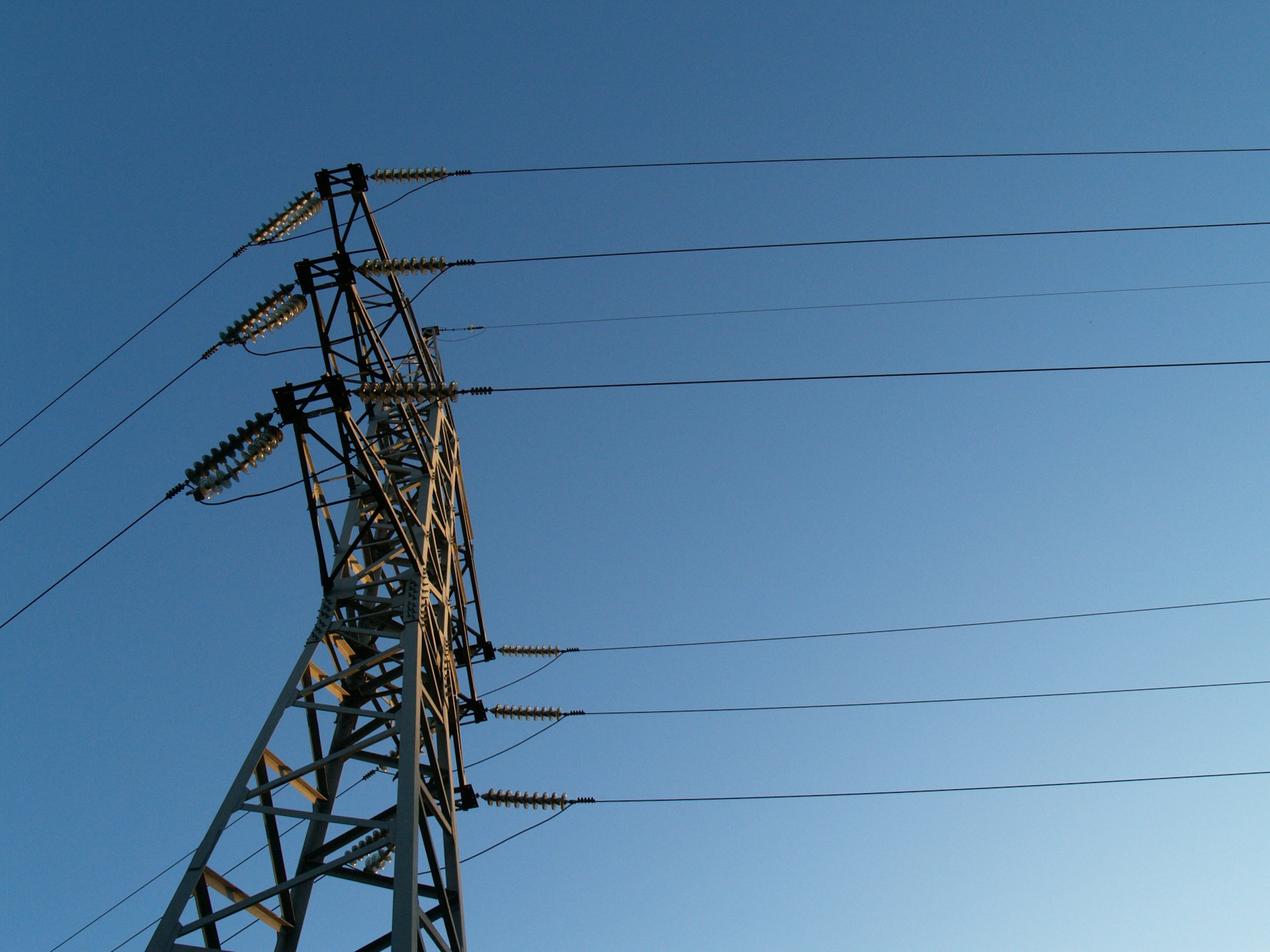
Overhead line construction requires specific design, lifting, foundation, access, conductor, and safety expertise. Underground cables bring challenges around trenching, joint bays, thermal performance, route consenting, reinstatement, and substation interfaces. Substation buildings and infrastructure must support equipment installation, operation, protection, control, communications, fire safety, drainage, security, and long-term maintainability.
Suppliers can review opportunities through SSEN Transmission’s supply chain information, with tender access open through the procurement portal. The scope is likely to attract both established transmission contractors and businesses looking to enter high-voltage infrastructure delivery through regional civils and enabling works.
The £7.4bn framework shows the contractor scale now attached to Scotland’s grid expansion. Renewable generation in the north must be moved to demand centres, while local communities, landowners, and businesses experience the physical work required to build that pathway. Delivery will depend on materials, access, planning, skills, and regional coordination as much as on policy targets.