IN Brief:
- Utilligence has secured the 132kV substation and associated electrical infrastructure package for Longpasture solar farm.
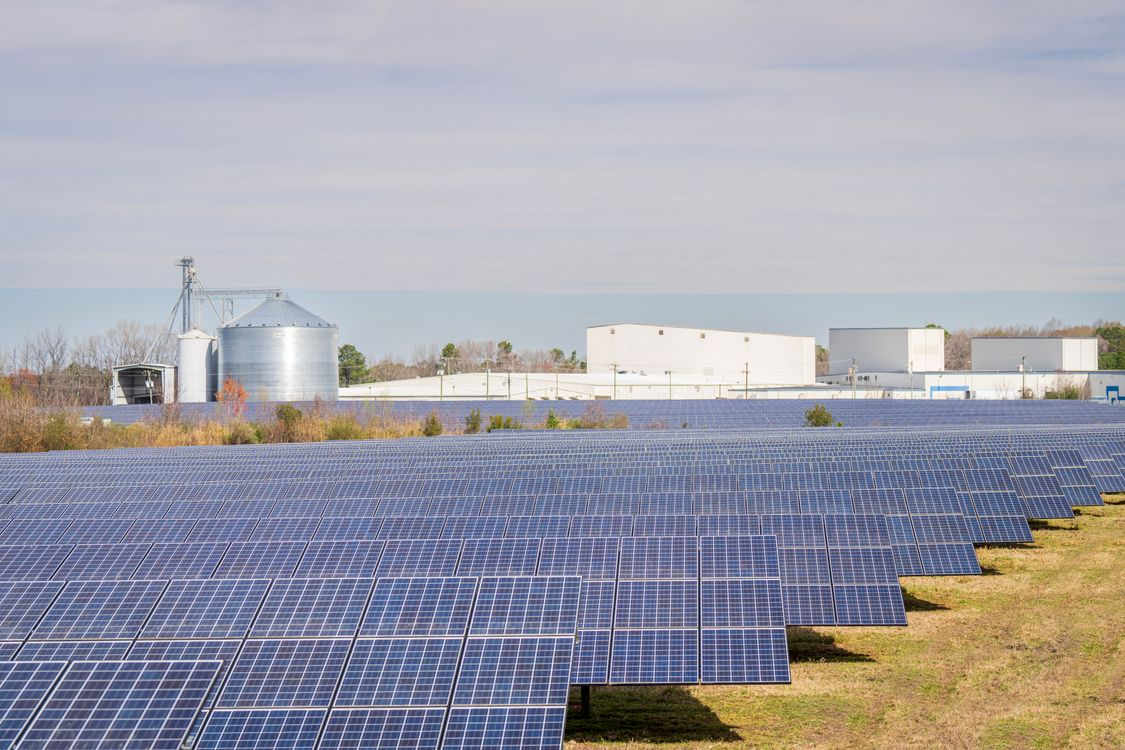
- The County Durham project includes a 49.9MW AC solar scheme and 39.7MW battery storage element.
- The scope covers DNO adoption infrastructure, a 132/33kV customer substation, earthing, civils, control-room works, and backup supply.
Utilligence has secured a contract with Enviromena to design, construct, and commission new 132kV electrical infrastructure for the Longpasture solar farm near Darlington, County Durham.
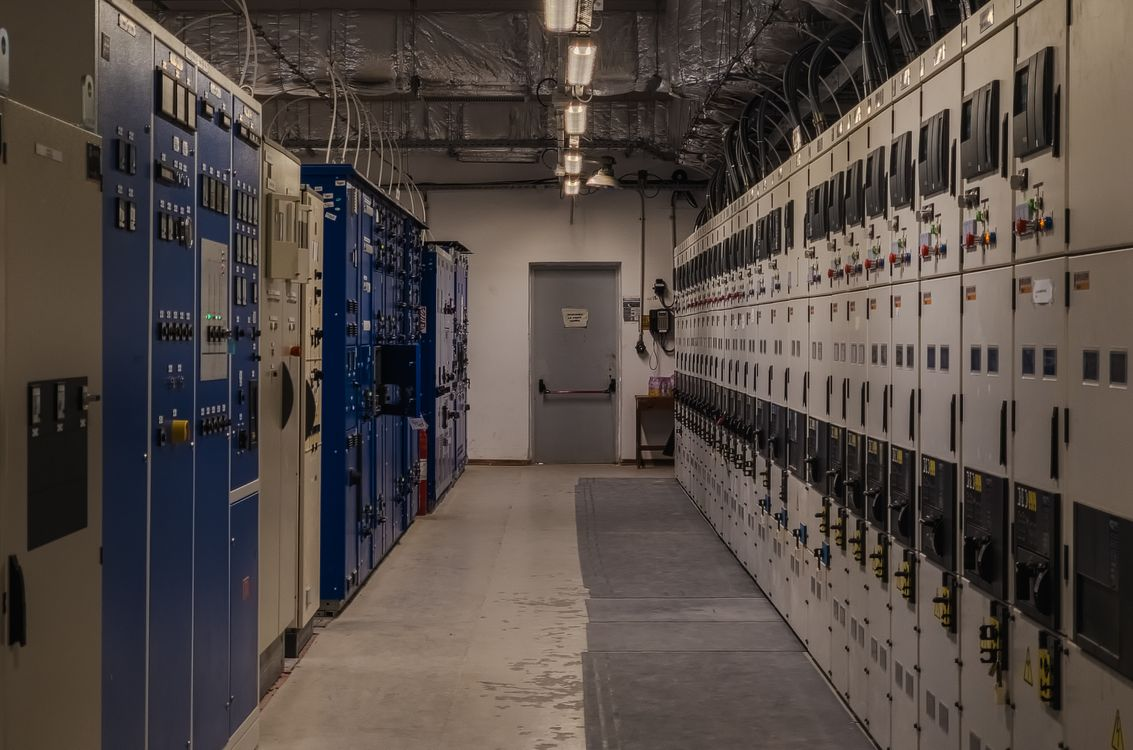
The package includes a new 132kV DNO substation built to G81 standards for adoption by Northern Powergrid, alongside a 132/33kV customer substation, transformer provision, a fully equipped 33kV customer switch room, associated cabling, earthing, compound construction, and a control room. An 11kV backup supply system is also included within the scope.
Longpasture is being developed as a 49.9MW AC solar project with a 39.7MW battery energy storage element. Enviromena acquired the scheme in August 2025 and expects construction to begin in summer 2026, with energisation forecast for Q4 2027. The project has a 132kV connection voltage and secured a government-backed Contract for Difference in allocation round 6.
With the grid infrastructure package now appointed, the project moves further into the delivery phase where connection design, network adoption requirements, and commissioning discipline become central to the programme. Utility-scale solar projects can move through planning and commercial structuring, but energisation depends on the more exacting work of substations, protection systems, earthing, transformers, switchgear, and network compliance.
The DNO adoption element brings a defined technical and procedural standard. Assets designed for adoption by a distribution network operator have to meet requirements covering civil design, electrical specification, protection arrangements, documentation, testing, commissioning, access, and long-term maintainability. Any gaps in those areas can create delay late in the programme, when rework is usually expensive and energisation windows become harder to protect.
At the customer side of the connection, the 132/33kV substation has to provide a reliable interface between the solar and storage plant and the higher-voltage network. Transformer performance, switchgear configuration, protection coordination, metering, auxiliary supplies, communications, and control systems all have to work across multiple operating modes. The battery storage element adds further complexity because the site can generate, store, import, and export under different network and market conditions.
Earthing and compound design also carry particular weight at this voltage level. Solar generation and battery systems introduce power electronics into the connection architecture, while the 132kV interface has to manage fault levels, touch voltages, step voltages, protection clearance, and safe access. Civil layout and electrical design cannot be treated separately when substations are being prepared for network adoption and long-term operation.
Longpasture reflects a broader change in UK distribution connection work, where larger solar and battery projects are increasingly tied into primary and higher-voltage network planning. The boundary between generation development and network reinforcement is becoming less distinct, especially where projects require new 132kV assets, DNO adoption infrastructure, and coordination with the host network over several years.
That operating environment can already be seen in MW Dispatch moving into live operation on the UK grid, where distribution-connected generation and battery assets are being coordinated to manage transmission constraints. Longpasture is a separate connection project, but it forms part of the same structural movement: distribution-connected assets are becoming more significant to whole-system operation.
Grid connection reform has also increased the value of projects with clearer readiness, stronger delivery milestones, and credible route-to-energisation plans. Schemes that combine revenue support, defined construction programmes, and advanced grid works are better placed than speculative projects still waiting for connection certainty. Longpasture’s CfD status and forecast connection date provide a clearer framework, while delivery now depends on detailed electrical work being completed to the required standard.
The project’s capacity figures will remain important, but the decisive work now sits in the electrical interface. Substations, transformers, earthing systems, protection settings, cabling, control systems, and adoption documentation will determine whether the generation and storage assets can move from development pipeline to energised infrastructure.