
IN Brief:
- Uniper and Respect Energy have signed six-year PPAs covering four solar projects in Poland.
- The agreements cover 219MWp of PV capacity, electricity output, and Guarantees of Origin.
- The deal reflects the growing role of contracted offtake in Poland’s renewable power build-out.
Uniper and Respect Energy have signed six-year power purchase agreements covering electricity and Guarantees of Origin from four new solar projects in Poland.
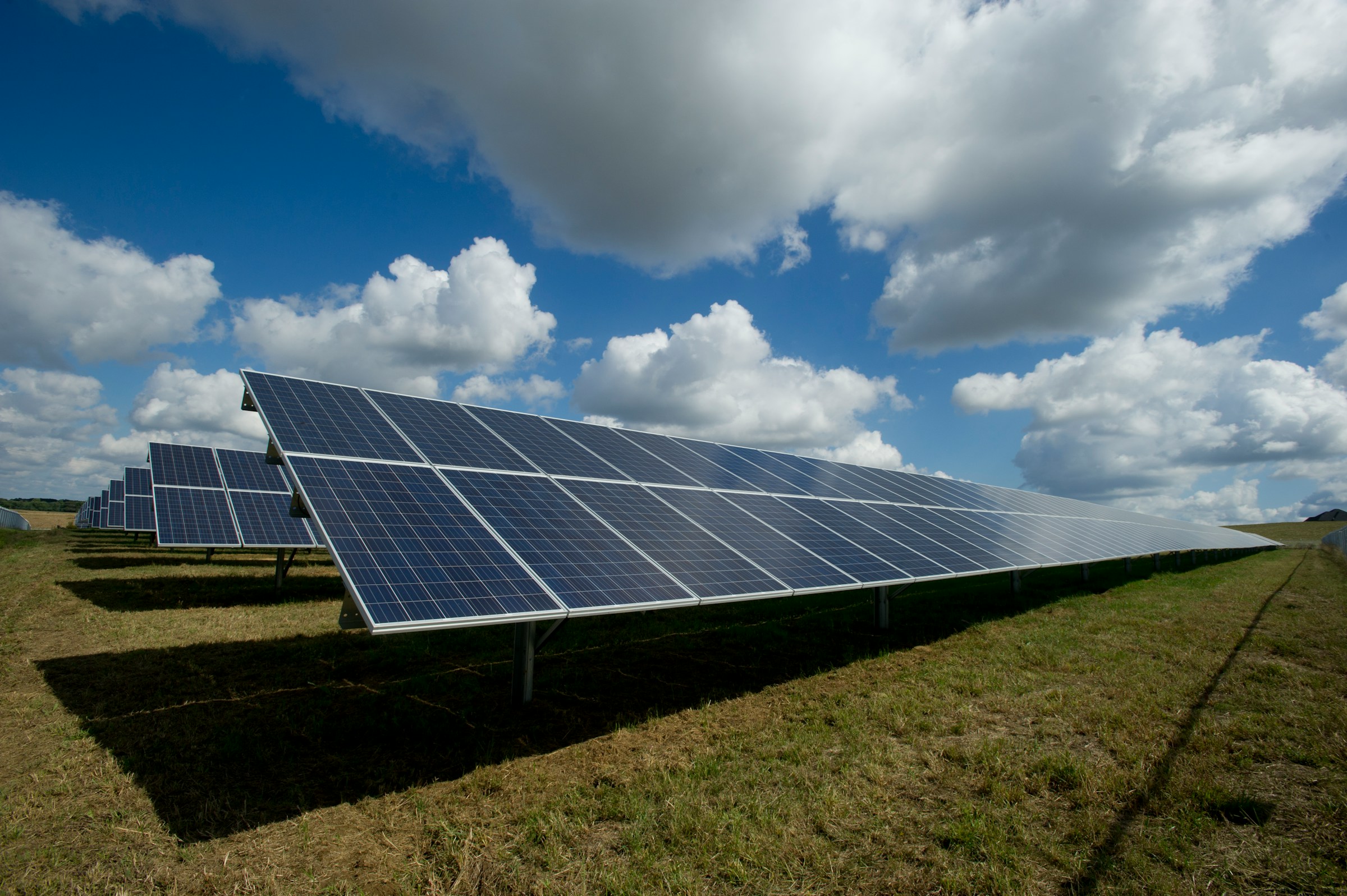
The agreements cover the Pakość, Kłodawa, Domanowo, and Krotoszyce PV projects, which have a combined capacity of 219MWp. Electricity delivery is expected to begin in 2028, placing the contracts within the next phase of Poland’s renewable generation build-out.
Respect Energy will purchase the electricity generated by the projects, while Uniper secures a contracted route to market for part of its renewable power portfolio. The agreements follow wider renewables activity by Uniper, including investment decisions covering additional solar projects in Poland and the UK.
Poland has become an increasingly important market for European solar development. Coal still plays a large role in the country’s electricity mix, but solar deployment has accelerated as project economics, corporate demand, energy security concerns, and EU climate policy have shifted the investment environment.
Power purchase agreements are becoming a central commercial mechanism within that transition. For generators, they provide a defined revenue route that can improve bankability and reduce exposure to merchant price volatility. For buyers, they provide renewable electricity and associated certificates linked to identifiable generation assets.
The inclusion of Guarantees of Origin strengthens the commercial structure of the deal. Large industrial and commercial electricity users increasingly need auditable renewable procurement rather than broad claims based on general grid supply. Contracts tied to specific assets give buyers a clearer route for emissions accounting and sustainability reporting.
Poland’s grid will have to absorb rising solar output alongside wind, storage, interconnection, and the gradual transition away from fossil-heavy baseload generation. Solar can be deployed faster than major transmission infrastructure, which makes grid access, curtailment management, and local network capacity decisive for project value.
Across Europe, policy support is moving towards the infrastructure needed to integrate variable renewable generation. The EU Innovation Fund’s support for grid and storage projects reflects the same direction: new generation capacity requires flexibility, storage, digital control, and reinforced networks if it is to deliver dependable system value.
Solar PPAs also sit within a wider change in power procurement. Industrial users want lower-carbon electricity, developers need revenue certainty, and utilities are reshaping portfolios around renewable generation, flexible assets, and long-term offtake. The commercial contract is becoming part of the physical delivery chain because financing and grid readiness are closely connected.
For Poland, the challenge is not only to add solar capacity, but to integrate that capacity into a system still influenced by legacy thermal generation patterns. Distribution operators and transmission planners will need to manage sharper midday output, regional congestion, balancing requirements, and the role of storage in smoothing renewable flows.
The Uniper and Respect Energy agreements add another structured offtake route to Poland’s solar market. As more renewable projects move towards delivery, the strength of the market will depend on whether commercial contracts, network capacity, and operational flexibility develop at the same pace.

