IN Brief:
- Statkraft has signed a long-term optimisation and trading agreement for the 128MW Penn BESS.
- The distribution-connected project near Wolverhampton is being developed by Pulse Clean Energy.
- The agreement includes a long-term income guarantee to support project financing.
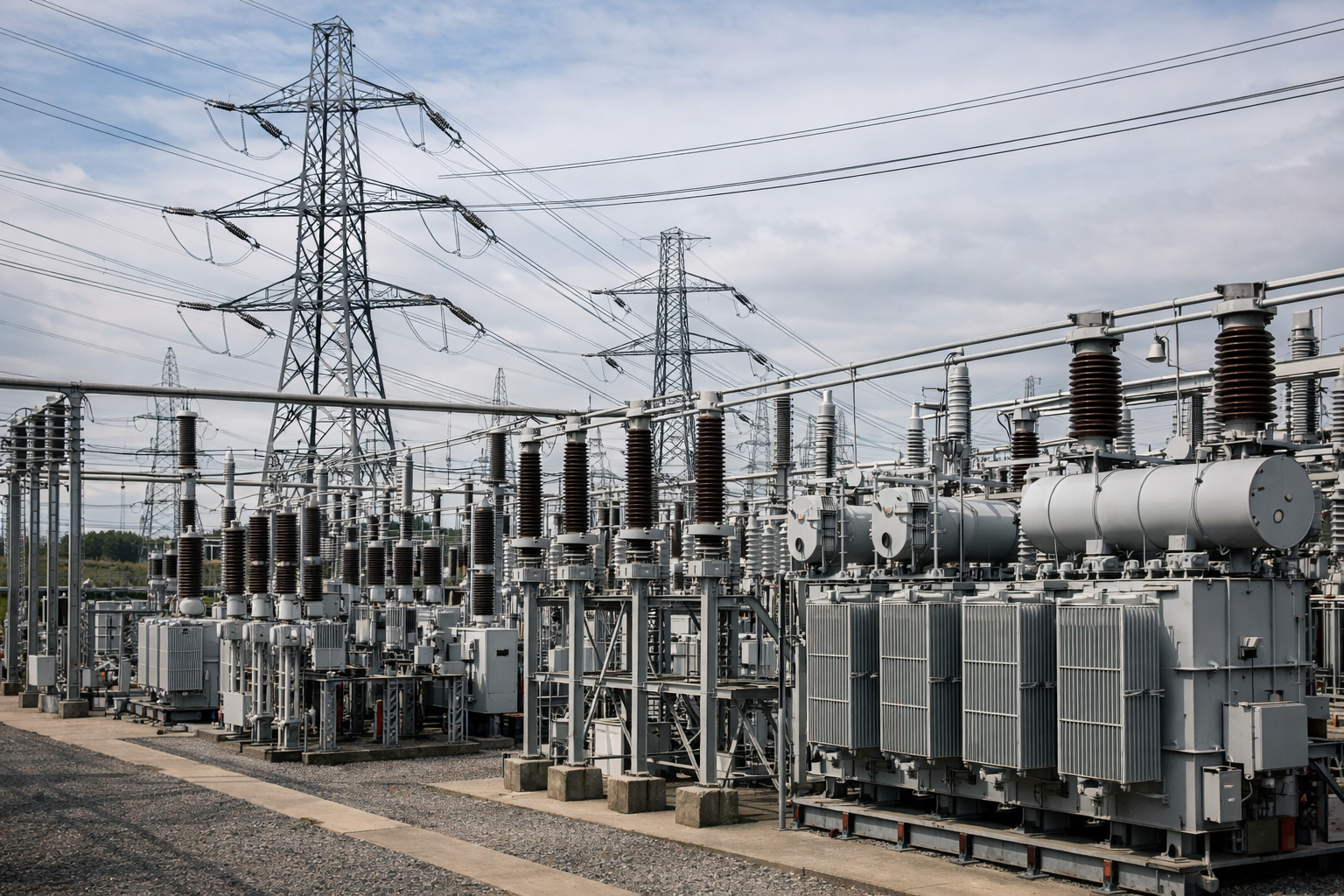
Statkraft has signed a long-term agreement to provide optimisation and trading services for Pulse Clean Energy’s 128MW Penn battery energy storage system near Wolverhampton.
The distribution-connected project is expected to enter commercial operation in early 2028. As part of the agreement, Statkraft will provide a long-term income guarantee designed to support project financing.
The Penn BESS has been developed by Pulse Clean Energy, an energy storage and grid stability specialist backed by the Investment Management Corporation of Ontario. Once operational, the project is expected to add flexible capacity to the distribution network and support renewable generation integration.
The agreement expands Statkraft’s UK portfolio of flexible assets to 4.3GW. The company’s optimisation work covers battery operation across wholesale markets, intraday trading, ancillary services, balancing, and other flexibility revenue opportunities where market access and technical capability allow.
Battery storage financing is increasingly being built around defined route-to-market arrangements. Early UK projects often relied heavily on frequency-response revenues, but the market has become more layered as installed storage capacity has grown and ancillary service revenues have evolved.
Assets now require strategies that combine day-ahead spreads, intraday volatility, balancing mechanism participation, reserve products, constraint management, and longer-term contracted structures. A long-term income guarantee can help convert a technically viable battery into a financeable asset by giving investors clearer revenue visibility across changing market conditions.
Distribution-connected batteries add a further layer of operational detail. They can provide system-level flexibility, but they must also operate within local network constraints, import and export limits, protection settings, metering arrangements, and distribution operator requirements. Dispatch decisions have to balance revenue opportunities against battery degradation, grid limits, availability obligations, and long-term performance.
UK storage deployment has continued to broaden across project sizes, ownership models, and grid positions, with the energy storage project pipeline increasingly shaped by finance, planning, optimisation, fire safety, and grid access rather than battery hardware alone.
Specialist traders now play a larger role in storage delivery. Battery owners need market access, forecasting, control systems, real-time dispatch capability, compliance support, and experience across multiple revenue streams. Optimisers need assets that can respond quickly, operate reliably, and remain available when system conditions create value.
Flexibility demand is rising as renewable penetration increases. Wind and solar output can move sharply across short periods, while electricity demand is becoming more variable as transport, heating, and industrial loads electrify. Batteries can shift power, provide fast response, reduce curtailment, and support balancing, but their value depends on how effectively they are controlled.
The UK market is also moving towards larger and more technically scrutinised storage projects. Planning, fire safety, cybersecurity, noise, community engagement, grid connection capacity, and long-duration support mechanisms are all shaping the development pipeline. Distribution-connected assets remain important, but the commercial model around them is becoming more sophisticated.
Penn’s expected 2028 commercial operation date places it in a storage market likely to be more competitive, more digital, and more dependent on co-optimisation than the first wave of UK BESS projects. The agreement positions the battery as a flexible grid asset whose value will depend on control strategy, market access, and reliable operation as much as installed capacity.