IN Brief:
- The commissioned second phase comprises 30,600 modules, rated at 19.2 MWp and 15.8 MWac.
- The two operational solar phases total 105.7 MWp and 90.4 MWac across 171,600 modules.
- RWE is constructing a 75 MW/150 MWh battery that will share the solar project’s grid connection and is targeted for spring 2027.
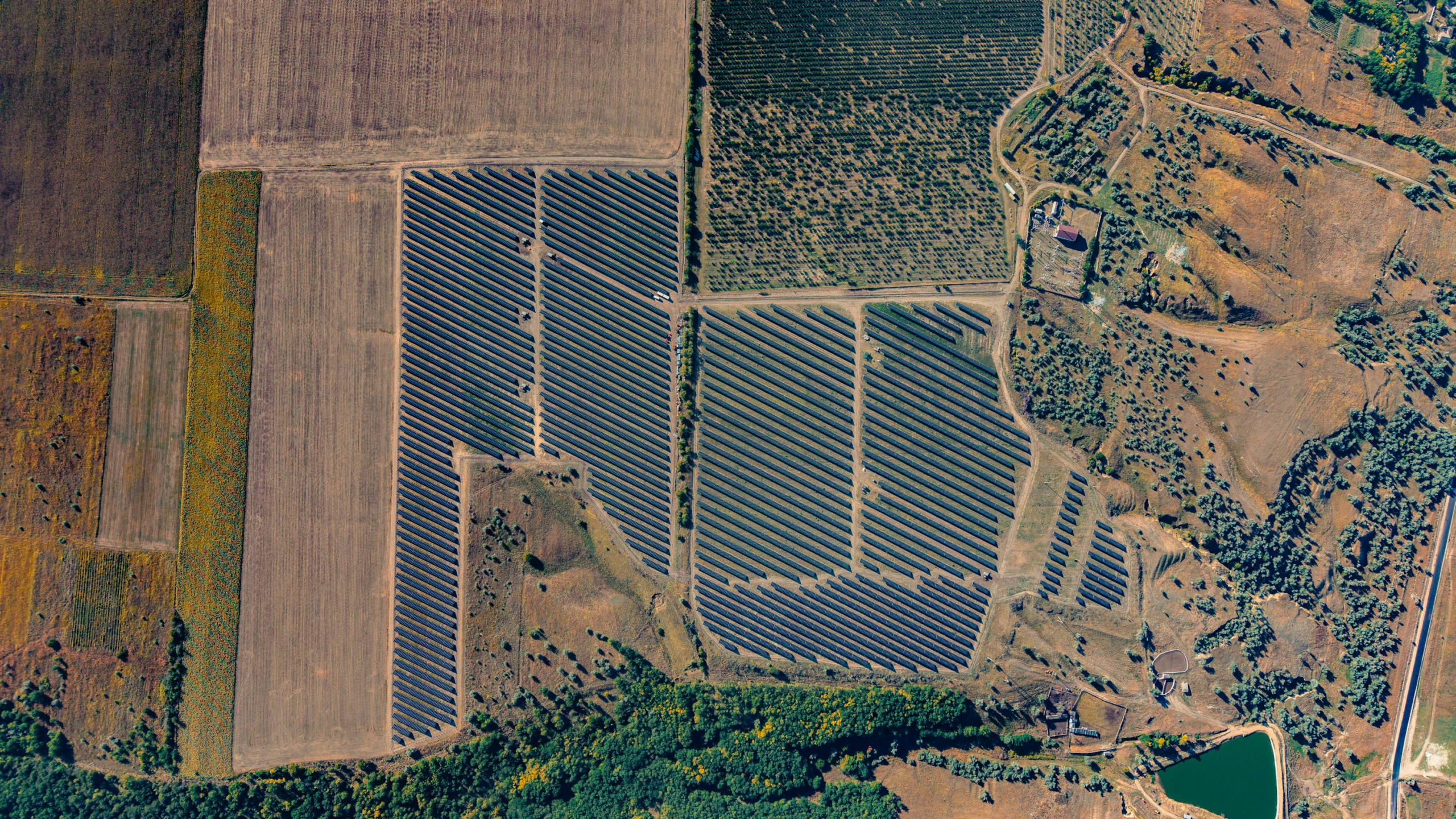
RWE has commissioned a further 19.2 MWp of photovoltaic generating capacity alongside Germany's A44n motorway, completing the second phase of a solar development on restored land from the Garzweiler lignite mine. The new installation near Jüchen entered operation after less than six months of construction, lifting the combined solar capacity along the motorway to 105.7 MWp.
The completed development now has 171,600 photovoltaic modules and an aggregate alternating-current capacity of 90.4 MWac. RWE estimates that its annual electricity production is equivalent to the consumption of approximately 34,000 households. That figure is a generation-equivalence estimate, rather than a claim that the panels are directly connected to individual homes.
The latest phase adds 30,600 modules, rated at 19.2 MWp and 15.8 MWac. The first phase, operational since late 2025, accounts for 141,000 modules and capacity of 86.5 MWp and 74.6 MWac. The figures identify a newly commissioned increment rather than a proposal to construct capacity already included in the previously operating development.
The difference between the peak and alternating-current ratings reflects the design of photovoltaic power plants. Module capacity in MWp is measured under standard test conditions, while the AC rating relates to the equipment that converts direct current into electricity suitable for export. Actual production changes with solar irradiance, module temperature and availability. During especially favourable solar conditions, inverters or the export connection may limit output below the theoretical combined module rating.
The expansion occupies recultivated mining land between Bedburg and Jüchen. The restoration of former extraction sites provides locations for generating infrastructure, although design and construction still have to accommodate the ground conditions, access routes and the electrical layout. RWE has not disclosed the foundation specification or detailed cable routing for the completed second phase.
A second element of the development is under construction nearby: a battery energy storage installation rated at 75 MW and around 150 MWh. RWE expects it to enter operation in spring 2027. At its nominal power rating, 150 MWh corresponds to two hours of discharge before operational limits and conversion losses are considered. The battery should therefore not be described as having entered service alongside the new solar array.
RWE says the storage installation will use the same grid connection as the neighbouring photovoltaic project. A shared connection offers an opportunity to use electrical infrastructure during periods when the solar plant is not exporting its maximum output. The benefit depends on the approved connection configuration, available capacity and the operating rules that govern imports and exports. The battery cannot simply add its full discharge rating to unrestricted solar output if that would breach the network limit.
Solar generation and battery storage require different electrical control functions. Photovoltaic inverters convert variable module output into alternating current, whereas the battery's bidirectional power conversion equipment manages charging and discharging. A coordinating control system may schedule storage dispatch according to generation, electricity prices and network requirements, while protection and metering arrangements ensure the individual assets operate correctly at their common interface.
The battery will be capable of storing electrical energy for later delivery, provided its state of charge and the connection arrangements allow it. RWE also intends to use the installation for balancing services. The company's announcement does not specify whether the battery will charge exclusively from the solar arrays, how import and export rights will be allocated, or which balancing products it will seek to provide. Those points cannot be assumed from the shared connection alone.
Commissioning of the battery will require testing its conversion equipment, controls, transformers and protection systems in conjunction with the existing site infrastructure. Because solar output varies throughout the day, the combined plant will also need a control strategy that respects network constraints under changing generation and storage conditions. The planned spring 2027 start remains separate from the solar commissioning completed this October.
The wider site illustrates a gradual conversion of a former coal-mining region into an area hosting several forms of renewable electricity infrastructure. RWE is also constructing the Bedburg 3 wind farm nearby, with approximately 60 MW of planned capacity, and reports around 600 MW of solar and wind developments either operating or under construction across the Rhineland mining region. These are wider portfolio figures, not additional capacity included within the A44n solar rating.
The completed second solar phase provides a verifiable increase in electricity generation capacity now available for dispatch whenever conditions permit. Its engineering and commercial profile will change again once the storage asset is commissioned, because the site will then combine weather-dependent production with controllable charging and discharging behind an associated grid connection.
All 105.7 MWp of A44n solar capacity is operational, while the 75 MW/150 MWh battery is still under construction for a planned spring 2027 start. Completion of its electrical installation and commissioning will determine when RWE can use the shared connection for both generation and storage.